
Trees
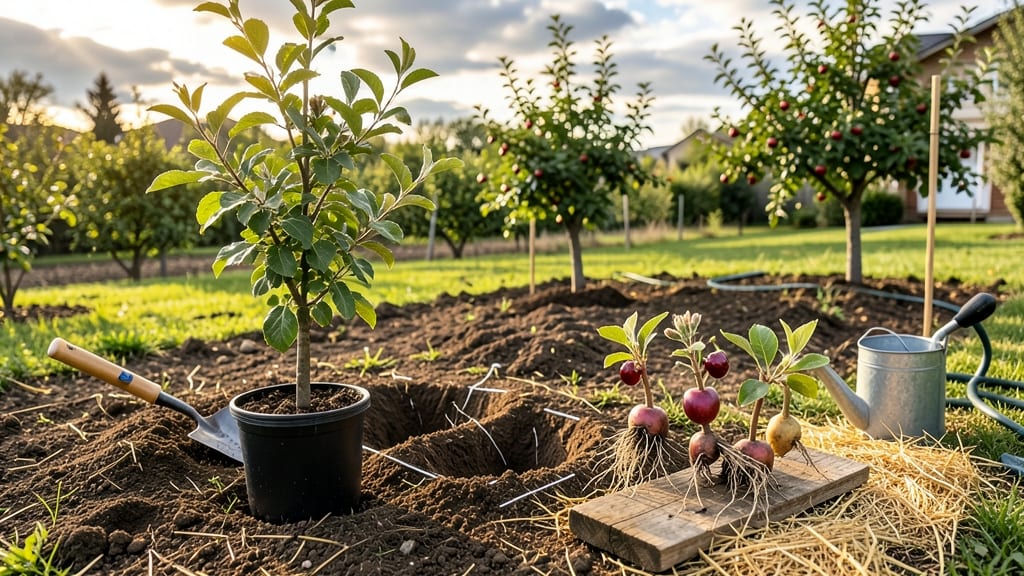
Timing your fruit tree planting in Wisconsin could mean the difference between a thriving orchard and a frozen disappointment—especially when you're working with 4a-6b zones and unpredictable frost patterns. The right window ensures your 🍎 sapling takes root before winter's harsh bite, setting the stage for years of harvests.
Most gardeners know spring and fall are ideal, but did you know Wisconsin's last frost typically hits around mid-May? That means late April to early June is your best bet for spring planting, while fall offers a second chance from September through October.
Getting this right isn't just about the calendar—it's about matching your tree's chill-hour needs with Wisconsin's climate.
Whether you're planting bare-root saplings or container-grown trees, the key is preparing your soil and protecting young roots from temperature swings. I'll walk you through exactly what to do, from soil amendments to winter mulching, so you can plant with confidence and watch your trees flourish.
Ready to grow fruit trees that thrive in Wisconsin's challenging conditions? Let's dive into the perfect planting schedule and care tips that will have you harvesting your first 🍎 in just a few years.
Wisconsin fruit tree planting timeline by hardiness Zone & chill requirements
Wisconsin spans USDA hardiness zones 3a to 5b, meaning your planting window and fruit tree choices depend heavily on where you live. Northern regions like Duluth (Zone 4a) face earlier frosts, while southern areas like Milwaukee (Zone 5b) enjoy longer growing seasons.
The key to success? Matching your tree’s chill-hour requirements to your local climate.
Most Wisconsin fruit trees need 400–1,000 chill hours (hours below 45°F) to produce fruit. Apples and cherries thrive in colder zones, while peaches and nectarines prefer milder winters. Planting at the wrong time—like too early in spring—can expose young roots to frost damage, while late fall planting risks winter desiccation.
🌱 Wisconsin’s frost-free season typically runs from mid-May to mid-October, but exact dates vary by region. For example, Madison’s last frost averages May 15, while Green Bay’s can linger until May 25. Use the National Weather Service’s frost maps or local extension offices to pinpoint your area’s risks.
Here’s how to align your planting with Wisconsin’s zones and chill needs:
| Zone | Best Planting Window | Chill Hours Needed | Top Tree Varieties | Avoid These Trees |
|---|---|---|---|---|
| 3a (North: Duluth) | Early May–Early June or Sept 1–Sept 15 | 800–1,000+ hours | Honeycrisp Apple, Montmorency Cherry, Hardy Pears | Peaches, Apricots, Low-Chill Plums |
| 4a (Central: Wausau) | Late April–Late May or Sept 15–Oct 1 | 600–800 hours | Jonathan Apple, Stella Cherry, Harrow Sweet Cherry | Peaches, Nectarines, Low-Chill Varieties |
| 4b (South-Central: Madison) | Late April–Early June or Sept 20–Oct 10 | 500–700 hours | Gala Apple, Tart Cherry, Asian Pear | Peaches, Apricots, Low-Chill Figs |
| 5a (Southeast: Janesville) | Early May–Early June or Oct 1–Oct 15 | 400–600 hours | Fuji Apple, Stella Cherry, European Plum | Peaches, Low-Chill Varieties |
| 5b (Southwest: Milwaukee) | Early May–Early June or Oct 10–Oct 20 | 300–500 hours | Honeycrisp Apple, Montmorency Cherry, Dwarf Peach | High-Chill Apples, Tart Cherries |
🌡️ Pro Tip: Use UW-Madison’s Extension chill-hour calculator to verify your local requirements.
Fall planting (September–early October) is ideal for bare-root trees because cooler soil temperatures reduce transplant shock. Spring planting (after last frost) works best for container-grown trees, giving roots time to establish before summer heat. In Zone 3a, prioritize early spring planting to avoid winter desiccation risks.
For chill-sensitive trees like peaches, consider microclimates—south-facing slopes or urban heat islands can add critical chill hours. For example, a dwarf peach tree in Milwaukee (Zone 5b) might thrive in a sunny, sheltered spot where winter temps drop slower than the surrounding area.
Always check the tree tag or nursery notes for exact chill-hour requirements. A Honeycrisp apple needs 800+ hours, while a Stella cherry only requires 500 hours.
Planting the wrong variety in your zone can lead to poor fruiting or no fruit at all—a costly mistake for Wisconsin gardeners.
After choosing the right tree, prepare your site by amending soil with compost and adding organic matter to improve drainage. Wisconsin’s clay-heavy soils can suffocate roots, so mix in sand or peat moss if needed. Water deeply after planting to encourage root growth before winter sets in.
🌿 Key Takeaway: Wisconsin’s hardiness zones and chill hours dictate your planting window and tree selection. Use local frost data, match chill requirements, and plant in early spring or fall for the best results.
Step-by-step guide to planting fruit trees in Wisconsin’s climate
Wisconsin’s cool climate and variable frost dates demand careful planning when planting fruit trees. Whether you’re transplanting bare-root saplings or container-grown trees, timing and soil prep are critical to survival.
Start by testing your soil’s pH (6.0–7.0 ideal) and amending it with compost or peat moss for better drainage and nutrient retention.
Choose a sunny location with at least 6–8 hours of sunlight daily, sheltered from strong winds that can stress young trees. Avoid low spots where cold air pools—this can delay root establishment and increase frost damage risk.
Mark your planting site at least 2 weeks before your chosen window to allow for final soil adjustments.
📋 Step-by-Step Planting Process for Wisconsin Fruit Trees
- 1. Dig the Hole: Twice as wide as the root ball but no deeper. Loosen the sides to encourage root spread.
- 2. Prepare the Tree: For bare-root trees, soak roots in water for 1–2 hours before planting. Remove container-grown trees from pots and tease apart roots if circling.
- 3. Position the Tree: Place the root flare (swollen base) 1–2 inches above soil level to prevent rot. Spread roots evenly in the hole.
- 4. Backfill & Water: Fill the hole halfway, then water deeply to settle soil. Complete backfilling, tamping gently to remove air pockets.
- 5. Mulch & Stake: Apply 3–4 inches of mulch (wood chips or straw) around the base, keeping it 6 inches from the trunk. Stake only if necessary to prevent wind damage.
Water your newly planted tree deeply immediately after planting and again every 7–10 days during the first growing season. Avoid overhead watering to prevent fungal diseases like apple scab or powdery mildew, which thrive in Wisconsin’s humid summers.
Instead, use a soaker hose or drip irrigation to deliver water directly to the roots.
Prune your fruit tree lightly at planting to remove any broken or crossing branches. Avoid heavy pruning, which can stress the tree. Apply a balanced fertilizer (10-10-10) in early spring to encourage root growth, but skip fertilizing in fall or winter when trees are dormant.
Wisconsin’s short growing season means timing is everything—don’t rush!
Protect young trees from late spring frosts (common in Wisconsin until mid-May) by covering them with frost cloth or using a row cover on cold nights. In winter, wrap the trunk with tree guard to prevent rodent damage and insulate roots with extra mulch (6–8 inches).
Monitor for disease signs like leaf spots or cankers, and treat early with copper fungicide if needed.
Patience is key—most fruit trees take 3–5 years to bear fruit in Wisconsin’s climate. Choose dwarf or semi-dwarf varieties for easier harvesting and faster maturity. With the right care, your tree will reward you with decades of harvests, making your planting efforts well worth the wait! 🌳