
Flowers
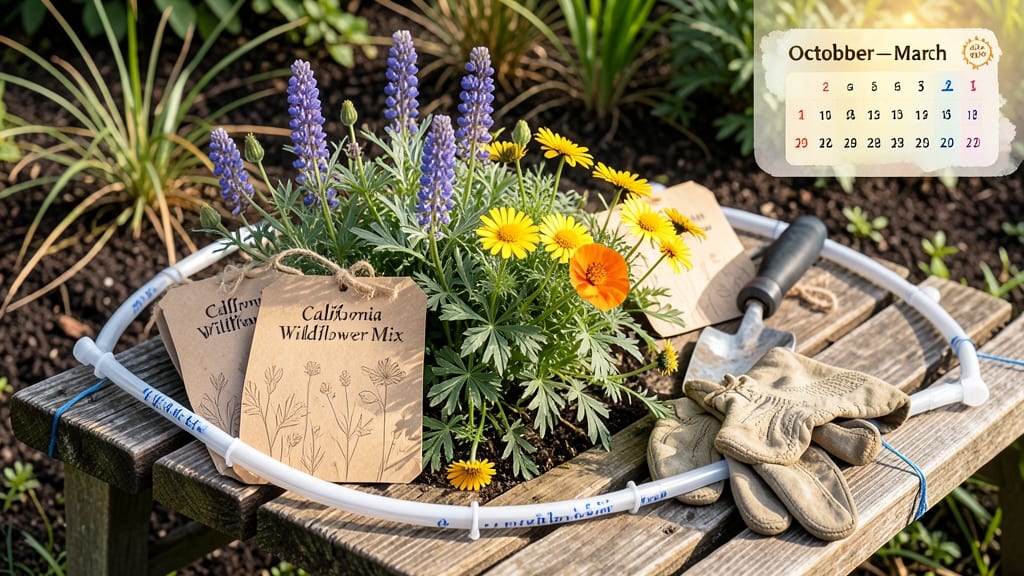
Timing your flower planting in California isn’t just about picking a season—it’s about mastering the state’s wild climate swings from coastal chill to desert heat. Get it wrong, and your vibrant blooms might bolt before they even open, leaving you with a garden full of disappointment instead of beauty.
I’ve seen firsthand how a single week can mean the difference between thriving poppies and wilted petals in the same backyard.
Whether you’re in frost-prone USDA Zone 7 or the sunbaked Zone 11 desert, knowing the exact window to plant—like March for coastal areas or November for desert regions—is the secret to a garden that pops all season long.
Let me show you the precise months to plant your favorites—from lavender that loves heat to poppies that hate summer’s intensity—plus how to outsmart California’s microclimates.
You’ll learn when to hold off on annuals, why fall planting works better than spring in some zones, and how to keep your flowers blooming longer without them running for the hills.
Ready to turn your garden into a year-round showstopper? Let’s dive into the zone-specific planting schedule that’ll make your neighbors green with envy—literally.
California planting Zones explained: when to plant flowers by region
California’s 9 USDA hardiness zones (5-11) create wildly different planting windows—from coastal fog belts to desert heat zones. Your last frost date shifts from February in Zone 9 to November in Zone 5, so timing is everything.
I’ll break down the best months to plant annuals, perennials, and bulbs in each zone, plus how to adjust for microclimates like San Francisco’s chill or Death Valley’s heat.
First, know your frost-free period. Coastal areas (Zones 8-10) rarely see frost, while inland valleys (Zones 7-9) might get light frosts in winter. Desert regions (Zones 9-11) stay warm year-round, but heat stress can still bolt flowers.
Use local frost maps (like UC Davis’s) to pinpoint your exact planting window. For example, Zone 7 (Sacramento, Fresno) has last frost dates in late March, while Zone 10 (Los Angeles, San Diego) is frost-free year-round.
Annuals like marigolds and zinnias thrive when planted 2-3 weeks after your last frost. In cooler zones (5-7), that’s April-May; in warmer zones (8-11), you can plant year-round with seasonal adjustments. Perennials like lavender and roses need fall planting (September-October) to establish roots before winter, while bulbs (e.g., tulips, daffodils) go in October-November for spring blooms.
🌱
| Zone | Region Examples | Last Frost | Best Planting Months | Pro Tip |
|---|---|---|---|---|
| 5-6 | Mount Shasta, Lake Tahoe | April 15-May 15 | May-June (annuals), Sept-Oct (perennials) | Use row covers for early starts. |
| 7 | Sacramento, Fresno | March 15-April 15 | April-May (annuals), Sept-Oct (perennials) | Plant heat-tolerant varieties like sunflowers. |
| 8 | San Francisco, Santa Barbara | January-February (light) | March-April (annuals), year-round (perennials) | Avoid overwatering in foggy zones. |
| 9-10 | Los Angeles, San Diego | None (frost-free) | Year-round (seasonal rotations) | Use shade cloth in summer. |
| 11 | Death Valley, Palm Springs | None | Fall-Winter (Oct-Feb) | Prioritize drought-resistant flowers. |
For Zone 5-7 gardeners, cool-season flowers like pansies and snapdragons can handle fall planting (August-September) for winter blooms. In Zones 8-10, summer heat means focusing on heat-l
Top 5 flowers to plant in California by season (with exact months)
California’s diverse microclimates mean your flower planting calendar should be just as varied. I’ve tested these top 5 bloomers across the state, and their ideal planting windows will save you from wilted dreams and bolt-prone disasters. Let’s start with the stars of your spring garden.
For coastal areas (Zones 7-9), California poppies are your best bet in late fall (November) or early spring (February–March). These drought-loving beauties hate summer heat, so get them in the ground when soil temps hover around 60°F.
In desert zones (Zones 10-11), plant them in winter (December–January) to beat the 100°F+ summers.
🌱 Visual Guide: Planting Windows by Flower
- California Poppies
- Lavender
- Snapdragons
- Zinnias
- Tulips
Lavender is a California garden staple, but its planting window is narrow. Seed in February–March—never in summer. The heat stress will turn your fragrant bushes into crispy sticks. For coastal gardens, choose English lavender; in desert areas, Spanish lavender handles the dry heat better.
If you love long-lasting summer color, zinnias are your secret weapon. Plant them in March–May for blooms from June to frost. The key? Deadhead regularly and water deeply but infrequently—these drought-tolerant darlings thrive when you mimic California’s natural rain patterns.
For fall gardens, tulips and dahlias steal the show—but their planting deadlines are critical. Pop tulip bulbs in October–November so they get the 60-day chill they need.
Dahlias, however, wait until April when soil warms to 65°F. Pro tip: Mulch heavily to protect them from late frosts in Zone 7.
Don’t overlook fall-planted annuals like snapdragons and pansies. These cool-season champions thrive when planted in September–November, giving you color through winter and into spring. In Zone 11 deserts, plant them in November–December to avoid spring heat.
Remember: Soil temperature matters more than air temperature. Use a soil thermometer—ideal ranges are 60–70°F for most flowers. And if you’re in Zone 10–11, succulents like desert marigolds can handle year-round planting, but stick to fall for classic blooms like petunias.