
Flowers
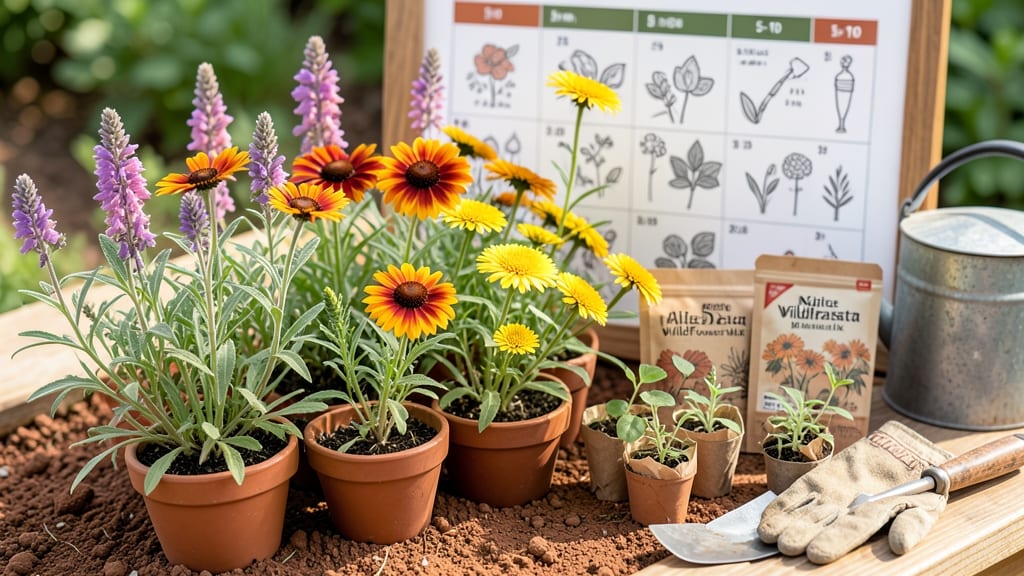
Timing your Flowers planting in Arizona isn't just about following a calendar—it's about outsmarting the desert's brutal heat and unpredictable monsoons. Skip the wrong window, and your 🌸 may wilt before they even bloom. The key? Planting during Arizona's cooler seasons when roots establish strong before summer's scorching sun arrives.
Fall and winter are your golden opportunities, especially in USDA Zone 9b, where temperatures stay mild enough for flowers to thrive. September through November offers perfect conditions, while December to February gives hardy varieties a head start.
But here's the catch: not all flowers play by the same rules—annuals, perennials, and natives each have their ideal timing for maximum impact.
What you're about to discover is a desert-proof schedule tailored to Arizona's microclimates. We'll break down the best months for each type of flower, accounting for everything from Phoenix's intense sun to Tucson's monsoon patterns.
No more guessing games—just science-backed timing to ensure your garden bursts with color year after year.
Ready to transform your yard into a vibrant oasis? Let's dive into the exact planting windows that will give your Flowers the best shot at success in Arizona's challenging climate. The secret to stunning blooms starts with knowing when—and where—to plant.
Arizona Flower planting calendar: best months by season
Arizona’s three distinct seasons—hot, dry summers, monsoon rains, and mild winters—dictate when to plant flowers for success. Unlike temperate climates, spring planting is risky due to sudden heat spikes, while fall and winter offer ideal conditions.
The key? Plant when soil temps stay below 85°F and avoid peak summer months (June-August) unless using shade cloth.
Most Arizona gardeners focus on fall planting (September-November) for cool-season blooms like pansies and snapdragons, while winter planting (December-February) works for heat-tolerant annuals. Native desert flowers often self-seed in spring, but intentional planting in late winter ensures vibrant blooms by March.
Timing matters—plant too early, and roots may rot; too late, and flowers bolt in summer heat.
Here’s how to align your planting with Arizona’s microclimates. Phoenix’s low desert (Zone 10a) has longer heat seasons, while Flagstaff’s high desert (Zone 7a) can handle earlier spring plantings.
Tucson’s Sonoran Desert climate demands extra caution with water-sensitive varieties. Always check your local frost-free dates, though most of Arizona rarely sees frost.
| Season | Best Planting Window | Ideal Flowers | Soil Temp Goal | Key Tip |
|---|---|---|---|---|
| Fall | September–November | Pansies, Snapdragons, Calendula | 60–75°F | Plant 6–8 weeks before first frost (rare in AZ) |
| Winter | December–February | Petunias, Zinnias, Desert Marigold | 55–70°F | Use shade cloth if planting early |
| Spring | March (high elevations only) | Lupines, Blanket Flower, Blackfoot Daisy | 65–80°F | Avoid low deserts—heat stress risk |
| Summer | June–August (with precautions) | Portulaca, Lantana, Verbena | Never above 85°F | Plant at dusk, mulch heavily, water deeply |
For annual flowers, aim to plant 6–8 weeks before your target bloom time.
For example, spring blooms (March–May) should start in late winter, while fall colors (October–November) need summer sowing. Perennials like desert marigold thrive when planted in fall or early spring, giving roots time to establish before summer’s intensity.
Monsoon timing (July–September) can trick gardeners—while rains help establish plants, sudden downpours may erode soil or cause fungal issues. If planting during monsoon season, use drip irrigation and avoid overhead watering. Native wildflowers often self-seed after summer rains, but intentional planting requires well-draining soil to prevent root rot.
One critical mistake is planting heat-sensitive varieties like impatiens or begonias in spring. These wilt under Arizona’s 110°F+ heat.
Instead, opt for heat-tolerant annuals like portulaca or celosia, which thrive in summer’s intensity. Succulents and cacti should be planted in late summer or fall to avoid transplant shock.
Pro tip: Use a soil thermometer to check temperatures before planting. Ideal soil temps for most flowers range from 60–75°F.
If your soil runs hotter, plant in shade cloth or wait until evening to transplant. Mulching with 2–3 inches of organic matter (like straw or bark) helps regulate soil temperature and retain moisture.
Remember, Arizona’s elevation plays a role. High-desert areas (e.g., Flagstaff) can plant 4–6 weeks earlier than low deserts (e.g., Phoenix). For example, Flagstaff gardeners might plant cool-season flowers in August, while Phoenix gardeners wait until October. Always adjust based on your local microclimate.
Start with native Arizona flowers like desert marigold or blanket flower—they’re adapted to the climate and require minimal intervention. For non-n
Top 10 Arizona-native flowers and their perfect planting times
Arizona’s native flowers aren’t just beautiful—they’re built to thrive in our extreme climate. These hardy varieties demand minimal water, resist pests, and bloom reliably when planted at the right time.
Let’s explore the top 10 desert flowers and their ideal planting windows to ensure a year-round splash of color in your garden.
From desert marigolds that pop in spring to blanket flowers that light up fall, each variety has a specific window for maximum impact. Plant too early, and they’ll struggle with heat; too late, and they may not establish before winter.
The key? Follow these month-by-month guidelines tailored to Arizona’s unique growing conditions.
Desert Marigold (Baileya multiradiata) and Blanket Flower (Gaillardia) top the list for their drought tolerance and vibrant blooms. Both should be sown in late winter to early spring (February-March), giving them time to root before summer’s intensity. For best results, choose well-draining soil and full sun exposure.
🌵 Top 10 Arizona-Native Flowers & Planting Times
-
1. Desert Marigold
🌞 Plant: Feb-Mar | 💧 Water: Weekly (established) | 🌡️ Zone: 9b+ -
2. Blanket Flower
🌞 Plant: Sep-Oct | 💧 Water: Bi-weekly | 🌡️ Zone: 5-10 -
3. Blackfoot Daisy
🌞 Plant: Oct-Nov | 💧 Water: Monthly (drought-tolerant) | 🌡️ Zone: 6-10 -
4. Penstemon
🌞 Plant: Sep-Oct | 💧 Water: Weekly (spring) | 🌡️ Zone: 4-9 -
5. Desert Bluebells
🌞 Plant: Oct-Nov | 💧 Water: Bi-weekly | 🌡️ Zone: 7-10 -
6. Ocotillo
🌞 Plant: Sep-Oct | 💧 Water: Rarely (native) | 🌡️ Zone: 9-11 -
7. Red Yucca
🌞 Plant: Sep-Oct | 💧 Water: Monthly | 🌡️ Zone: 7-11 -
8. Arizona Poppy
🌞 Plant: Feb-Mar | 💧 Water: Weekly (spring) | 🌡️ Zone: 7-10 -
9. Fairyduster
🌞 Plant: Sep-Oct | 💧 Water: Bi-weekly | 🌡️ Zone: 9-11 -
10. Brittlebush
🌞 Plant: Oct-Nov | 💧 Water: Rarely | 🌡️ Zone: 9-11
Pro Tip: All these natives thrive with minimal water once established—perfect for Arizona’s arid climate! 💧☀️
For beginner gardeners, I recommend starting with Blanket Flower or Desert Marigold—they’re nearly foolproof.
These varieties tolerate poor soil, need little maintenance, and bloom prolifically if planted in their ideal windows. Blanket Flower, for example, sown in September-October, will reward you with non-stop color from spring through fall.
Don’t overlook Blackfoot Daisy or Penstemon for late-season interest. Both excel when planted in fall (October-November), giving them a head start before winter rains. Their deep roots make them incredibly drought-resistant once mature, making them ideal for Arizona’s low-water landscapes.
If you’re aiming for year-round blooms, combine early spring plantings (like Arizona Poppy) with fall favorites (like Fairyduster). This staggered approach ensures your garden stays vibrant from February through November, with minimal effort.
Just remember: water deeply after planting and mulch to lock in moisture—critical steps for desert success!