
Flowers
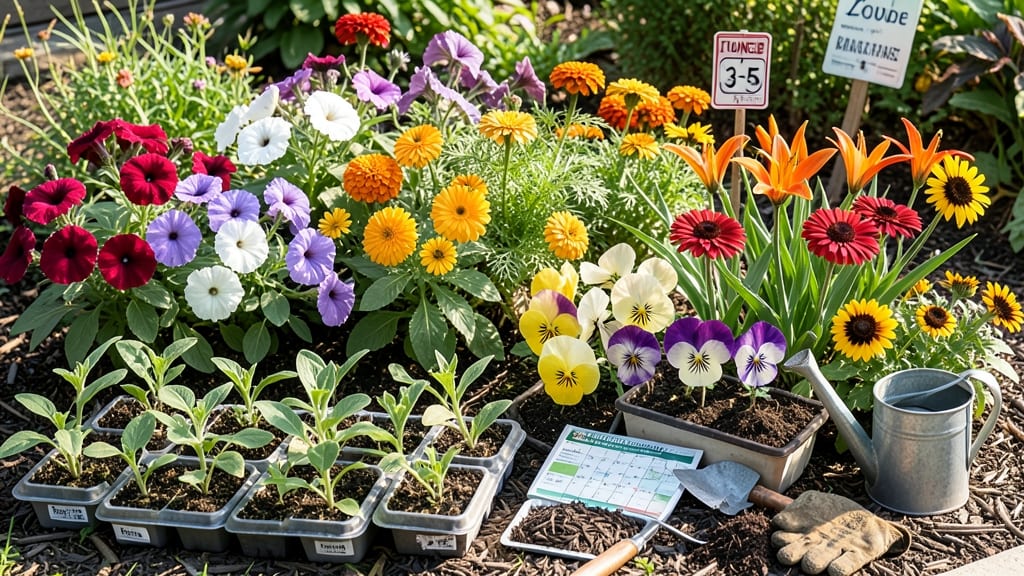
Timing your when to plant flowers in NH can mean the difference between a vibrant garden and a frost-killed disappointment—especially in zones 5a-6b where late frosts linger well into May. One wrong move, and your 🌸 could be left struggling or worse, wiped out before they even bloom.
New Hampshire’s short growing season demands precision, but don’t let that intimidate you. With the right deadlines—like waiting until after May 10 for most annuals—you can outsmart Mother Nature’s unpredictability. Whether you’re planting perennials in spring or bulbs in fall, knowing your last frost date is the key to success.
I’ve tested the best strategies for NH gardens, from starting seeds indoors to protecting seedlings with row covers. You’ll learn exactly when to plant each type of flower, how to prep your soil, and which varieties thrive in our tricky climate.
Let’s make sure your garden blooms on time—no frost damage required.
Ready to turn your yard into a year-round paradise? Stick around—I’ll walk you through the exact planting schedule, frost-proofing tips, and even where to find the best local flowers for your zone. Your dream garden starts with the right timing.
New Hampshire planting zones: when to plant flowers by last frost dates
New Hampshire’s USDA Hardiness Zones 5a-6b mean your planting timeline depends heavily on where you live. Coastal areas like Portsmouth (Zone 6b) enjoy earlier last frosts (mid-April), while the White Mountains (Zone 5a) can see frost until May 20.
Knowing these dates is critical to avoid losing tender seedlings to late frosts.
For most of New Hampshire, the average last frost date falls between late April and mid-May. However, high-elevation areas like Mount Washington may experience frost well into June. Always check local NH Agricultural Experiment Station updates or use a frost calendar from your county extension office for precise timing.
Here’s how to use this frost date guide for your flower garden: Start annuals indoors 6-8 weeks before your last frost, and plant perennials after the danger has passed. Bulbs like tulips and daffodils should go in the ground in fall (October-November) to naturalize and bloom early.
| Region | Zone | Avg. Last Frost | Plant Annuals | Plant Perennials |
|---|---|---|---|---|
| Coastal (Portsmouth) | 6b | Mid-April | Late April | Early May |
| Southern NH (Concord) | 5b | Early May | Mid-May | Late May |
| Northern NH (Laconia) | 5a | Late May | Early June | Mid-June |
| White Mountains | 4b | Early June | Late June | Early July |
*Dates are averages—always monitor forecasts for late frosts!
If you’re planting cold-hardy flowers like pansies, snapdragons, or sweet alyssum, you can push the envelope and plant them as early as March in coastal areas. These frost-tolerant annuals can handle light freezes and will bloom earlier, giving you vibrant color during NH’s short spring.
For heat-loving flowers such as marigolds, zinnias, or sunflowers, wait until after Memorial Day (late May) to avoid stunted growth. These warm-season bloomers need consistent soil temperatures above 55°F to thrive, which is why planting too early can lead to leggy, weak stems.
Don’t forget about fall planting! Many perennials and bulbs benefit from being planted in September or early October. This gives their roots time to establish before winter dormancy. For example, fall-planted tulips often produce larger, more vibrant blooms the following spring.
To stay on track, mark your calendar for Mother’s Day weekend (mid-May) as a general rule for planting most annual flowers. By this time, the risk of frost has significantly decreased in most of New Hampshire, and soil temperatures are ideal for germination.
For high-elevation gardens, consider using microclimates to extend your growing season. South-facing slopes warm up faster and can be 2-3 weeks earlier for planting than north-facing areas. Use this to your advantage by planting heat-loving flowers in these spots first.
Always have row covers or frost cloth on hand for those unpredictable late frosts. Even if the average last frost date has passed, a sudden cold snap can wipe out tender seedlings overnight. Protecting your plants with lightweight fabric can buy you extra time to harden off seedlings.
Best flowers to plant in NH by season: timing for maximum blooms
New Hampshire’s short growing season demands strategic flower choices. Annuals like petunias and zinnias need warm soil, while perennials such as coneflowers and daylilies thrive when planted early. Timing depends on whether you’re sowing seeds or transplanting seedlings—both require precise coordination with NH’s last frost dates.
For spring-blooming bulbs, like daffodils and tulips, plant them in fall (September-October) to ensure roots establish before winter. These hardy beauties push through snow for early color. Meanwhile, summer annuals like marigolds and cosmos should wait until after May 15 in most zones to avoid frost damage.
🌸
Don’t overlook cold-hardy perennials like shasta daisies or bee balm, which establish roots in spring and reward you with years of blooms. For coastal NH, where frost arrives slightly later, you can push annuals like geraniums into the ground by May 20.
Inland areas should wait until May 15 or later.
Pro tip: Mark your calendar for Mother’s Day weekend—a reliable benchmark for safe planting in most of NH. By then, the risk of frost has typically passed, and soil temperatures are ideal for transplanting tender perennials like lavender or Russian sage.
For late-summer color, focus on mums and black-eyed Susans. Plant mums in early summer (June) to give them time to root before fall’s chill. Black-eyed Susans, meanwhile, self-seed prolifically, so you can sow them as early as April or let them surprise you next year.
🌿