
Flowers
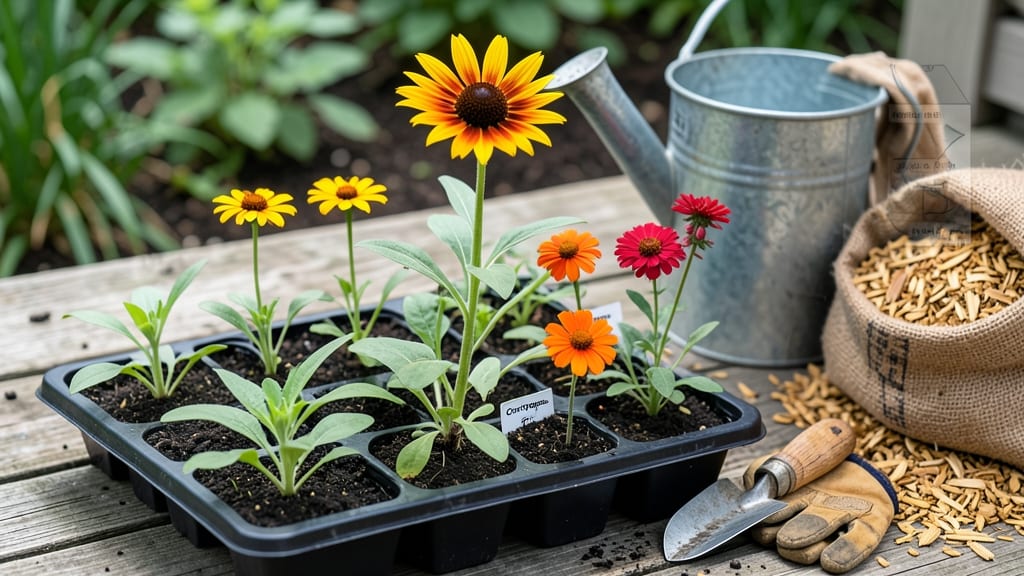
Timing your flowers in Alabama planting can mean the difference between a vibrant garden and a sad, frost-nibbled disappointment. With Alabama’s unique 7a-8b zones, getting the schedule right is everything—plant too early, and you’ll lose your blooms to late frosts; too late, and you’ll miss peak growth.
The secret lies in understanding your specific zone’s frost-free dates and matching them to your favorite 🌸 varieties.
Whether you’re dreaming of spring pansies or summer zinnias, knowing when to start seeds indoors or set out transplants is the key to success. I’ll break down the exact windows for annuals, perennials, and bulbs, so you can avoid common mistakes and enjoy blooms all season long.
Let’s dive into the precise planting calendar that works for Alabama’s climate.
From late winter’s first bulbs to fall’s hardy perennials, each flower type has its own ideal timing. You’ll learn how to adjust for urban heat islands or rural chill, plus pro tips for extending your growing season.
Ready to transform your garden? Here’s your step-by-step guide to planting flowers in Alabama like a local.
No more guessing games—just science-backed timing to help your garden thrive. Whether you’re a first-time gardener or a seasoned pro, these insights will ensure your 🌸 beds burst with color at the perfect moment. Let’s get started!
Alabama planting zones & frost-free dates by month
Alabama’s 7 USDA planting zones (6A-8B) create microclimates where frost-free dates vary by 2-3 weeks. Northern zones like 6A (Anniston) average last frosts in mid-March, while southern 8B (Mobile) sees frost-free conditions by early February.
Understanding these zones ensures you plant annuals after last frost and bulbs 6-8 weeks before.
Use this guide to align your flower planting schedule with Alabama’s 210-240 frost-free days. For example, Zone 7A (Huntsville) gardeners should wait until April 1 for heat-loving petunias, while Zone 8A (Birmingham) can plant marigolds as early as March 15.
Always check local Alabama Extension Service updates for yearly variations.
🌱
| Zone | Avg Last Frost | First Planting Window | Best for Bulbs | Annuals Ready |
|---|---|---|---|---|
| 6A (North) | March 15 | April 15 | Oct 15 | May 1 |
| 7A (Northeast) | March 1 | March 25 | Nov 1 | April 15 |
| 7B (Central) | February 28 | March 15 | Nov 15 | April 1 |
| 8A (South) | February 15 | March 1 | Dec 1 | March 15 |
| 8B (Coastal) | February 1 | February 15 | Nov 1 | March 1 |
For bulbs like tulips and daffodils, plant them 6-8 weeks before your zone’s average last frost.
In Zone 7A, that means October 15, while Zone 8B can plant as late as November 1. Perennials like lavender thrive when planted in early spring (March) or fall (October) for established root growth before winter.
Alabama’s fall planting window runs from August to October, perfect for cool-season annuals like pansies and snapdragons. These flowers tolerate light frosts and bloom until December in most zones. Start seeds indoors 6-8 weeks before your first frost date (typically November 15) for a head start.
🌿
Urban gardeners in Birmingham (Zone 7B) often face microclimates where sidewalks and buildings create heat islands. Plant heat-tolerant zinnias after April 15 and use mulch to retain moisture.
In contrast, mountain valleys like Huntsville (Zone 6A) may experience late frosts—wait until May 1 for tender petunias to avoid damage.
Use row covers to extend your spring planting by 2-3 weeks in cooler zones. For example, Zone 6A gardeners can plant cold-hardy cabbage roses under covers as early as March 1.
Always monitor Alabama Agricultural & Forestry Experiment Station alerts for unpredictable frost events that can delay planting by weeks.
🌸
Pro tip: Mark your last frost date on a garden calendar and count backward for bulb planting
Best flowers to plant by season in Alabama (with exact timing)
Alabama’s two distinct planting seasons—spring and fall—create perfect conditions for vibrant flower gardens. Cool-season flowers like pansies and snapdragons thrive in early spring, while warm-season favorites such as zinnias and marigolds shine in summer and fall. Understanding these seasonal windows ensures your blooms appear when you want them most.
For spring planting (February–April), focus on annuals and cool-hardy perennials that tolerate Alabama’s mild winters. Fall planting (August–October) gives warm-season flowers a head start before winter. Let’s break down the best flowers for each season and their precise planting times to maximize your garden’s beauty.
🌸 Spring Planting (February–April):
- Pansies & Violas – Plant 6–8 weeks before last frost (late February–early March) for early blooms. They tolerate light frost and thrive in partial shade.
- Snapdragons – Start seeds indoors in January or plant outdoors in March after soil warms. Prefers full sun and blooms until fall.
- Sweet Alyssum – Direct-sow in March for fragrant clusters. Ideal for rock gardens or borders and attracts pollinators.
🌻 Summer Planting (May–July):
- Zinnias – Sow seeds directly in April–May after last frost. Thrives in full sun and blooms until first frost. Deadhead for continuous flowers.
- Marigolds – Plant after soil reaches 60°F (late April–May). Repels pests and adds bright color to summer beds.
- Sunflowers – Start seeds indoors in March or direct-sow in May. Needs full sun and deep soil for tall stems.
- 🌱 February–March: Cool-season annuals (pansies, snapdragons) and bulbs (tulips, daffodils) 6–8 weeks before last frost.
- 🌞 April–May: Warm-season annuals (zinnias, marigolds) after last frost date (mid-March in South AL, late March in North AL).
- ☀️ June–July: Heat-tolerant flowers (portulaca, lantana) for summer-long color.
- 🍂 August–September: Fall bloomers (cosmos, asters) for autumn gardens.
- 🌙 October: Plant perennials and spring bulbs for early-season blooms.
For perennials like lavender and salvia, plant in early spring or fall to establish roots before extreme heat or cold. These drought-tolerant plants thrive in Alabama’s Zone 7A–8B and return year after year with minimal care.
Pro tip: Use mulch after planting to retain moisture and regulate soil temperature. For container gardens, choose heat-tolerant varieties like geraniums or petunias and water daily during summer heat waves.
Alabama’s long growing season (210–240 frost-free days) lets you enjoy flowers nearly year-round. With this seasonal guide, you’ll time your plantings perfectly for a garden bursting with color from spring to fall.