
Flowers
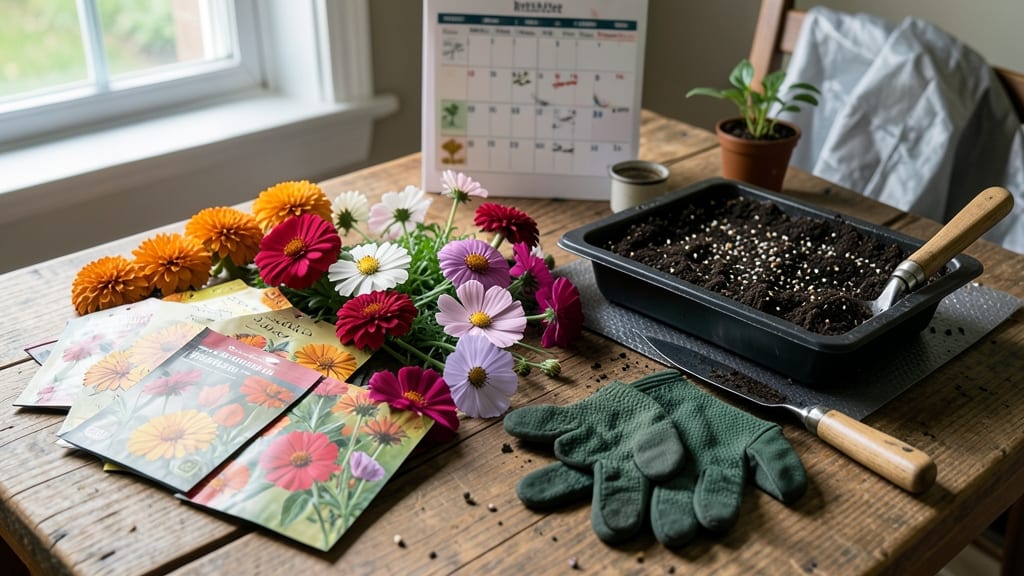
Timing when to plant flower seeds in the ground in Indiana is the difference between a garden bursting with color and a season of disappointment.
With the state’s 5b-6b climate zones, getting those seeds in the ground too early or too late can leave you with weak blooms—or worse, no blooms at all.
The secret isn’t just about waiting for spring; it’s about understanding exact deadlines for each variety, from frost-hardy pansies to heat-loving zinnias.
I’ve spent years testing planting windows in Indiana, and what I’ve learned could save you from common mistakes. Whether you’re a first-time gardener or a seasoned pro, knowing when to start seeds indoors, when to direct-sow, and how to adjust for late frosts or early heatwaves is game-changing.
Let’s break down the best times to plant, so you can enjoy a garden full of 🌸 from early summer through fall.
Spring planting starts as early as late March for cold-tolerant flowers, but most seeds wait until after the last frost—typically around April 15. Fall planting kicks off in August, giving flowers like cosmos and marigolds time to establish before winter.
The key? Soil temperature matters more than calendar dates, and I’ll show you how to check it like a pro.
Ready to transform your garden? You’ll discover which flowers thrive with early starts, which need a head start indoors, and how to extend your blooming season with smart timing. Let’s get those seeds in the ground the right way—so you can enjoy the results all season long.
Indiana flower seed planting deadlines by zone 5-6 variety type
Indiana’s USDA Zones 5b-6b mean your flower seed planting schedule must balance last-frost dates (typically April 15) with soil warmth. Northern Indiana gardens often face 2-3 weeks later planting than southern areas, so adjust based on your microclimate.
Most annuals thrive when sown 4-6 weeks before the last frost, while cold-hardy varieties like pansies can handle early spring plantings.
For spring planting, aim for late March to mid-May, but verify soil temperatures—seeds need at least 60°F to germinate.
Fall planting (August–early September) works for biennials and some perennials, giving them time to establish roots before winter. Marigolds and zinnias are classic fast bloomers, while coneflowers and black-eyed Susans prefer cooler fall starts.
Northern Indiana’s cooler microclimates (e.g., near Lake Michigan) may delay planting by 10–14 days compared to southern regions like Evansville. Use a soil thermometer to confirm readiness—marigolds and cosmos germinate best at 70°F+, while lupines and snapdragons tolerate cooler soils.
For high-altitude areas (e.g., near Bloomington), err on the side of later planting to avoid frost damage.
Pro tip: Succession planting every 2 weeks in spring ensures continuous blooms. For example, sow zinnias in late April, then again in mid-May for a 6-week extension of color. Cosmos self-seed readily, so you can skip replanting after the first year.
Always check seed packets for days-to-maturity—fast growers (30–50 days) like bachelor’s buttons can start earlier than delphiniums (90+ days).
Fall planting in Indiana offers a second chance for biennials and some perennials. Sweet William and foxgloves sown in August will establish roots before winter, blooming robustly the following spring.
Avoid planting tender annuals like petunias in fall—they won’t survive Indiana’s winters. Instead, focus on hardy varieties like pansies or stock, which can handle light frosts.
Indiana’s variable weather demands flexibility. If late frosts hit in May, protect seedlings with frost cloth or move pots indoors temporarily. For early bloomers like calendulas, start seeds indoors in late February and transplant after the last frost.
Always monitor your local Indiana State Climate Office for updates—2023’s late spring frosts caught many gardeners off guard!
Don’t overlook container gardening for flowers like geraniums or impatiens. These can be planted 2–3 weeks later than in-ground seeds because containers warm up faster. Just ensure pots have drainage holes to prevent root rot from Indiana’s humid summers. <
How to adjust planting times for Indiana’s unpredictable weather
Indiana’s unpredictable spring frosts and sudden heatwaves can derail even the most careful gardener’s plans. If you’ve ever watched your tender seedlings wilt overnight or bolt into flower too quickly, you know how crucial flexible planting strategies are.
The key is adjusting your timeline based on soil temperature, frost forecasts, and microclimate variations—especially between Indiana’s northern and southern regions.
Start by checking your local frost dates, which can vary by 1-2 weeks across the state. For example, northern Indiana’s last frost often hits around April 20-25, while southern Indiana may see frost-free conditions by April 10-15.
Use the National Weather Service or Old Farmer’s Almanac for real-time updates, and consider investing in a soil thermometer to track when temperatures consistently reach 60°F—the magic threshold for most flower seeds.
🌱
⚠️ Late Frost Alert: Protect Your Seedlings!
If a late frost warning appears after you’ve planted, act fast:
- Row covers (floating fabric) can raise temps by 5-8°F—enough to shield delicate seedlings.
- Use cloche bells or mini greenhouses for high-value plants like petunias or geraniums.
- Avoid overwatering before frost—wet soil conducts cold better than dry soil.
Pro Tip: Plant cold-hardy annuals like pansies or snapdragons 4-6 weeks before your last frost date for early color.
For varieties sensitive to heat, like cosmos or marigolds, consider indoor germination 4-6 weeks before your target outdoor date. Start seeds in biodegradable pots under grow lights (14-16 hours of light daily) to avoid transplant shock.
Harden off seedlings by placing them outdoors for 2-3 hours daily in a sheltered spot starting 10 days before transplanting.
Don’t overlook fall planting, either. Many flowers, including calendulas and nasturtiums, thrive when sown in late August. These cool-season bloomers germinate quickly in warm soil but establish roots before winter sets in.
Aim to plant by September 1st to give them time to mature before the first frost—typically October 10-20 in Indiana.
Finally, embrace succession planting to hedge your bets. Instead of sowing all your zinnias or sunflowers at once, stagger plantings every 2 weeks from late April through early June.
This ensures continuous blooms and minimizes losses from pests or weather extremes. Even a 10-foot-by-10-foot plot can support 3-4 staggered plantings of fast-growing annuals!
With these adjustments, you’ll turn Indiana’s unpredictable weather into an advantage—your garden will look lush and vibrant, no matter what Mother Nature throws your way. 🌿