
Plants
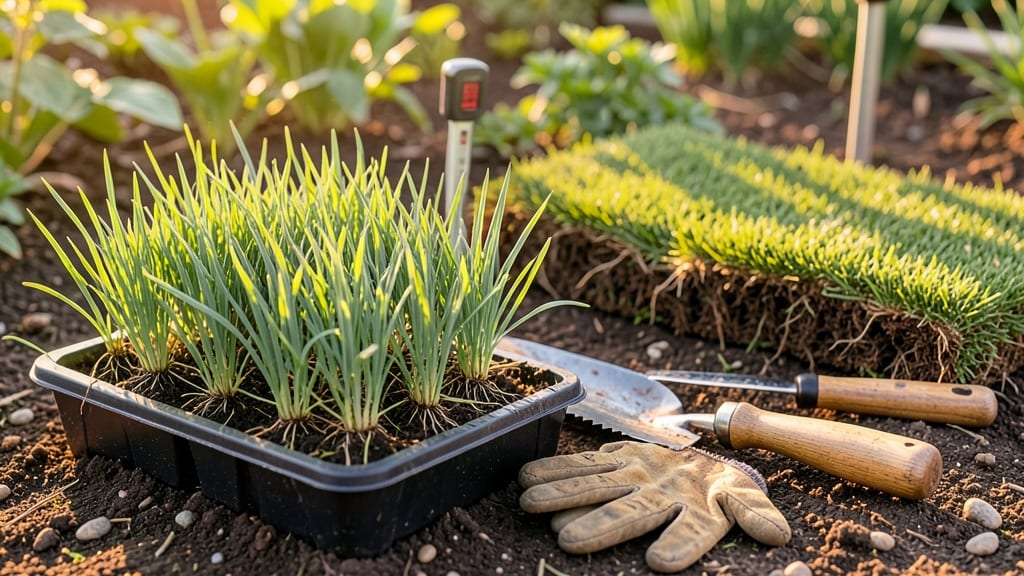
Timing your fescue grass planting in spring can mean the difference between a vibrant, resilient lawn and one that struggles to take root. The key isn't just waiting for spring—it's understanding when your soil is truly ready to support strong 🌱 fescue growth.
In USDA Zone 6a, where many gardeners live, early planting (like in March) gives your grass a head start before summer heat sets in.
Most gardeners make the mistake of planting too early when soil is still cold, or too late when summer arrives. The ideal window is 4-6 weeks before your last frost date, when soil temperatures hit at least 50°F.
This warmth triggers germination, ensuring your fescue establishes deep roots before the heat of summer.
But how do you know if your soil is ready? Look for signs like moist but not soggy soil and active earthworms—both indicate the perfect conditions. If you're unsure, a simple soil thermometer can give you the exact temperature, taking the guesswork out of planting.
Once you've nailed the timing, the next steps—like seed selection and watering schedules—will set your fescue up for success. Let’s break down everything you need to know to get your lawn off to the best possible start.
Optimal soil temperature ranges for planting fescue in spring
Fescue grass thrives when planted in soil temperatures between 50°F and 65°F, a range that triggers consistent germination and strong root establishment. This window typically falls in early to mid-spring, but exact timing depends on your USDA climate zone and local weather patterns. Planting too early—when soil is still cold—delays growth, while waiting too long risks summer heat stress. The key is balancing soil warmth with moisture availability to give young seedlings the best start.
Most gardeners overlook the fact that soil temperature lags behind air temperature by about 2-3 weeks. For example, if your area hits 50°F air temps in March, your soil may not reach the ideal 50°F threshold until late March or early April.
Using a soil thermometer (available for under $15) is the most accurate way to confirm readiness. If you don’t have one, the "moonlight method"—digging a 6-inch hole and checking if the soil feels warm to the touch at night—can give a rough estimate.
Here’s why 50°F is the magic number: Below this, fescue seeds may rot or fail to sprout due to slow microbial activity in cold soil. Above 65°F, seeds can dry out too quickly, and seedlings may struggle to establish deep roots before summer drought sets in.
In cool climates (Zones 3-5), aim for late April to early May, while warmer regions (Zones 7-10) should plant by mid-March to avoid heat stress.
Pro tip: Morning soil temps are usually 5-10°F cooler than afternoon readings. Take your measurements in the morning (8-10 AM) for the most reliable data.
If your soil is still below 50°F in early spring, consider using a seed starter mat or planting in a shaded microclimate to extend the growing window.
🌱 Fescue Soil Readiness Guide
| Soil Condition | Ideal Range | Action Required |
|---|---|---|
| Temperature | 50°F–65°F | Plant seeds when soil hits 50°F consistently. |
| Moisture | Damp (like a wrung sponge) | Water deeply 1–2 days before planting. |
| pH Level | 6.0–7.0 | Test soil; amend with lime (to raise) or sulfur (to lower). |
| Organic Matter | 3–5% | Add compost (1–2 inches) 2 weeks before planting. |
Once your soil hits the 50°F threshold, act quickly—fescue seeds can lose viability if exposed to dry or hot conditions for more than a few days. Start by loosening the top 2–3 inches of soil with a rake or tiller to improve aeration and drainage.
For best results, plant seeds at a depth of ¼ inch and cover lightly with soil or compost. This shallow placement ensures seeds stay moist while allowing sunlight to penetrate for photosynthesis.
After planting, consistent moisture is critical for the first 2–3 weeks. Water lightly every 2–3 days to keep the soil surface damp, but avoid oversaturating, which can cause seed rot. A light misting in the morning mimics natural dew and reduces fungal risks.
Once seedlings reach 2–3 inches tall, gradually reduce watering to encourage deep root growth. Remember, deep roots = drought-resistant grass.
For gardeners in transition zones (Zones 6–7), where spring weather can be unpredictable, consider staggered planting. Sow half your seeds in early spring (when soil hits 50°F) and the other half 4–6 weeks later.
This strategy ensures a continuous lawn coverage even if early seedlings struggle with late frosts or heatwaves.
Finally, don’t forget to monitor for weeds during the first growing season. Fescue grows slowly when young, so pre-emergent herbicides should be avoided. Instead, use a mulch layer (straw or grass clippings) to suppress weeds naturally while retaining soil moisture.
With the right soil temperature and care, your fescue will establish a dense, low-maintenance lawn within 6–8 weeks.
🌱
Regional planting windows for fescue in spring (by US climate Zones)
Spring planting timing for fescue grass varies dramatically across the U.S., with soil temperature and last frost dates dictating success. In cool climates (Zones 3-5), aim for early spring—even as early as late February—while warmer regions (Zones 8-10) should wait until April or May to avoid summer drought stress. The key is planting 4-6 weeks before your last frost date when soil reaches 50-65°F. Northern gardeners in Zones 3-5 (e.g., Minnesota, New York) can start as early as late February to early March, leveraging cooler temperatures to establish roots before summer heat arrives. Meanwhile, Zones 6-7 (Midwest, Northeast) should target mid-March to April, aligning with soil warming trends. Southern regions like Zones 8-10 (Texas, Florida) must delay until April or May to prevent seedling stress from high temperatures.🌱 Fescue Planting Windows by USDA Zone
| Zone | Ideal Planting Month | Soil Temp Threshold | Key Consideration |
|---|---|---|---|
| 3-5 | Late February–Early March | 50–55°F | Avoid late frosts; use frost cloth |
| 6-7 | Mid-March–April | 55–60°F | Monitor for rapid soil warming |
| 8-10 | April–May | 60–65°F | Prioritize shade or mulch for seedlings |
⚠️ Pro Tip: Use a soil thermometer to confirm readiness—fescue seeds won’t germinate below 50°F.
🌱
Remember: Fescue thrives on patience. Rushing planting in cold soil leads to slow germination and weak seedlings, while waiting too long risks summer heat stress. Use mulch (straw or wood chips) to retain moisture and regulate soil temperature after planting.
For best results, pair your planting with a light fertilizer application (e.g., 10-10-10) to jumpstart root development.
✂️