
Plants
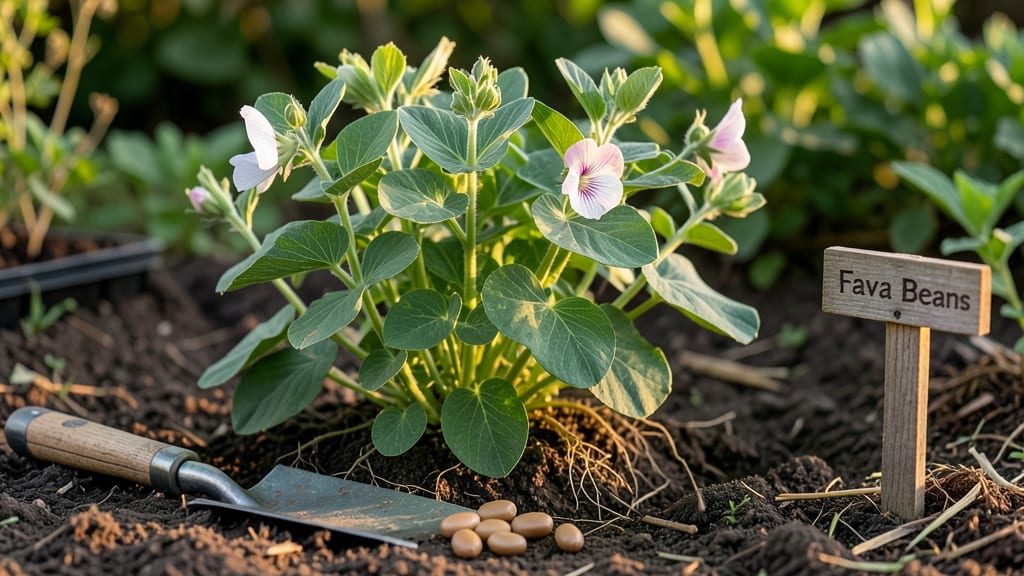
Knowing when to plant fava beans in Zone 6 is the secret to avoiding bitter-tasting bolts and maximizing your harvest. This cold-hardy crop thrives in cooler weather, but timing is everything—plant too early or too late, and you’ll end up with tough, stringy pods instead of tender, flavorful ones.
In Zone 6 (General), your best bets are early spring or late summer, but the exact deadlines depend on your last frost date.
For spring plantings, aim to sow seeds 4–6 weeks before your average last frost—typically by early March in most of Zone 6a-6b. Fall plantings, on the other hand, require a different strategy to ensure mature pods before winter sets in.
Why does timing matter so much? Fava beans are sensitive to heat, and even a few warm days can trigger bolting—the process where plants rush to flower and pod before reaching full size.
With the right schedule, you’ll enjoy plump, sweet pods packed with protein and fiber, all without the stress of guessing when to plant.
Let’s break down the exact planting windows, soil prep tips, and regional adjustments to guarantee a zero-bolt harvest. Whether you’re a seasoned gardener or just starting, these insights will help you grow fava beans like a pro—no bitter surprises included.
Zone 6 fava bean planting deadlines: exact early spring vs fall timing
Fava beans thrive in Zone 6’s cooler climate, but precise timing prevents bolting—when plants flower prematurely and produce bitter pods. The key is planting 4–6 weeks before your last frost for spring or 8–10 weeks before your first frost for fall.
In Zone 6, that typically means mid-March to early April for spring and late August to early September for fall.
Your exact deadlines depend on your last frost date (usually April 15 in Zone 6) and first frost date (around October 15). For example, if your last frost is April 15, plant by March 15 to avoid heat stress.
For fall, aim for September 5 to harvest before frost.
Soil temperature matters too. Fava beans germinate best in 45–75°F soil. Use a soil thermometer to confirm—if it’s below 45°F, wait 1–2 weeks or use black plastic mulch to warm the soil faster. In colder Zone 6a areas, start seeds indoors 4–6 weeks before transplanting.
Fall plantings are riskier in Zone 6 because daylength triggers bolting. To delay it, choose late-maturing varieties like ‘Aquadulce Claudia’ (100–120 days) or ‘Himalaya’ (90–110 days). These give you more time to harvest before frost. Avoid early varieties like ‘Early Bird’ (60–70 days) for fall—they bolt too quickly.
Regional adjustments are critical. In northern Zone 6a (e.g., Chicago, IL), plant late March to early April for spring. In southern Zone 6b (e.g., Atlanta, GA), you can push spring plantings to early April and fall plantings to early September.
| Planting Window | Zone 6 Deadline | Soil Temp Requirement | Key Variety Tip |
|---|---|---|---|
| Early Spring | 4–6 weeks before last frost (by March 15) | 45–75°F | ‘Aquadulce Claudia’ (100–120 days) |
| Fall | 8–10 weeks before first frost (by September 5) | 50–70°F | ‘Himalaya’ (90–110 days) |
| Late Spring (Succession) | Every 2–3 weeks until May 1 | 50–80°F | ‘Early Bird’ (60–70 days) |
| Zone 6a Adjustment | Push deadlines 1–2 weeks earlier | Use black plastic mulch | Start seeds indoors 4–6 weeks early |
| Zone 6b Adjustment | Push deadlines 1 week later | Tolerates up to 80°F briefly | Succession plant until May 15 |
Succession planting extends your harvest window. After your initial spring planting, sow new seeds every 2–3 weeks until May 1. This ensures a continuous supply of fresh pods. For fall, a second planting in late July can yield a bonus harvest if temperatures stay mild.
Watch for heat stress in late spring. If daytime temps exceed 80°F for more than 3 days, provide 30–50% shade with a floating row cover or lightweight shade cloth. This prevents bolting and keeps pods tender. Remove shade once temps drop below 75°F.
Fava beans are self-pollinating, so isolation isn’t critical, but avoid planting near broad beans (Vicia faba), their close relatives. Rotate crops annually to prevent soil-borne diseases like fusarium wilt. In Zone 6, this means never planting fava beans in the same spot two years in a row.
Mark your calendar now: March 15 for spring and September 5 for fall. These deadlines align with Zone 6’s frost dates and give your fava beans the best shot at zero-bolt, high-yield harvests.
With this timing, you’ll enjoy tender, sweet pods from late spring through early summer—or a late-fall bonus crop!
Zone 6 fava bean planting deadlines: exact early spring vs fall timing
Fava beans (Vicia faba) love cool weather, which makes Zone 6 an ideal climate—but only if you plant them at the right time. In this zone, your two best windows are early spring (March–April) and late summer/early fall (August–September).
Miss these deadlines, and you’ll risk bitter bolts or stunted growth.
The key is aligning your planting with soil temperatures and frost dates. For spring, aim to sow seeds 4–6 weeks before your last frost (typically by March 15–April 1 in most of Zone 6a-6b).
For fall, plant 8–10 weeks before your first frost (around August 15–September 1), giving pods time to mature before winter.
Here’s the breakdown of your Zone 6 planting deadlines and what to watch for:
| Planting Window | Zone 6 Deadline | Soil Temp | Key Notes |
|---|---|---|---|
| Early Spring | March 15–April 1 | 40–50°F | Plant 1–2" deep; harvest by June. |
| Late Summer/Fall | August 15–September 1 | 50–60°F | Harvest before first frost (Oct 15). |
For spring plantings, start seeds indoors 4–6 weeks before your deadline if your zone runs cooler (e.g., 6a). Transplant seedlings outdoors when soil reaches 40°F—they’ll tolerate light frosts but not soggy soil. In fall, prioritize heat-tolerant varieties like ‘Aquadulce Claudia’ to delay bolting.
Pro tip: Use a planting calendar to track your local frost dates. In Zone 6, April 15 is your last frost cutoff for spring, and October 15 marks the first frost risk in fall. Adjust by 1–2 weeks if you’re in a microclimate (e.g., near lakes or hills).
Why does this timing work? Fava beans need 60–90 days to mature, and planting too late in spring or too early in fall risks heat stress. By sticking to these deadlines, you’ll avoid bolting (the enemy of sweet pods) and ensure a steady harvest.
Ready to dig in? Grab your seeds and mark your calendar!