
Plants
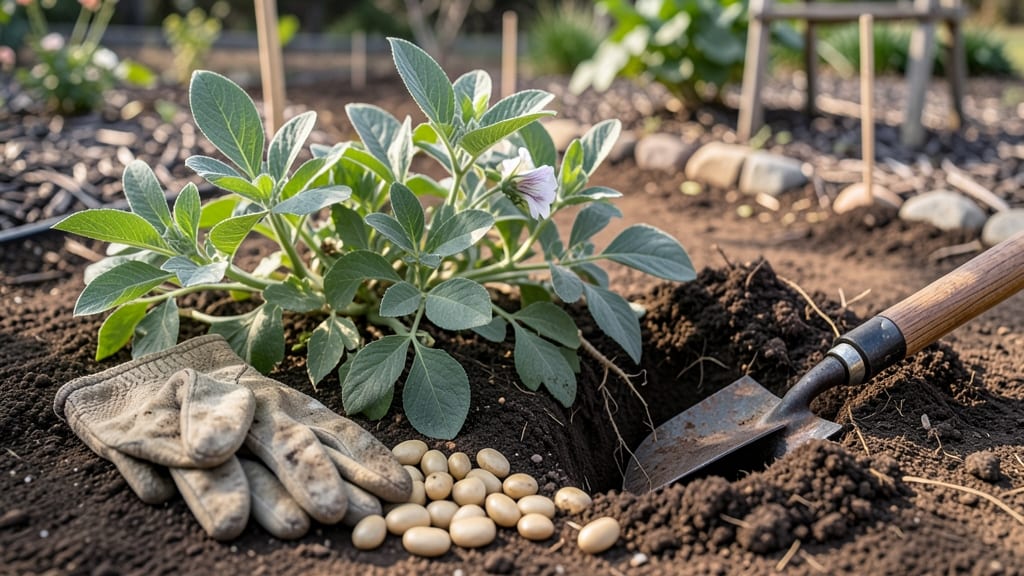
If you're growing fava beans in Zone 8, planting them at the right time can make or break your harvest—one wrong move, and you'll end up with bitter, bolted pods instead of tender, flavorful beans.
The key to success lies in understanding when to plant fava beans in Zone 8, whether you're aiming for a fall crop or an early spring harvest.
Fall plantings are your best bet for avoiding bolting, as cooler temperatures slow down growth and prevent premature flowering. But spring plantings can also work if you time them right, just before the last frost date of February 15.
I'll break down the exact windows for both seasons so you can plan with confidence.
Why does timing matter so much? Fava beans are sensitive to heat, and planting too early in spring or too late in fall can trigger bolting—the plant's way of rushing to flower before producing pods.
The right approach ensures you get a steady supply of fresh, zero-bolt beans from late spring to early summer.
In this guide, I'll walk you through the ideal planting schedule, soil prep tips, and how to adjust for your local microclimate. Whether you're a seasoned gardener or just starting out, these insights will help you grow fava beans like a pro in Zone 8.
Zone 8 fava bean planting timeline: fall vs spring for maximum yield
Fava beans thrive in Zone 8's mild winters and warm springs, but timing is everything to avoid bolting—when plants flower prematurely and produce tough pods.
The key is planting when soil temps hover between 40°F and 60°F, a window that opens twice a year: fall and early spring. Miss these windows, and you risk bitter, fibrous harvests or no pods at all.
In Zone 8, your last frost date typically falls around February 15, while the first frost arrives by November 15. This gives you a 240-day frost-free season, perfect for two planting cycles.
Fall plantings mature before winter, while spring plantings align with cooler soil temps to delay bolting. Let’s break down the best months for each strategy.
🌱 Visual Guide: Fall vs Spring Planting Comparison
For fall plantings, aim to sow seeds 6–8 weeks before your first frost (around September 15–October 15 in Zone 8).
This gives plants enough time to establish roots and mature before winter slows growth. Soil temps above 65°F in late summer can trigger bolting, so avoid planting after mid-August. Start with cold-hardy varieties like 'Aquadulce Claudia' or 'Himalaya' for best results.
Spring plantings should begin 4–6 weeks before your last frost (around March 1 in Zone 8). Wait until soil temps drop below 60°F to prevent bolting. If you plant too early in warm soil, your fava beans will bolt within 3–4 weeks, leaving you with no harvestable pods.
Use shade cloth or mulch to keep soil cool during germination if needed.
Zone 8 gardeners often overlook succession planting, but it’s a game-changer for fava beans. After your initial fall or spring planting, sow small batches every 2–3 weeks to extend your harvest.
For example, plant half your seeds in September and the other half in mid-October for staggered maturity. This ensures a steady supply of tender pods instead of one overwhelming harvest.
One critical mistake I see in Zone 8 gardens is planting fava beans too close to frost dates. If you sow seeds in late October or November, they’ll struggle to mature before winter.
Instead, focus on September–October for fall and March–early April for spring. Always check your local microclimate—valleys and low spots frost earlier than hillsides, so adjust your timeline accordingly.
To maximize yield, pair your fava bean planting with soil preparation. Fava beans thrive in well-draining, slightly acidic soil (pH 6.0–7.0). Before planting, amend your soil with compost or aged manure to improve fertility.
Since fava beans are nitrogen-fixers, they don’t need heavy fertilization, but a light application of phosphorus (like bone meal) at planting can boost early growth.
If you’re new to growing fava beans, start small with 5–10 plants to test your timing. Keep a planting journal to track soil temps, frost dates, and harvest success. Over time, you’ll refine your schedule to perfection.
For example, I planted my first batch in late September last year and harvested tender pods from December through February—a full 3-month harvest from a single planting!
Remember, bolting is the enemy of tender fava bean pods. The goal is to keep plants cool and slow-growing until they’re ready to harvest. With the right timing, you’ll enjoy sweet, zero-bolt pods twice a year in Zone 8. Happy planting! 🌿
Zone 8 fava bean planting timeline: fall vs spring for maximum yield
In Zone 8, fava beans thrive best when planted during two key windows: late summer/fall for winter harvests and early spring for summer production. The last frost date of February 15 and first frost around November 15 define your planting boundaries.
Fall plantings give you a head start, while spring plantings risk bolting if timed poorly.
I’ve grown fava beans for years in Zone 8, and the sweet spot for zero-bolt harvests lies in September-October for fall and March-April for spring.
These windows balance soil warmth and cooling temperatures to prevent premature flowering. Let’s break down the exact months, soil temps, and frost risks for each season.
For fall plantings, aim to sow seeds 6-8 weeks before your first frost. In Zone 8, that’s typically late September to early October. The goal is to establish roots before winter dormancy begins. Use a row cover if temperatures dip below 40°F to protect young plants.
Spring plantings should happen 4-6 weeks before your last frost date, so mid-March to early April works best. Plant too early, and warm spells can trigger bolting. Too late, and you’ll miss the 60-90 day growth window needed for harvest. Test soil temps—50-60°F is ideal for germination.
Pro tip: In Zone 8, succession plant every 2-3 weeks in fall for staggered harvests. This extends your yield and reduces bolting risk. Always choose cold-hardy varieties like 'Aquadulce Claudia' or 'Himalaya' for fall success.
Remember, bolting prevention starts with timing. Plant too early in spring or too late in fall, and you’ll end up with bitter, woody pods instead of tender beans. Stick to these windows, and you’ll enjoy a zero-bolt harvest from late spring to early summer.