
Plants
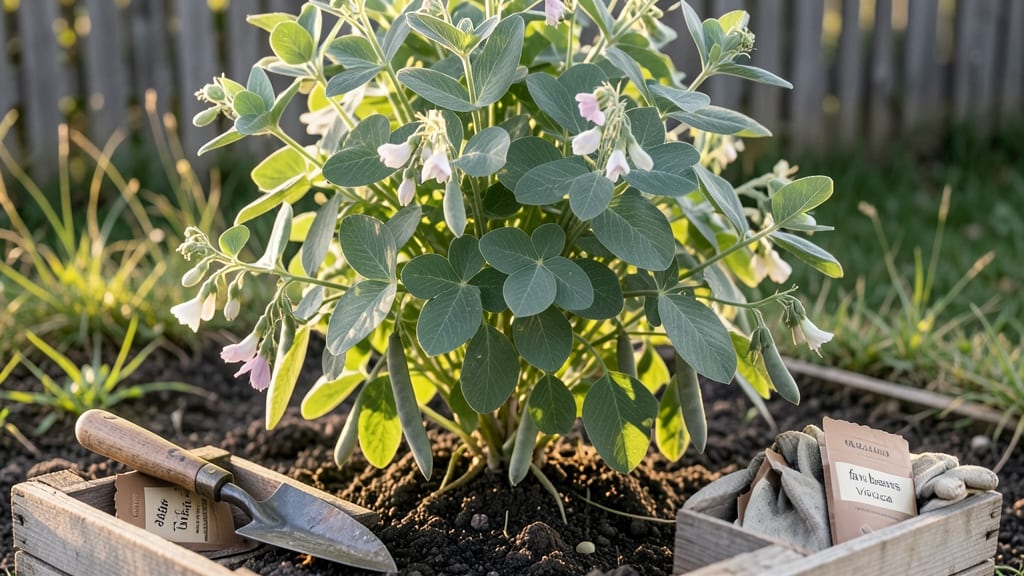
If you’ve ever wondered when to plant fava beans in California, timing isn’t just about the calendar—it’s about avoiding the 3 PM summer heat that can turn your garden into a crispy fava bean graveyard.
These hardy legumes 🌱 love cool weather, but California’s coastal breezes and inland valleys create wildly different rules.
In milder coastal zones like San Francisco, you’ve got a 6-week window from October to November—plant too early, and frost sneaks in; too late, and spring warmth zaps your crop. Meanwhile, inland valleys? You’re racing against first frost dates that hit as early as mid-November, making December–February your sweet spot.
Here’s the game-changer: soil temperature matters more than your thermometer. Fava beans need 40–50°F soil to germinate, which coastal areas hit by late fall but inland zones might not see until winter.
We’ll break down exactly how to read your local microclimate—because a 3-inch difference in soil warmth can mean the difference between a bumper crop and a bust.
Ready to skip the guesswork? I’ll walk you through 3 foolproof planting strategies, from companion plants that boost yields to spacing tricks that keep your garden tidy. Let’s get those fava beans in the ground the right way—once and for all.
Best planting times for fava beans in California’s coastal vs inland regions
California’s diverse climate means your fava bean planting window depends on whether you’re in mild coastal areas or frost-prone inland valleys. Coastal regions like San Francisco or Los Angeles enjoy longer growing seasons, while inland zones like the Central Valley face earlier frosts.
Understanding these differences ensures your fava beans thrive and produce a bountiful harvest.
For coastal California, the ideal planting time spans from October through December, allowing beans to mature before summer heat arrives. In contrast, inland valleys should plant between September and November to avoid late-season frost damage.
The key is planting 4–6 weeks before your area’s first frost, giving plants enough time to establish roots and produce pods.
Here’s how the optimal planting windows compare across California’s microclimates:
| Region | Optimal Planting Window | Soil Temperature Threshold | Frost Risk |
|---|---|---|---|
| Coastal (San Francisco, LA) | October–December | 50–60°F (10–15°C) | Low (Jan–Feb) |
| Inland Valleys (Sacramento, Fresno) | September–November | 45–55°F (7–13°C) | High (Nov–Mar) |
| Desert (Palm Springs) | October–November | 55–65°F (13–18°C) | Moderate (Dec–Jan) |
If you live in coastal areas, you can even try a late-spring planting (March–April) for a summer harvest, though yields may be smaller due to heat stress. For inland gardens, focus on fall planting—this ensures plants mature before winter frosts hit.
Always check your local frost dates using the USDA Plant Hardiness Zone Map or your Cooperative Extension office.
Another critical factor is soil temperature. Fava beans germinate best when soil reaches 50–60°F (10–15°C). Use a soil thermometer to monitor conditions, especially in cooler inland regions. If soil is too cold, seeds may rot instead of sprouting.
In warmer coastal zones, you can plant slightly earlier, but avoid planting when daytime temperatures exceed 85°F (29°C), as this stresses young plants.
For maximum yields, aim to harvest your fava beans between March and May. This timing aligns with California’s cool, wet winter months, which are ideal for bean growth.
Coastal gardeners can extend their harvest into early summer, while inland growers should prioritize fall planting for a spring harvest. Always soak seeds overnight before planting to speed up germination and give your beans a head start.
Pro tip: Pair your fava beans with companion plants like lettuce or spinach to maximize space and improve soil health. These plants thrive in similar conditions but won’t compete for nutrients. Just avoid planting near onions or garlic, as they can stunt fava bean growth.
With the right timing and care, your California garden can yield abundant, protein-rich fava beans season after season.
🌱
Best planting times for fava beans in California’s coastal vs inland regions
California’s diverse climate means your fava bean planting schedule should depend on whether you’re in coastal zones like San Diego or inland valleys near Fresno. Coastal areas enjoy milder winters, while inland regions face earlier frosts and hotter summers.
The key? Planting when soil temperatures hit 40–50°F—coastal gardens often achieve this by late October, while inland zones may need to wait until December.
For coastal California, aim for October 15–November 15. This window lets your fava beans establish roots before winter rains set in, and they’ll mature just in time for spring harvests.
Inland areas should plant December 1–January 15 to avoid early frosts that can damage young plants. Both regions can attempt a late-spring planting (March–April), but yields may suffer in inland heat.
Here’s the critical difference: coastal fava beans often overwinter successfully, while inland plants may need row covers or cold frames to protect them from sudden temperature drops.
Your local USDA hardiness zone (e.g., 9b for coastal, 8a for inland) is your best guide—check the California Climate Smart Agriculture Toolkit for precise frost dates in your area.
Pro tip: Soak your seeds overnight before planting to speed up germination, especially in cooler inland soils. Coastal gardeners can also direct-sow seeds 1 inch deep, while inland growers may prefer starting seeds indoors 4–6 weeks before the outdoor window to give them a head start.
Remember, fava beans are cool-season crops, so avoid planting when daytime temps exceed 75°F. Inland areas should prioritize fall planting over spring, as summer heat will stress the plants.
If you’re in a transitional zone (like the Bay Area), test your soil temperature with a soil thermometer—it’s the only way to know for sure when conditions are perfect.
Once you’ve nailed your planting window, pair your fava beans with companion plants like spinach or lettuce to maximize space and deter pests. Just don’t plant them near onions or garlic—they’ll stunt your bean growth!
With the right timing, you’ll be harvesting fresh, protein-rich pods by late spring, ready for stir-fries or steamed sides.