
Vegetables
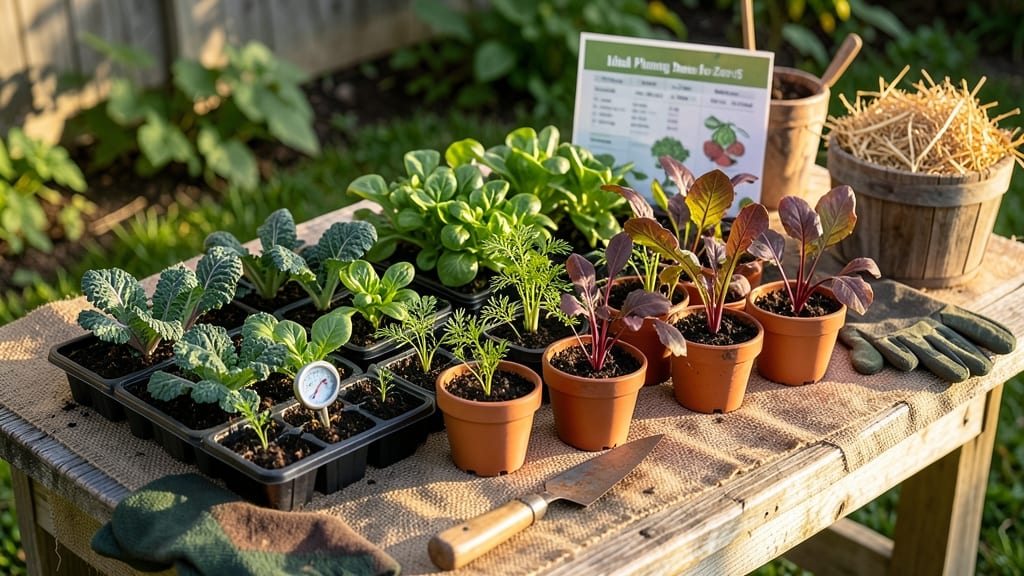
Timing when to plant fall vegetables in Zone 5 can mean the difference between a bountiful harvest and wasted effort—get it wrong, and you might end up with bitter greens or stunted roots before the first frost.
I’ve learned the hard way that rushing or delaying planting throws off the whole growing season, but with the right schedule, you can enjoy fresh produce well into winter.
Zone 5 gardeners face unique challenges: shorter growing seasons and unpredictable frost dates. The key isn’t just guessing when to plant—it’s understanding how many weeks before your first frost each crop needs to mature.
Whether you’re growing leafy greens like spinach or heartier crops like kale, knowing these exact windows ensures you’ll have a steady supply of homegrown goodness.
What if you could extend your harvest even further? By adjusting planting dates based on soil temperature and using frost protection, you can push your garden’s limits. I’ll walk you through the best strategies to maximize your fall harvest, so you’re not left scrambling when the first cold snap hits.
From fast-maturing radishes to cold-hardy Brussels sprouts, I’ll break down the best vegetables for your Zone 5 garden and how to time their planting for success. Let’s make sure your fall garden thrives—no more wasted seeds or missed opportunities!
Exact weeks before frost for planting fall vegetables in Zone 5
Understanding Zone 5's average first frost date (typically mid-October) is the foundation of successful fall planting. Most gardeners aim to plant 8-12 weeks before frost, but this varies by crop.
For example, leafy greens like spinach can tolerate light frost, while warm-season crops like tomatoes need a longer growing window. The key is matching your plant's maturity time with your region's frost timeline.
I always start by checking my local frost-free days—Zone 5 typically has about 140-160 days between last spring frost and first fall frost. This gives me a clear window to plan.
For instance, if my first frost is October 15, I'll work backward: fast-maturing crops (30-45 days) go in early August, while slow growers (60+ days) need to be in by mid-July. This ensures they mature before cold sets in.
Here’s my go-to planting schedule based on average Zone 5 frost dates, organized by crop type. The table below breaks down exact weeks before frost for reliable harvests, including my top picks for each category.
| Crop Category | Planting Window (Weeks Before Frost) | Best Varieties for Zone 5 | Notes |
|---|---|---|---|
| Leafy Greens | 8-12 weeks | Spinach, Kale, Lettuce, Swiss Chard | Cold-hardy; can handle light frost |
| Brassicas | 10-14 weeks | Broccoli, Cabbage, Brussels Sprouts, Cauliflower | Slow to mature; needs warm soil |
| Root Vegetables | 10-12 weeks | Carrots, Beets, Radishes, Turnips | Plant seeds directly; avoid transplant shock |
| Alliums | 8-10 weeks | Onions, Garlic, Leeks, Green Onions | Bulbs tolerate cold; harvest before ground freezes |
| Peas & Beans | 6-8 weeks | Sugar Snap Peas, Shelling Peas, Bush Beans | Fast growers; plant late summer for fall harvest |
For leafy greens like spinach, I plant seeds 8-10 weeks before frost (early to mid-August in Zone 5). These crops thrive in cooler weather and can even survive light frost, making them ideal for extending your harvest.
I’ve found that 'Winterbor' kale and 'Bloomsdale Long Standing' lettuce are my top performers—they mature quickly and handle cold snaps beautifully.
When it comes to brassicas like broccoli and cabbage, timing is critical. These plants need 10-14 weeks to mature, so I start seeds indoors in early July or transplant seedlings by mid-July.
Varieties like 'Waltham' broccoli and 'Golden Acre' cabbage are my go-tos—they’re reliable and can handle brief frost once established. I always mulch heavily around the base to protect roots from temperature swings.
Root vegetables like carrots and beets should be planted 10-12 weeks before frost (late July to early August). The key here is direct sowing—transplants often struggle. I use 'Danvers' carrots and 'Detroit Dark Red' beets because they mature quickly and store well in cool conditions.
For best results, I keep the soil consistently moist but not waterlogged, as uneven watering can cause forking in carrots.
Don’t overlook alliums like onions and garlic, which are surprisingly cold-hardy. I plant sets or seeds 8-10 weeks before frost (late July to early August) for a fall harvest. 'Red Baron' onions and 'German White' garlic are my favorites—they bulb up well in cool weather.
A pro tip: I always add a compost-rich mulch to insulate the soil and prevent bolting.
For fast-maturing crops like peas and beans, I push the envelope by planting 6-8 weeks before frost (late August to early September). 'Sugar Snap' peas and 'Provider' bush beans are my top picks—they mature in 50-60 days and can handle light frost.
I use row covers to extend the season if temperatures dip unexpectedly. These crops are perfect for succession planting if you want a late-season boost.
One of my biggest mistakes early on was planting warm-season crops like tomatoes too late in the fall. While it’s possible to get a harvest with fast-maturing varieties (
Exact weeks before frost for planting fall vegetables in Zone 5
Zone 5 gardeners face a 100-120 day growing season after the last spring frost, making precise timing critical for fall vegetables. The average first frost date in Zone 5 is October 15th, but this varies by 5-7 days annually.
To ensure harvests before winter, aim to plant 4-8 weeks before frost, depending on the crop's days to maturity.
Leafy greens like spinach and kale thrive with 30-50 days to maturity, while root vegetables such as carrots and beets need 50-70 days. Brassicas like broccoli and cabbage require 60-80 days, so they need an earlier start. Understanding these windows lets you sequence plantings for continuous harvests.
| Vegetable | Days to Maturity | Weeks Before Frost | Planting Window |
|---|---|---|---|
| Spinach | 30-40 | 4-5 | Late July - Early August |
| Kale | 45-60 | 6-7 | Mid-July - Late July |
| Carrots | 50-70 | 7-8 | Late June - Early July |
| Broccoli | 60-80 | 8-9 | Early July |
| Lettuce | 30-50 | 4-6 | Late July - Mid-August |
For fast-maturing crops like lettuce and radishes, you can even plant as late as mid-August—they’ll tolerate light frosts and may even sweeten up after a frost. However, slow-growing crops like Brussels sprouts (90-120 days) need to start by mid-June to mature before winter.
Always check seed packets for specific variety details, as some cold-hardy varieties can handle 20°F temperatures.
Soil temperature also plays a role—most fall crops prefer 50-70°F soil. Use a soil thermometer to confirm readiness, especially for root vegetables. If your soil cools too quickly, opt for warmer-starting varieties or use black plastic mulch to retain heat.
This simple adjustment can add 1-2 extra weeks of growing time.
Pro tip: Plant succession crops every 2 weeks to extend your harvest. For example, sow a batch of spinach in late July, another in early August, and a final one in mid-August.
This ensures a continuous supply until hard frosts arrive. Pair this with frost-resistant varieties like 'Winter Density' kale or 'Red Ruby' turnips for maximum resilience.
Remember, overcrowding slows growth and increases disease risk. Follow recommended spacing—12-18 inches apart for brassicas, 2-4 inches for leafy greens—to give plants room to thrive. Proper spacing also improves air circulation, reducing the chance of fungal issues like downy mildew in damp fall weather.