
Plants
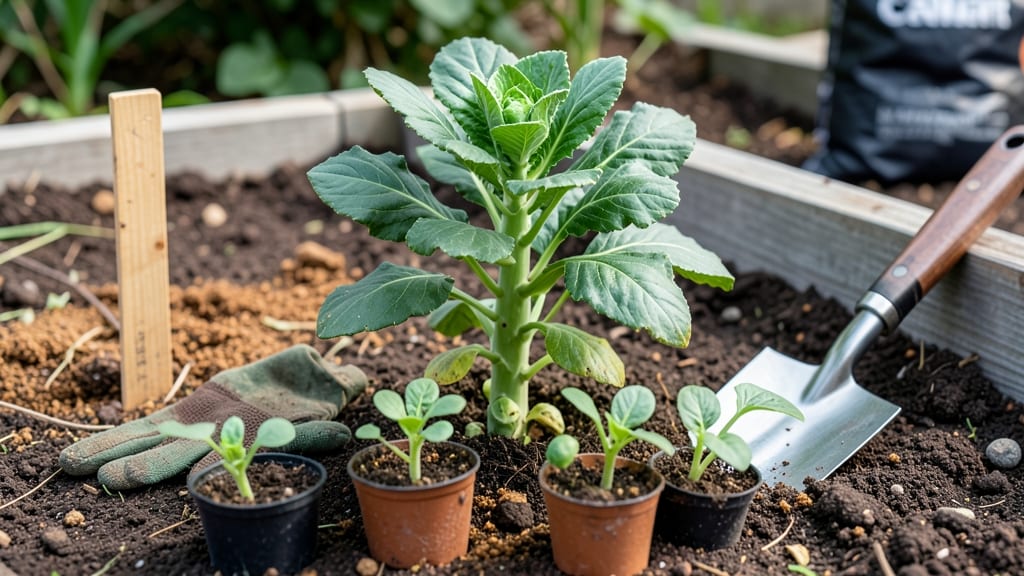
If you're dreaming of a bountiful harvest of crisp, flavorful 🥦 brussel sprouts in Kansas, timing your planting is the most important step—get it wrong, and you might end up with bitter, frost-damaged crops instead of the delicious veggies you crave.
Kansas’ USDA Zones 5b-7a offer the perfect climate for these cool-season favorites, but the 60-day window between spring and fall planting can feel like a tightrope walk.
Whether you're a seasoned gardener or just starting, knowing when to plant—from mid-April to mid-June for spring or mid-July to early August for fall—makes all the difference in avoiding early frost or stunted growth.
I’ve spent years perfecting my own Kansas garden, and what I’ve learned about frost dates, soil prep, and variety selection will help you avoid common mistakes.
Let’s break down the exact dates, soil needs, and even companion plants that’ll set you up for success—so you can enjoy homegrown brussel sprouts from October through December.
Ready to transform your garden? Stick around, and I’ll share the game-changer tips that’ll have your brussel sprouts thriving—no matter which part of Kansas you’re in.
Kansas Brussels sprouts planting calendar: exact dates by Zone 6 deadlines
Kansas’ Zone 6 climate gives you two prime windows to grow Brussels sprouts: spring and fall. But timing is critical—plant too early, and frost will damage tender seedlings; too late, and your crop won’t mature before winter.
The key is aligning your planting schedule with last frost dates (typically April 15) and first frost dates (around October 15).
For a fall harvest, most Kansas gardeners aim to plant between mid-July and early August. This ensures sprouts mature by October-December before hard frosts hit.
Spring planting, however, is trickier—you’ll need to start seeds indoors 6-8 weeks before your last frost (around March 15-April 1) and transplant outdoors after April 15.
Miss these deadlines, and you risk bitter-tasting sprouts or stunted growth. The 90-day maturity window for most varieties means you must calculate backward from your first frost date.
For example, if frost arrives October 15, your plants need to be in the ground by July 15 to reach harvest size.
Here’s a quick breakdown of your Kansas planting timeline:
| Planting Window | Action | Notes |
|---|---|---|
| Spring Planting | Start seeds indoors March 15-April 1 | Transplant outdoors after April 15 (last frost) |
| Fall Planting | Direct sow mid-July to early August | Aim for harvest before first frost (Oct 15) |
| Harvest Window | October-December | Pick when sprouts are 1-1.5 inches and firm |
| Soil Prep | Test pH (6.0-7.0) and amend with compost | Brussels sprouts love well-draining, fertile soil |
| Spacing | 18-24 inches apart | Gives plants room to grow 2-3 feet tall |
If you’re new to growing Brussels sprouts, fall planting is often easier. The cooler temperatures reduce pest pressure, and you avoid the early-season bolting that can happen with spring starts. However, spring planting can yield an earlier harvest if you’re patient with seed starts.
Pro tip: Use row covers in early spring or late fall to extend your growing season by 2-3 weeks. This is especially useful if you’re pushing the limits of your planting window. Just remove covers during the day to prevent overheating.
For Kansas gardeners, the July-August window is your best bet for a reliable fall crop. But don’t wait until mid-August—sprouts need at least 90 days to mature, and late starts won’t make the cut. Plan ahead, and you’ll enjoy homegrown Brussels sprouts straight from your garden!
Remember, soil temperature matters too. Brussels sprouts prefer 45-85°F soil. If your soil is still cold in spring, wait until it warms up to 50°F before planting. A soil thermometer is your best friend here!
🥦
How to adjust planting times for Kansas’ unpredictable weather patterns
Kansas’ weather can throw a curveball—one week of unseasonable warmth can turn into a hard freeze the next, leaving your brussel sprouts vulnerable. The key to success? Flexibility and preparation.
If you’re planting in spring, push back your schedule if late frosts linger past mid-April. For fall plantings, have a backup plan for early frosts by mid-October.
I’ve learned the hard way that row covers are my best friend in Kansas. A simple floating row cover can extend your harvest window by 2-3 weeks in both spring and fall. For example, if a late frost threatens in May, toss a cover over your seedlings to shield them from 28°F temperatures. Just
Another trick? Stagger your plantings. Instead of sowing all your seeds at once, space them out in 2-week intervals from mid-April to mid-June. This way, if one batch gets nipped by frost, you’ll still have others maturing. For fall plantings, aim for mid-July to early August, but keep an eye on first frost dates—they can vary wildly across Kansas.
Choosing the right variety also makes a difference. Early-maturing varieties like 'Long Island Improved' (ready in 85 days) give you a safety net if summer heat arrives early. Meanwhile, mid-season varieties like 'Ruby Ball' (ready in 95 days) are better for fall plantings when days grow shorter.
Always check the days-to-maturity label and count backward from your expected frost date.
Here’s a pro tip: Use a soil thermometer. Brussels sprouts thrive when soil temps hit 40°F. If your soil is still too cold in early spring, wait—planting too soon can stunt growth.
In my garden, I’ve seen seedlings bolt (send up flowers) when soil temps spike to 80°F in late spring, so I avoid planting after June 15 unless I’m using shade cloth.
For urban gardeners or those with limited space, container growing is a game-changer. Move pots to a sunny patio or balcony in the morning and bring them indoors at night if frost is forecasted.
Just ensure your containers have drainage holes and use a lightweight potting mix to prevent root rot.
Finally, don’t underestimate the power of companion planting. Pair your brussel sprouts with bush beans or lettuce to maximize space and deter pests. Avoid planting near tomatoes or strawberries, which can compete for nutrients or attract the same pests.
With these adjustments, you’ll turn Kansas’ unpredictable weather into an advantage.
⚠️ Watch for False Springs
Kansas is notorious for false springs—warm spells followed by sudden freezes. If you plant too early and a 28°F frost hits, your seedlings can die back to the ground. Wait until after the last frost date (usually April 15 in most of Kansas) or use row covers for extra protection.