
Vegetables
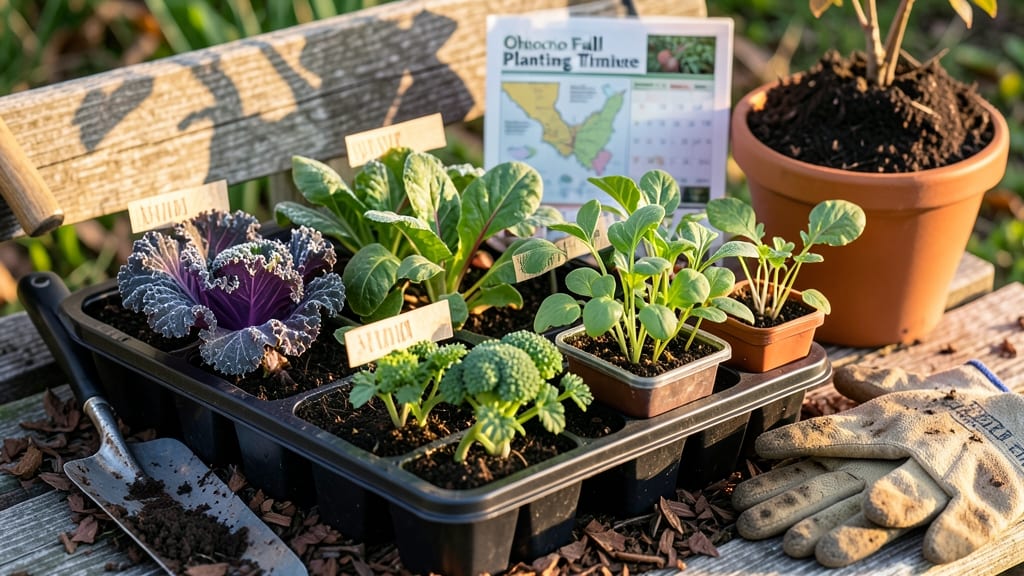
Timing your fall vegetable planting in Ohio could mean the difference between a bountiful harvest and wasted effort—especially when frost sneaks in earlier than expected.
Ohio’s Zone 6a climate demands precision, but mastering the 4-6 week window before first frost (late July to early August) unlocks a treasure trove of crisp, flavorful produce like kale, carrots, and broccoli.
Most gardeners overlook how microclimates across Ohio—from colder northern regions to milder southern areas—shift planting deadlines by weeks. Without the right timing, even hardy 🥬 fall vegetables can bolt or succumb to frost before reaching maturity.
The key? Understanding your local frost dates and selecting crops that thrive in Ohio’s 60-day growing window.
I’ve tested these strategies in my own garden, and the results speak for themselves: faster growth, fewer losses, and harvests that last well into November. Whether you’re a seasoned gardener or just starting, this guide will help you avoid common pitfalls and maximize your fall garden’s potential.
Let’s dive into the exact dates, crop choices, and pro tips that will turn your Ohio garden into a fall harvest goldmine—without the guesswork. Ready to get started?
Ohio’s fall planting timeline: exact dates by region for 60-Day harvests
Ohio’s fall planting window is a tight race against frost, but with the right timing, you can enjoy fresh vegetables well into winter. The key is planting 4-6 weeks before your first frost date, which varies by region.
Northern Ohio’s cooler climate demands earlier starts, while Southern Ohio can push planting later into August.
For most of Ohio, the first frost typically arrives between mid-October and early November. To ensure a 60-day harvest window, aim to plant by late July in the North and early August in the South.
This timeline accounts for Ohio’s USDA Zones 5-6 and the need for soil temperatures above 50°F for seed germination.
Here’s how to break it down by region—because a 50-mile difference can mean weeks of variance in frost dates:
| Region | First Frost Date | Ideal Planting Window | Soil Temp Threshold | Example Crops |
|---|---|---|---|---|
| Northern Ohio (e.g., Cleveland, Toledo) | October 15 | Late July - Early August | 50°F+ | Broccoli, Kale, Spinach, Carrots |
| Central Ohio (e.g., Columbus, Dayton) | October 22 | Early August - Mid-August | 50°F+ | Lettuce, Radishes, Turnips, Swiss Chard |
| Southern Ohio (e.g., Cincinnati, Lexington) | November 1 | Mid-August - Late August | 50°F+ | Green Onions, Peas, Beets, Arugula |
*Adjust planting dates 1-2 weeks earlier if your area has a history of early frosts.
If you’re transplanting seedlings instead of direct-sowing, start them indoors 4-6 weeks before your outdoor planting window. For example, in Northern Ohio, begin seedlings indoors by mid-June for a late July transplant. This head start helps compensate for Ohio’s cool nights and variable weather.
Pro tip: Use a soil thermometer to confirm temperatures are ideal before planting. Cool, wet soil can delay germination, and slow starts mean missed harvests. Aim for consistent 60°F+ soil temps for best results with seeds like lettuce or spinach.
Don’t overlook microclimates—southern exposures, urban heat islands, or low-lying areas can delay frost by 1-2 weeks. If your garden sits in a warmer microclimate, you might safely plant 2 weeks later than the regional average.
For hardy crops like kale or carrots, you can even push planting into early September if you use row covers or cold frames. These tools add 4-6°F of protection, extending your harvest window by 2-3 weeks.
Remember, Ohio’s fall weather is unpredictable. Always have a backup plan, like a second planting of fast crops (e.g., radishes or arugula) if your first batch faces early frost. The goal is to maximize your harvest before winter sets in—not just hit a single date.
Best fall vegetables for Ohio gardens: fast-growing crops that beat frost
Ohio’s short fall season demands fast-growing vegetables that mature in 60 days or less before the first frost. The right crops can turn your garden into a harvest goldmine even as temperatures drop.
My top picks thrive in Ohio’s USDA Zone 5-6 climate, offering crisp greens, sweet roots, and hearty brassicas that tolerate light frosts. These varieties are battle-tested for Ohio’s unpredictable fall weather, from sudden cold snaps to early freezes.
I’ve ranked these cool-season crops by their ability to outpace frost, yield potential, and ease of cultivation. Whether you’re a beginner or a seasoned gardener, these plants deliver reliable harvests when planted at the right time.
The key? Choosing varieties with short maturity dates and hardiness ratings that match Ohio’s fall conditions. Let’s dive into the top 10 fall vegetables that will keep your kitchen stocked long after summer’s over.
🌱 Top 10 Fast-Growing Fall Vegetables for Ohio
- 1. Spinach – 30-40 days | Thrives in cool weather; harvest leaves as needed. 🌿
- 2. Kale – 45-55 days | Sweetens after frost; cut-and-come-again harvest. 🥬
- 3. Lettuce (Leaf & Head) – 25-50 days | Choose cold-hardy varieties like ‘Winter Density.’ 🥗
- 4. Carrots – 50-60 days | Plant early August for harvest before hard frost. 🥕
- 5. Radishes – 20-30 days | Fastest crop on this list; great for succession planting. 🌱
- 6. Broccoli – 50-65 days | Transplant starts in early August for fall harvest. 🥦
- 7. Beets – 45-60 days | Harvest greens or roots; both are edible. 🍠
- 8. Turnips – 30-50 days | Roots and greens are delicious; cold-hardy. 🥬
- 9. Swiss Chard – 40-50 days | Stays productive well into winter with protection. 🌿
- 10. Green Onions – 50-60 days | Regrow from scraps; harvest as needed. 🌱
For maximum frost protection, I recommend row covers or cold frames for crops like kale and spinach, which can survive light frosts but struggle with hard freezes. Radishes and lettuce are my go-to quick harvest crops—perfect for beginners or gardeners with limited space.
Meanwhile, broccoli and carrots need a slightly longer growing window, so I plant them 4-6 weeks before the first frost date (typically late July to early August in Ohio).
Avoid these crops in Ohio’s fall garden: Tomatoes, peppers, and cucumbers—they’re warm-season lovers that bolt or rot in cool weather. Instead, focus on cool-season staples like kale, carrots, and spinach, which thrive in 50-60°F soil and tolerate light frosts. Pro tip: Succession plant fast growers like radishes and lettuce every 2 weeks for a continuous harvest until frost.
If you’re pushing the season later into fall, hardy greens like Swiss chard and kale become your best friends. These frost-sweetened crops actually taste better after a light freeze!
Just be sure to harvest before hard frost (below 25°F) hits, or use row covers to extend the season by 2-4 weeks. With the right crop selection and timing, your Ohio fall garden can be just as productive as your summer one.