
Plants
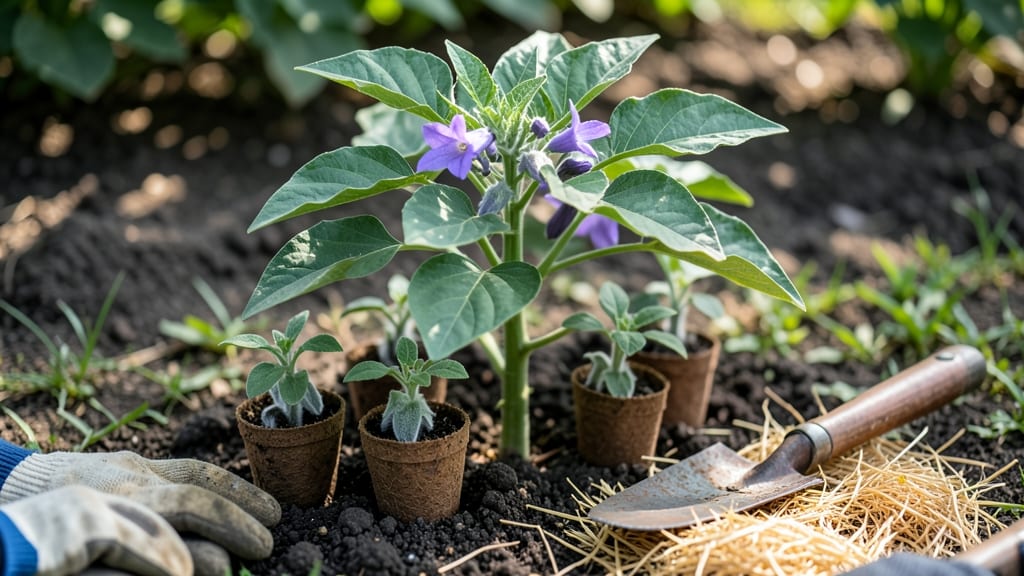
If you’ve ever planted eggplant in Zone 7 only to watch your 🍆 plants wilt from a late frost, you’re not alone—timing is everything for these heat-loving veggies. The difference between a thriving harvest and a failed attempt often comes down to knowing the exact frost-free window for your microclimate.
In Zone 7, eggplants need warm soil (at least 70°F) and no frost risk to take off, which typically means waiting until late April to early June. But your local conditions—like urban heat islands or mountain foothills—can shift those deadlines by weeks.
I’ll break down the precise planting windows, soil prep secrets, and how to adjust for your specific corner of Zone 7.
Whether you’re starting seeds indoors or transplanting young plants, this guide covers everything you need to avoid common mistakes and maximize your eggplant yield. Let’s get those 🍆 growing strong from day one!
You’ll also discover how to extend the season with mulch, shade cloth, and other pro tips—because even in Zone 7, unpredictable springs can throw off your best-laid plans. Ready to turn your garden into an eggplant powerhouse?
Zone 7 eggplant planting deadlines: exact dates by last frost risk
Eggplants are heat-loving plants that wilt in cold soil, so getting your Zone 7 planting timing right is critical. The average last frost date in Zone 7 is April 15, but don't rush—eggplants need warm soil (70°F+) and consistent warmth to thrive.
Planting too early risks stunted growth or death from unexpected frosts.
Most gardeners in Zone 7 start eggplants indoors 8-10 weeks before the last frost date, then transplant after May 15 when soil temperatures stabilize. For direct sowing (less common), wait until mid-to-late May when nighttime temps stay above 55°F consistently.
Your exact planting window depends on your local microclimate. Coastal areas may be 1-2 weeks earlier than inland regions, while high-altitude zones (e.g., Piedmont foothills) might need to delay until early June to avoid late frosts.
Here’s a quick reference for Zone 7 eggplant planting deadlines based on your region’s typical frost patterns:
| Region Type | Last Frost Date | Ideal Transplant Window | Soil Temp Threshold |
|---|---|---|---|
| Coastal Lowlands | April 1-15 | May 1-15 | 70°F+ |
| Urban Heat Islands | April 15-30 | May 10-25 | 68°F+ |
| Inland Valleys | April 15-May 1 | May 15-June 1 | 72°F+ |
| High-Altitude Foothills | May 1-15 | June 1-15 | 75°F+ |
For early varieties (e.g., 'Black Beauty'), aim for May 1-15 transplants. Late-season varieties (e.g., 'Ichiban') can handle June 1-15 starts but may need row covers for extra warmth. Always check your local frost data—tools like the National Weather Service or Almanac’s Frost Calculator provide hyper-local insights.
Pro tip: Use a soil thermometer to confirm warmth before planting. Eggplants won’t germinate in soil below 60°F, and seedlings may rot in cold, wet soil. If your soil isn’t ready, opt for container growing in pots you can move to sunnier spots or bring indoors at night.
In Zone 7, your eggplant’s harvest window typically runs from July to October. To maximize yield, plan for succession planting: Start a second batch of seedlings in late June for a fall harvest before the first frost (October 30 average).
This works best with compact varieties like 'Fairy Tale' or 'Rosa Bianca', which mature faster.
Remember: Eggplants are short-day plants, meaning they flower and fruit best when daylight shortens in late summer. If you’re in a hot, humid climate (e.g., Atlanta or Raleigh), prioritize evening watering and shade cloth during peak heat to prevent stress.
🌱
How to adjust eggplant planting for Zone 7 microclimates: heat zones and altitude
Zone 7’s diverse microclimates—from urban heat islands to mountain foothills—can shift your eggplant’s ideal planting window by weeks or even months.
If you live in a lowland area like North Carolina’s Coastal Plain, you might plant as early as mid-April, while high-altitude spots in the Appalachians may need to wait until late May. Understanding these variations helps you avoid cold snaps or heat stress.
Urban gardeners often face heat islands where pavement and buildings trap warmth. This can push your planting window 1-2 weeks earlier than rural areas. For example, Atlanta’s city center may support eggplants by April 20, while nearby rural farms might wait until May 5.
Always check your local microclimate maps or use a soil thermometer to confirm readiness.
Coastal areas in Zone 7, like Virginia Beach, benefit from moderate temperatures and humidity, allowing earlier planting. However, salt spray and sandy soil can stress plants, so amend soil with organic matter and use mulch to retain moisture.
Inland areas, like the Piedmont region, experience more temperature swings, so stagger plantings to account for late frosts.
Zone 7 Eggplant Planting by Microclimate
Urban Heat Islands
- ✅ Pros: Warmer soil, earlier planting
- ✅ Pros: Extended growing season
- ✅ Pros: Less frost risk
Mountain Foothills
- ✅ Pros: Cooler nights, slower growth
- ✅ Pros: Lower pest pressure
Coastal Areas
- ⚠️ Cons: Salty soil risks
- ⚠️ Cons: Humidity increases fungal diseases
Inland Valleys
- ⚠️ Cons: Temperature swings
- ⚠️ Cons: Late frost threats
Action Tip: Use row covers or black plastic mulch to warm soil in cooler microclimates.
For high-altitude gardens above 2,000 feet, like parts of West Virginia or Tennessee, delay planting until after Memorial Day (late May). These areas often have shorter growing seasons and cooler nights, which can stunt eggplant growth.
If you’re unsure, opt for compact varieties like ‘Fairy Tale’ or ‘Patio Baby’—they mature faster and tolerate cooler temps better.
Container gardening is a game-changer for Zone 7 microclimates with limited space or unpredictable weather. Use 5-gallon pots or larger to ensure root stability, and place containers in south-facing spots where they can absorb heat during the day.
Move pots to shadier areas in peak afternoon sun to prevent heat stress. This flexibility lets you adjust planting times based on real-time conditions.
Always monitor your local weather forecasts and historical frost data for the past 5 years. If your area has experienced late frosts in May, consider starting seeds indoors 6-8 weeks before your target transplant date.
This gives you a buffer to move seedlings outdoors once the coast is clear—literally! With the right adjustments, your eggplants will thrive regardless of whether you’re in a city oasis or a mountain meadow.