
Plants
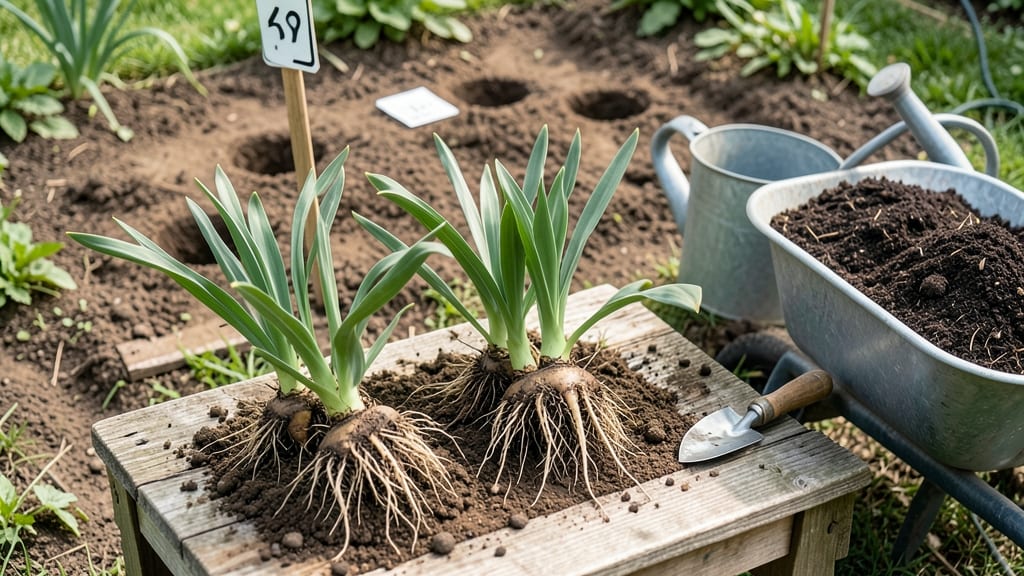
Planting daylily bulbs in Zone 8 at the wrong time can mean the difference between vibrant summer blooms and struggling plants that barely survive. These hardy perennials—often called 🌸 daylilies—need just the right window to establish strong roots before winter sets in.
In Zone 8’s mild climate, the ideal moment is 4-6 weeks before your first frost, typically late September to early November. This timing lets the rhizomes (not true bulbs!) settle in while soil temperatures stay warm enough for root growth.
Miss it, and you risk weak plants that struggle to bloom.
Why does timing matter so much? Daylilies need 6-8 weeks of root development before winter dormancy. Plant too early, and they’ll sit idle; too late, and frost can damage tender new growth. I’ll show you how to check soil readiness and adjust for your microclimate.
From soil prep to mulching tips, you’ll learn exactly how to give your daylilies the best start. Let’s get those rhizomes in the ground the right way—so you’re rewarded with bold, repeat-blooming flowers next summer.
Best fall planting window for daylily bulbs in Zone 8
First, let’s clarify: daylilies grow from rhizomes, not true bulbs. These thick, fleshy roots need time to establish before winter dormancy. In Zone 8, where first frost typically arrives around mid-November, timing is everything for success.
Planting too early (when soil temperatures stay above 60°F) risks fungal diseases, while waiting too long limits root growth before cold sets in. The sweet spot? Aim for 4–6 weeks before your average first frost date—usually late September to early November in most Zone 8 regions.
For example, if your area’s frost date is November 15, plant between October 1 and October 15. This window balances warm soil for root establishment with enough time to harden off before winter.
Pro Tip: Check your local USDA Plant Hardiness Zone map for precise frost dates—some Zone 8 microclimates (like coastal areas) may have later frosts, extending your window to early December.
| Factor | Zone 8 Ideal Range | Actionable Tip |
|---|---|---|
| Soil Temperature | 55–65°F | Use a soil thermometer to confirm—plant when temps drop below 60°F consistently. |
| Planting Window | Late Sept–Early Nov | Adjust ±2 weeks based on your frost date (check Almanac.com). |
| Depth | 1–2 inches | Rhizomes should sit just below soil level—burying too deep suffocates them. |
| Spacing | 12–18 inches apart | Gives roots room to spread—crowding leads to competing nutrients and smaller blooms. |
| Post-Planting Care | Water deeply weekly | Keep soil moist but not soggy for 4–6 weeks to encourage root growth. |
Zone 8’s mild winters mean daylilies can survive light frosts (down to 20°F for most varieties), but sudden freezes are risky. If your area has unpredictable cold snaps, plant closer to early November and add a 2–3 inch mulch layer of straw or shredded leaves to insulate rhizomes.
Another critical factor: soil drainage. Daylilies hate soggy roots, so avoid planting in low spots where water pools. Amend heavy clay soil with compost or sand to improve aeration before planting.
For container-grown daylilies, the same timing applies, but use well-draining potting mix and move pots to a sheltered location (like a garage) if temperatures drop below 25°F.
Finally, resist the urge to plant in late fall—rhizomes need 4–6 weeks of warm soil to establish roots. If you miss the window, wait until early spring (after last frost) for your second chance.
Remember: Fall-planted daylilies reward you with bigger blooms and stronger plants the following summer. With the right timing, your Zone 8 garden will burst with vibrant orange, yellow, and purple flowers from June through September!
Best fall planting window for daylily bulbs in Zone 8
Daylilies aren’t true bulbs—they’re rhizomes, and timing their fall planting is critical for Zone 8’s mild winters. The sweet spot is 4-6 weeks before your first frost, which in most of Zone 8 falls between late September and early November.
This window ensures rhizomes establish roots before dormancy but avoids the risk of frost damage.
For example, if your average first frost hits November 15, aim to plant by October 15. Check your local frost date using the USDA Plant Hardiness Zone Map—some inland areas may have earlier frosts than coastal regions.
Adjusting for your microclimate (e.g., valleys vs. hills) can make a huge difference in success.
Soil temperature is the real secret. Daylily rhizomes need soil temps between 55°F and 65°F to root actively. Below 50°F, growth slows to a crawl. Use a soil thermometer to confirm readiness—if temps drop below 55°F at planting depth (2-3 inches), wait a week or two.
Here’s a quick rule of thumb: If your mornings are cool but not frosty and daytime highs stay above 60°F, your soil is likely ready. Early planting (before soil cools) can stress rhizomes, while late planting risks frost damage before roots establish.
| Zone 8 Timing | Soil Temp | Key Action |
|---|---|---|
| Late September | 60-65°F | Plant if soil stays warm |
| October (early) | 55-60°F | Ideal window for root growth |
| October (late) | 50-55°F | Last chance before frost risk |
| Early November | Below 50°F | Avoid—roots won’t establish |
🌡️ Pro Tip: Use a soil thermometer to confirm temps before planting.
If you miss the fall window, don’t panic—daylilies can also be planted in early spring (after last frost). However, spring-planted rhizomes may bloom 4-6 weeks later than fall-planted ones. For the earliest and most robust blooms, fall planting is king in Zone 8.
Once you’ve nailed the timing, focus on soil prep and mulching to protect those new roots. A 2-3 inch layer of straw mulch after planting can shield rhizomes from temperature swings and retain moisture—critical for winter survival.