
Plants
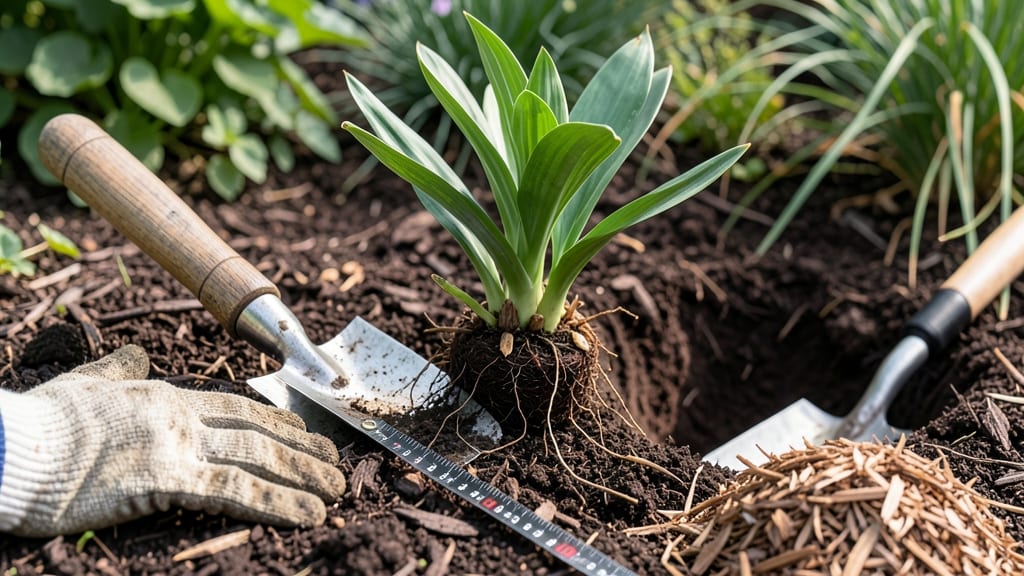
If you're eager to grow vibrant daylilies 🌸 in Zone 5 but dread the risk of frost ruining your planting daylily bulbs in zone 5, timing is the secret weapon you need.
Planting these hardy perennials at the wrong time can mean wasted effort and missed summer blooms—so let's cut to what works.
Zone 5's unpredictable climate demands precision: too early, and your bulbs may rot; too late, and they won't establish strong roots before winter. The ideal windows are early spring or early fall, but there's more to it than just picking a month—soil temperature and frost dates play starring roles.
I'll show you exactly when to plant for foolproof success, including how to prepare your bulbs and soil for Zone 5's harsh winters. Whether you're a first-time gardener or a seasoned pro, these tips will help your daylilies thrive year after year.
From mulching strategies to recognizing signs of stress, you'll learn how to give your daylilies the best possible start. Let's get those rhizomes in the ground at the perfect moment—so you can enjoy months of stunning blooms come summer.
Best planting windows for daylily bulbs in Zone 5’s frost-prone climate
Zone 5 gardeners know the struggle: unpredictable frost dates and short growing seasons can turn daylily bulbs into a gamble if planted at the wrong time. Unlike tropical plants, daylilies are cold-hardy perennials that thrive when given the right window to establish roots before winter sets in.
The key? Planting when soil temperatures hover between 50°F and 60°F—warm enough for root growth but cool enough to avoid summer stress.
Most gardeners in Zone 5 focus on two prime planting windows: early spring (just before the last frost) and early fall (after the first frost). But timing isn’t one-size-fits-all—your local frost-free date (typically mid-May in Zone 5) and soil conditions dictate the best approach.
Let’s break down the ideal windows and why they work, so you can avoid the common pitfalls of planting too early or too late.
Here’s the golden rule: Plant daylily rhizomes 4-6 weeks before your last frost date in spring or 6-8 weeks before your first frost in fall. This gives roots time to anchor before extreme temperatures hit.
For example, if your last frost is May 15, aim for planting in early April. If your first frost arrives October 15, plant by early September. Miss this window, and you risk frost damage or stunted growth.
🌱
Daylily Planting Windows in Zone 5: Spring vs. Fall
| Season | Best Months | Soil Temp | Frost Risk | Root Establishment |
|---|---|---|---|---|
| Spring | March–April | 50°F–60°F | Low (after last frost) | 6–8 weeks before blooms |
| Fall | September–October | 55°F–65°F | Moderate (before first frost) | 4–6 weeks before dormancy |
*Adjust timing based on your local frost dates—check the USDA Plant Hardiness Zone Map for precision.
Spring planting offers the advantage of longer growing seasons for daylilies to establish and bloom their first year. However, planting too early—when soil is still cold—can delay growth. Use a soil thermometer to confirm temperatures are above 50°F before planting.
In contrast, fall planting allows bulbs to settle in without summer heat stress, and many gardeners swear by it for hardier, more robust plants the following spring.
One mistake I’ve seen too often? Planting daylilies in late spring or summer. By then, the heat and limited time before frost can stunt root growth, leaving bulbs vulnerable.
If you miss the ideal windows, opt for container growing—daylilies thrive in pots and can be moved indoors or under cover during extreme cold snaps.
Pro tip: If you’re unsure about your frost dates, use the National Weather Service’s frost calendar or ask local nurseries—they often track microclimates in your area. For example, Chicago’s last frost might be May 10, while Minneapolis’ could be May 25. These nuances matter for daylily success.
Finally, remember that daylily rhizomes (not true bulbs) prefer well-draining soil. Amend heavy clay with compost to prevent rot, especially in spring plantings when moisture levels fluctuate.
Mulch after planting to retain soil warmth and suppress weeds—this small step can make the difference between a thriving plant and a struggling one.
☀️
Best planting windows for daylily bulbs in Zone 5’s frost-prone climate
Zone 5’s unpredictable frost dates make timing critical for daylily bulbs. Unlike tropical plants, these hardy rhizomes thrive when planted 4-6 weeks before your last frost date—typically early spring (March-April) or early fall (September-October).
Planting too early risks frost damage, while late planting may stunt root growth before winter.
For spring planting, aim for when soil temperatures reach 50°F (10°C)—usually after mid-May’s last frost. In fall, plant 6 weeks before first frost (usually late September) to allow roots to establish before dormancy.
Daylilies are cold-hardy, but young roots need time to anchor before winter’s chill.
| Planting Window | Soil Temp | Frost Risk | Best For |
|---|---|---|---|
| Early Spring (March-April) | 50°F+ (10°C+) | Low (post-last frost) | Established roots before summer heat |
| Early Fall (September-October) | 60°F+ (15°C+) | Moderate (6 weeks before first frost) | Avoid summer heat stress |
If you miss these windows, fall planting is safer than spring. Daylilies planted in late spring (May) may struggle with summer heat stress before rooting. For container-grown daylilies, extend your window by 2-3 weeks earlier—containers warm faster and risk frost damage sooner.
Pro tip: Use your local frost date calculator (like the Old Farmer’s Almanac) to pinpoint exact dates. For example, in Chicago (Zone 5a), last frost is May 15, so plant by April 1. In Pittsburgh (Zone 5b), aim for April 15—just before soil thaws.
After planting, mulch heavily (3-4 inches) to insulate roots. In fall, add straw or shredded leaves before first frost to protect tender new growth. Skip mulch in summer months—it traps heat and stresses rhizomes.
Remember: Daylilies hate soggy soil. Amend heavy clay with compost or sand to improve drainage, especially in Zone 5’s wet springs. Well-draining soil prevents rot and ensures your bulbs thrive through winter’s freeze-thaw cycles.