
Plants
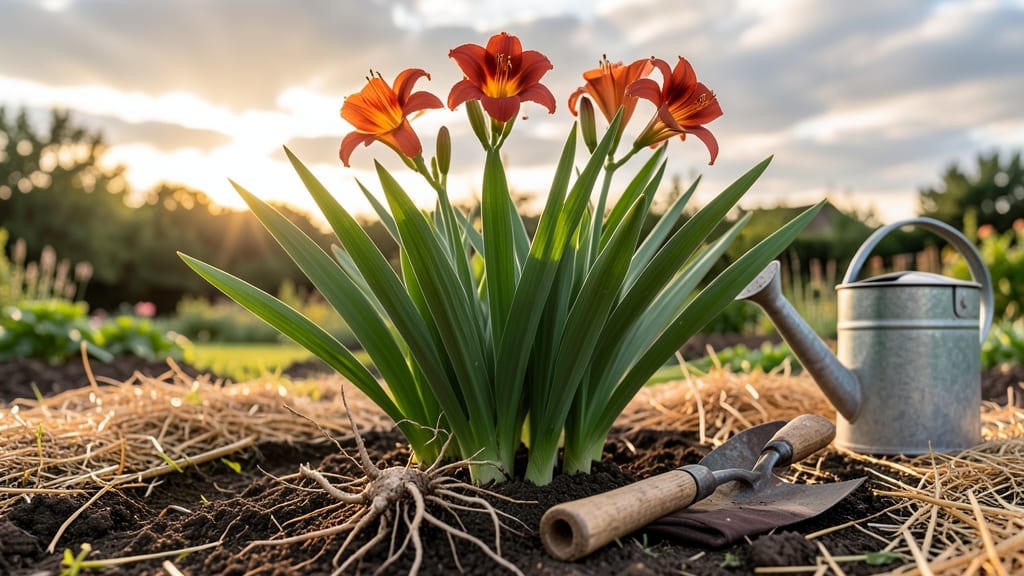
Knowing when to plant daylilies in Texas can mean the difference between vibrant blooms and struggling plants—especially when Texas heat or frost gets in the way. These hardy perennials (🌸) thrive in zones 8a-10b, but timing matters more than you’d think.
Fall planting—between September and November—gives daylilies time to establish roots before winter, while early spring (February–March) avoids summer’s scorching temperatures. But here’s the catch: North Texas’s later frost dates mean you might need to adjust your schedule by a month compared to South Texas.
In this guide, I’ll break down the perfect planting windows for your specific Texas region, plus pro tips to help your daylilies take root faster—no guesswork required. Let’s get those roots growing the right way.
Whether you’re a first-time gardener or a seasoned green thumb, these insights will help you avoid common mistakes and set your daylilies up for years of effortless blooms. Ready to dig in?
Best months to plant daylilies in Texas (frost-free zones explained)
Texas spans USDA zones 8a–10b, meaning frost dates vary wildly—from mid-February in North Texas to almost frost-free in the Rio Grande Valley.
For daylilies, this means your planting window shifts dramatically depending on where you live. Fall and early spring are your safest bets, but the exact timing depends on avoiding both frost and scorching summer heat.
Daylilies thrive when soil temperatures stay above 60°F (15°C) but below 90°F (32°C). In Texas, this typically means planting between September and November for fall or February and March for spring. The key is giving roots 6–8 weeks to establish before extreme heat or cold hits.
North Texas gardeners (zones 7b–8a) should aim for late February to early March in spring or mid-September to early October in fall. Central Texas (zones 8a–9a) can push planting to early April or late October, while South Texas (zones 9b–10b) has year-round flexibility—though fall remains ideal.
Pro tip: Check your local average last frost date (e.g., March 15 in Austin, February 15 in Dallas) and plant 2–3 weeks before to account for temperature fluctuations. Daylilies hate soggy roots, so avoid planting when soil is waterlogged from spring rains.
Texas Daylily Planting Timeline by Region
| Region | USDA Zone | Best Planting Window | Key Consideration |
|---|---|---|---|
| North Texas | 7b–8a | Feb 20–Mar 10 (Spring) / Sep 15–Oct 5 (Fall) | Frost risk until March 15 |
| Central Texas | 8a–9a | Mar 1–Apr 10 (Spring) / Oct 1–Nov 15 (Fall) | Soil stays warm longer |
| South Texas | 9b–10b | Feb 1–Apr 30 (Spring) / Sep 1–Nov 30 (Fall) | Minimal frost risk |
| All Regions | — | Avoid planting when soil temps >90°F | Roots struggle to establish in heat |
If you miss the ideal window, don’t panic—daylilies are tough survivors. In Central and South Texas, you can plant as late as early May, but expect slower establishment and less vigorous blooms the first year.
Always water deeply after planting to encourage root growth, even if it’s 100°F outside.
For container-grown daylilies, timing is slightly more flexible. You can plant anytime the soil isn’t frozen, but containers dry out faster in Texas heat. Use self-watering pots and mulch with straw or shredded bark to retain moisture.
Just remember: daylilies hate soggy roots, so ensure pots have drainage holes.
One common mistake Texas gardeners make is planting daylilies in mid-summer (June–July). While they might survive, they’ll struggle to root and often bolt to flower prematurely, weakening the plant.
Instead, opt for late summer (August) if you’re behind schedule—just provide extra shade with a cloches or shade cloth until roots establish.
Pro tip: Test your soil’s drainage and pH before planting. Daylilies prefer slightly acidic to neutral soil (pH 6.0–7.0) and well-draining conditions. Amend heavy clay soil with compost or sand to prevent root rot, especially in North and East Texas where clay is common.
Finally, choose heat-tolerant varieties like 'Stella de Oro' or 'Happy Returns' if you’re pushing the planting window. These cultivars handle late spring plantings better than delicate heirlooms. Pair them with mulch to regulate soil temperature and retain moisture.
Best months to plant daylilies in Texas (frost-free zones explained)
Texas spans three distinct frost zones, and your daylily planting window depends entirely on where you live. In North Texas (Zone 8a), the last frost often hits around February 15, while South Texas (Zone 10a) rarely sees frost at all.
This means gardeners in Amarillo should plant by November 1 for fall success, while Houston gardeners can extend planting until December 15.
For most Texans, the sweet spot is late summer through early fall—specifically September to November. This gives roots time to establish before winter dormancy, while avoiding summer’s 100°F+ soil temperatures that can scorch young plants. Spring planting (February–March) is your backup option if you missed fall.
Here’s the region-by-region breakdown of ideal planting months, including frost dates and soil temperature targets:
| Texas Region | Last Frost Date | Best Planting Window | Soil Temp Goal (°F) |
|---|---|---|---|
| North Texas (Zone 8a) | Feb 15 | Sep 15–Nov 1 | 60–75°F |
| Central Texas (Zone 8b) | Mar 1 | Oct 1–Nov 15 | 65–80°F |
| South Texas (Zone 9a-10a) | None | Sep 1–Dec 15 | 70–85°F |
Pro tip: Use a soil thermometer to confirm temperatures—daylilies need soil at least 60°F to root properly. In North Texas, wait until soil cools below 90°F in late summer to avoid heat stress.
For South Texas, late fall planting (November) is ideal to beat winter rains that can drown shallow roots.
If you’re in Zone 8a or 8b, aim for October planting—this balances frost risk and root establishment. For Zone 9a-10a, you’ve got flexibility: plant in September or February for two chances at success. Just avoid June–August unless you’re using shade cloth to protect young plants from scorching.
Remember: Daylilies hate soggy soil. In Texas’ rainy seasons (spring/fall), amend your soil with compost or perlite to improve drainage. This is non-negotiable—poor drainage = root rot, even in Texas’ otherwise forgiving climate.