
Plants
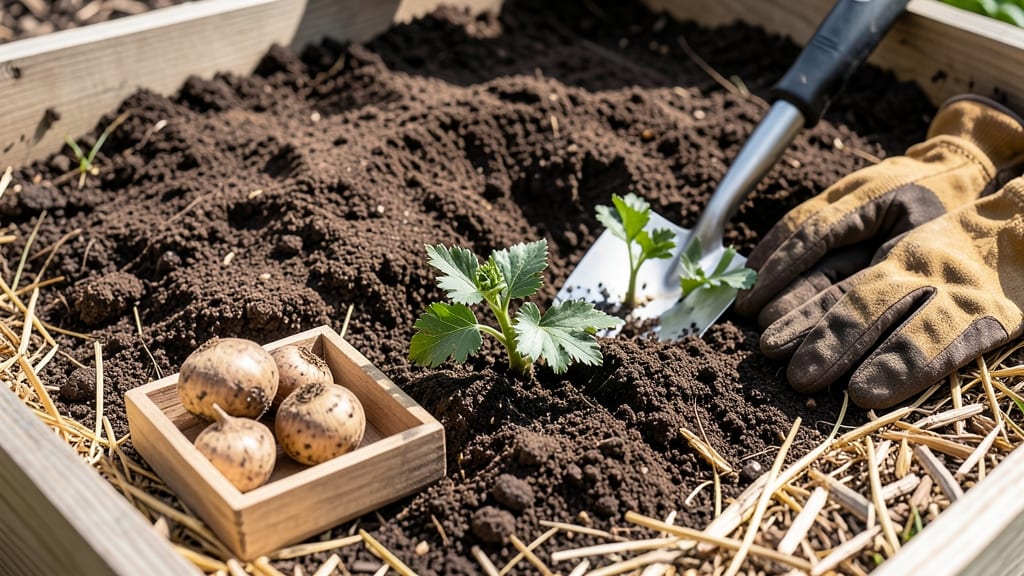
Knowing when to plant dahlias in South Africa can mean the difference between a garden bursting with 🌼 blooms and one that struggles to thrive.
Unlike many plants, dahlias in South Africa’s warm climate don’t need to wait for spring—your best window is actually in fall, when temperatures are cooling but still ideal for root establishment.
Most gardeners in regions like Cape Town or Johannesburg (USDA zones 9a-10b) plant between August and October, avoiding the heat of summer or the chill of winter.
This timing ensures your tubers wake up just as the soil warms, giving them the perfect head start for a longer flowering season from November to April.
But here’s the catch: not all areas are the same. Coastal regions like Durban have milder winters, while inland areas like the Highveld can dip into cooler temperatures.
I’ll break down exactly how to adjust your planting schedule based on where you live, so you can avoid common pitfalls like overwatering or planting too early when frost might still linger.
Whether you’re a beginner or a seasoned gardener, getting this timing right is the key to dahlias that reward you with vibrant, healthy blooms all season long. Let’s dive into the details so you can start planting with confidence.
Dahlia planting calendar by South African region: frost-free months explained
South Africa’s diverse climate means dahlias thrive year-round in most regions—but timing still matters. Unlike frost-prone countries, no frost risk exists in most areas, but soil temperatures and rainfall patterns dictate the perfect window. Let’s break it down by region so you can plant with confidence.
In Cape Town (USDA Zone 9b-10a), the ideal window is late August to early October when soil warms to 15°C+. Meanwhile, Johannesburg (Zone 9a) gardeners should wait until mid-September to avoid unpredictable spring rains that can rot tubers.
Each region has unique cues—like blooming proteas signaling safe planting in the Western Cape.
Durban’s subtropical climate (Zone 10a) allows year-round planting, but August-September still delivers the best blooms. The Highveld (Zone 8a) is trickier—plant in October after last frost risk (yes, it happens in some inland areas!). KwaZulu-Natal’s coastal areas mirror Durban, while inland spots near Pietermaritzburg follow Highveld timing.
Here’s the visual breakdown of planting windows, frost risks, and soil prep cues by region:
| Region | Best Planting Window | Soil Temp Threshold | Frost Risk | Key Cue |
|---|---|---|---|---|
| Cape Town | Late August - Early October | 15°C+ | None | Proteas in bloom |
| Johannesburg | Mid-September - October | 14°C+ | Low (inland) | First jasmine flowers |
| Durban | Year-round (peak: Aug-Sep) | 18°C+ | None | Dry season starts |
| Highveld | October (after last frost) | 13°C+ | Moderate (inland) | First warm days |
| KwaZulu-Natal (Coastal) | August-September | 16°C+ | None | Sea breeze increases |
Why these windows? August-September gives tubers time to establish roots before summer heat, while October planting risks drought stress in inland areas. Coastal regions like Durban can plant earlier because humidity reduces evaporation, but August-September still aligns with natural rainfall patterns.
Pro tip: Use a soil thermometer to confirm 13°C+ before planting. In Johannesburg or Highveld, wait until nighttime temps stay above 10°C—cold snaps can stunt growth. Container gardeners in urban Cape Town should plant 2 weeks earlier since pots warm faster.
Regional variations matter more than you’d think. For example, Plettenberg Bay gardeners can plant in July thanks to its mild winters, while Pretoria should hold off until late September. Always check your local agricultural extension office for microclimate advice—especially if you’re in a valley or high-altitude area.
Once you’ve nailed the timing, soil prep becomes critical. Work in compost and sand (for drainage) to mimic South Africa’s native loamy soils. In sandy coastal areas, add organic matter to retain moisture.
Mulch with straw or pine needles to suppress weeds and keep roots cool during summer’s intense sun.
Remember: Dahlias hate soggy feet. In Durban’s humid climate, plant on mounds to improve drainage. For Johannesburg’s drier air, use drip irrigation to deliver water directly to roots. Timing your planting with these regional tweaks ensures bigger blooms and healthier tubers for next year.
🌼
How to prepare dahlia tubers for South Africa’s unique climate: step-by-step guide
Preparing dahlia tubers for South Africa’s climate is the secret weapon behind vibrant blooms. Unlike temperate regions, we don’t have to worry about frost damage—but we do face variable rainfall and intense summer heat.
The key is getting your tubers ready 6-8 weeks before planting (around July) to ensure they’re strong enough to handle our unpredictable growing conditions.
Start by inspecting your tubers for shriveled or moldy spots. Discard any that look questionable—healthy tubers should be firm with visible eye buds (the small bumps where stems will grow).
In South Africa’s dry climate, we often need to pre-sprout tubers indoors to give them a head start before the soil warms up naturally.
Here’s my step-by-step method for chitting (pre-sprouting) dahlias, tailored to South African conditions:
- 1 Inspect & Cut: Trim tubers to expose 1-2 healthy eye buds per section. Use a clean knife to avoid damaging tissue.
- 2 Dry Cure: Let cut surfaces dry for 24-48 hours to prevent rot—a critical step for South Africa’s humid coastal areas.
- 3 Chitting Setup: Place tubers in a traffic-light propagator (or a clear plastic bag with holes) at 18-20°C. South African homes often stay warm enough year-round for this.
- 4 Light Exposure: Once sprouts reach 2-3cm, move tubers to bright indirect light (like a north-facing window) to prevent leggy growth—a common issue in South Africa’s intense sunlight.
- 5 Hardening Off: 2 weeks before planting, acclimate tubers to outdoor conditions by placing them in partial shade during the day and bringing them in at night—essential for South Africa’s temperature swings.
For gardeners in frost-prone areas (like parts of the Highveld), I recommend planting chitted tubers in containers first. This gives you flexibility to move them indoors if unexpected cold snaps occur. Use a well-draining mix of 50% compost, 30% sand, and 20% perlite to mimic South Africa’s fast-draining soils.
Pro tip: If you’re in a drought-prone region like the Western Cape, mulch heavily after planting to retain moisture. I’ve seen dahlias in low-rainfall areas thrive with a 5cm layer of straw mulch—it keeps roots cool and reduces watering needs by up to 30%.
The right prep makes all the difference in our challenging but rewarding climate.