
Plants
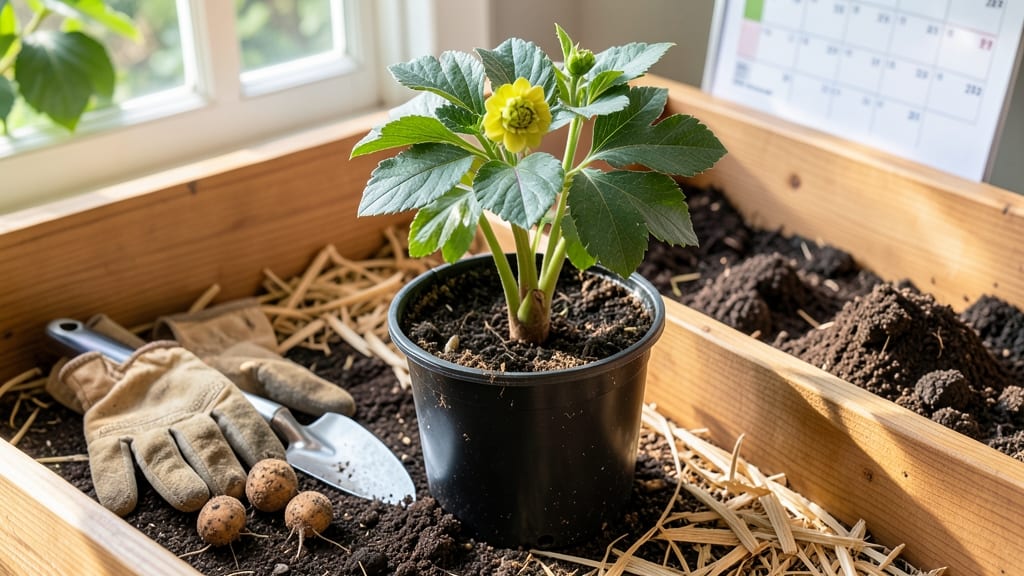
Planting dahlias in Zone 8b at the wrong time can turn your dream garden into a sad, wilted mess—unless you know the exact window when those tubers finally shake off winter’s grip.
The key isn’t just avoiding frost; it’s catching the moment when soil warmth and tuber readiness align for explosive growth.
Most gardeners in Zone 8b rush to plant as soon as the last frost passes, but that’s a recipe for disappointment. Dahlias 🌼 need soil temperatures above 55°F—not just frost-free skies.
I’ll show you how to read the signs (like sprouting tubers) and adjust for your microclimate, so you’re not left with leggy stems or stunted blooms.
What if you miss the spring window? Don’t panic—Zone 8b’s mild winters mean you can also plant in fall, with the right tricks to protect your tubers. I’ll break down the best strategies for both seasons, including mulching hacks and cold-frame setups that extend your dahlias’ glory well into October.
Ready to transform your garden into a nonstop parade of color? Let’s dive into the timing secrets that’ll have your dahlias thriving from first bloom to frost—without a single wilted petal in sight.
Zone 8b dahlias planting timeline: frost dates vs. tubers’ wake-up cues
In Zone 8b, where winters are mild but frost can still sneak in, timing your dahlias correctly means the difference between lush summer blooms and wilted disappointment.
The key isn’t just avoiding frost—it’s understanding when your tubers wake up from dormancy and when soil temperatures hit that 60°F sweet spot for root growth.
Zone 8b’s average last frost date falls around February 15, but don’t rush to plant! Dahlias need warmer soil (60°F+) and consistent daytime temps above 55°F to thrive. Planting too early risks stunted growth or even tuber rot in cold, damp soil.
Here’s the golden rule: Wait until soil temps stay above 60°F for at least 3 days. In Zone 8b, this typically aligns with late March to early April, but microclimates (like urban heat islands or sheltered valleys) can shift this window by 1-2 weeks.
For extended-season blooms, some gardeners plant tubers in late February under row covers or in greenhouses. This gives you a 2-3 week head start on blooms, but requires monitoring for unpredictable cold snaps.
Pro tip: Use a soil thermometer ($10 at garden centers) to check temps at 6-inch depth. If it’s below 60°F, hold off—your tubers won’t thank you for rushing them.
🌱 Zone 8b Dahlias Planting Comparison
| Factor | Traditional Planting | Extended Season |
|---|---|---|
| Planting Window | Late March - Early April | Late February (under cover) |
| Soil Temp Requirement | 60°F+ (3 days) | 55°F+ (with protection) |
| Frost Risk | Low (after Feb 15) | Moderate (Feb cold snaps) |
| Bloom Advantage | Standard season | 2-3 weeks earlier |
| Equipment Needed | Basic tools | Row covers/cloches |
🌡️ Note: Always check your local microclimate—urban areas warm faster than rural zones!
Zone 8b’s first frost usually hits around November 15, but some years it arrives earlier. If you’re aiming for fall blooms, plant tuber cuttings in early summer (June) to give them time to establish before cooler temps arrive.
For container dahlias, the rules are slightly different. Pots warm up faster than soil, so you can plant 1-2 weeks earlier than in-ground tubers. Just ensure your containers have drainage holes and use lightweight potting mix to prevent rot.
One common mistake? Ignoring tuber dormancy. Store-bought tubers often arrive dormant and need 4-6 weeks of chill time (40-50°F) to break dormancy. If you’re planting in March, start them indoors in February under grow lights.
Remember: Dahlias are hungry! After planting, side-dress with compost or balanced fertilizer (5-10-10) to fuel their rapid growth. And always mulch heavily (3-4 inches) to keep roots cool and moist.
🌼 Final tip: Mark your calendar for June 1—this is when most Zone 8b dahlias will start showing visible sprouts. If you don’t see growth by then, your tubers may need warmer soil or more sunlight.
Zone 8b dahlias planting timeline: frost dates vs. tubers’ wake-up cues
Zone 8b gardeners have a unique advantage with dahlias—our mild winters mean we can plant earlier than northern zones, but rushing still backfires. The last average frost date for Zone 8b is around February 15, but that’s not your cue to dig in.
Dahlias need soil temperatures above 55°F to sprout reliably, and waiting for that warmth makes all the difference between vigorous growth and stunted stems.
Most gardeners in Zone 8b plant late March to early April, but the real magic happens when your tubers show signs of life. If you plant too soon, those tubers might just rot in cold soil.
If you wait too long, you’ll miss the 6-8 week window before summer heat sets in, slowing growth again.
🌱 Zone 8b Dahlias Planting Comparison
| Method | Best Planting Window | Soil Temp Requirement | Bloom Timing |
|---|---|---|---|
| Traditional Spring Planting | Late March - Early April | 55°F+ (13°C+) | July - October |
| Extended Spring (Cold Frame) | Early March (under protection) | 50°F+ (10°C+) | June - November |
| Fall Planting (Tubers) | October - Early November | 60°F+ (16°C+) | Next Spring (delayed) |
⚠️ Pro Tip: Use a soil thermometer—dahlias hate cold feet!
Here’s the secret weapon for Zone 8b: microclimates. If you’re in a warmer microclimate (like near a south-facing wall or under a greenhouse), you can plant 2-3 weeks earlier than the average. Conversely, cooler pockets (valleys, shaded areas) may need to wait until mid-April.
Don’t overlook fall planting either—Zone 8b’s mild winters let you tuck tubers in the ground in October for an early spring start. Just mulch heavily and protect them from freezing temps below 20°F. I’ve seen dahlias planted this way bloom by June, beating the summer heat!
Timing also matters for tuber dormancy. Store tubers in a cool, dark place (like a garage) until you see eyes sprouting. Planting dormant tubers too early = wasted effort. Wait until those green shoots are 1-2 inches tall—that’s your go signal.
Finally, adjust for your dahlias’ variety. Dwarf varieties (like ‘Little Chief’) tolerate cooler soil better than tall varieties (like ‘Galaxy’). If you’re unsure, stick to mid-season bloomers—they’re the most forgiving for Zone 8b’s unpredictable springs.