
Plants
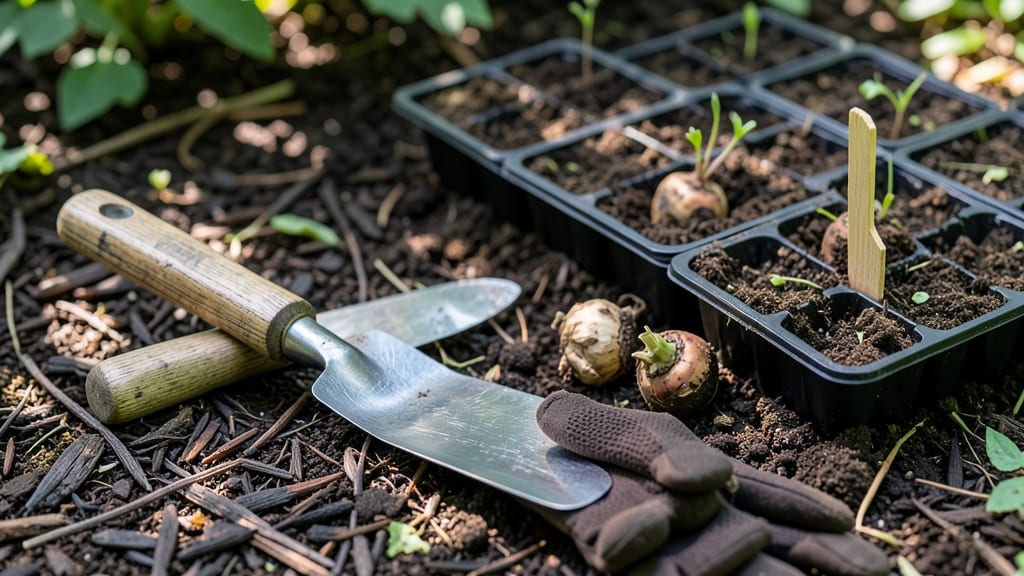
Timing your dahlias planting in Kentucky can feel like a guessing game—one wrong move, and frost or stunted growth ruins your blooms before they even begin.
But here’s the secret: soil warmth matters more than calendar dates, and knowing your last frost window (usually around April 15) is just the start.
If you’ve ever watched your 🌼 dahlias struggle in Kentucky’s unpredictable spring, you’re not alone. The key isn’t just waiting until May—it’s ensuring the soil stays consistently above 60°F, which often means holding off until late May or early June in most regions.
This small adjustment can mean the difference between vibrant blooms and wilting disappointment.
In this guide, I’ll walk you through exactly when to plant—whether you’re starting from tubers or seeds—and how to extend your growing season with simple tricks like black plastic mulch.
You’ll also discover the best dahlia varieties for Kentucky’s climate, so you can skip the trial-and-error and get straight to stunning flowers.
Ready to turn your garden into a dahlia paradise? Let’s dive into the timing, soil prep, and pro tips that will have your plants thriving from July through October.
Kentucky’s ideal dahlias planting window based on soil temperature
Timing is everything when planting dahlias in Kentucky, where soil temperature swings wildly between 40°F and 70°F in spring. Unlike cool-season crops, dahlias won’t thrive until the ground warms to at least 60°F consistently.
In most of Kentucky—especially Louisville and Lexington—this typically happens between late May and early June, but rural areas may lag by 1-2 weeks.
Why wait for warm soil? Dahlias are tropical perennials that rot in cold, damp soil. Their tubers need warmth to sprout and establish roots. Planting too early risks fungal diseases and stunted growth, while waiting too long cuts your blooming season short.
The key is balancing frost risk with soil warmth—a tricky dance in Kentucky’s Zone 6a climate.
Here’s how to nail the perfect window: Test your soil’s depth temperature (2-3 inches down) for 3 consecutive days. If it’s 60°F+, it’s time to plant.
Use a soil thermometer—they’re cheap and save your dahlias from failure. Pro tip: Mornings are best for testing, as afternoon sun can skew readings high.
🌱
🌱 Kentucky Dahlias Planting Timeline by Region
| Region | Last Frost Date | Ideal Planting Window | Soil Temp Check |
|---|---|---|---|
| Louisville | April 20–May 5 | Late May–Early June | 60°F+ (May 20–June 5) |
| Lexington | April 15–April 30 | Late May–Early June | 60°F+ (May 22–June 7) |
| Northern KY (Paducah) | April 5–April 20 | Early June | 60°F+ (June 1–June 15) |
| Southern KY (Bowling Green) | April 10–April 25 | Late May | 60°F+ (May 15–May 30) |
Note: Microclimates (e.g., urban heat islands) can shift dates by 1–2 weeks. Adjust based on your yard’s warmth.
If you’re eager to plant earlier, pre-sprouting tubers indoors is a game-changer. Start them in pots 4–6 weeks before your target outdoor date. Use a heat mat (70°F) to mimic warm soil, and transition them outdoors once nighttime temps stay above 55°F.
This trick adds 3–4 weeks to your growing season—critical for Kentucky’s short summer.
For container gardening, soil warms faster in pots, so you can plant 2–3 weeks earlier than in-ground. Just ensure containers have drainage holes and use black pots (they absorb heat). Place them on elevated stands to protect tubers from lingering cold in the soil below.
One common mistake? Planting based on calendar dates instead of soil conditions. I’ve seen gardeners in Lexington rush to plant in early May, only to watch their dahlias wilt within days because the soil was still 50°F. Always prioritize soil temperature over tradition.
🌿
To future-proof your dahlias, mulch heavily after planting. Use straw or shredded leaves (3–4 inches thick) to insulate roots and keep soil warm. This extends your planting window by 10–14 days and reduces watering needs. Just avoid plastic mulch—it traps too much heat and can cook the tubers.
For urban gardeners in cities like Louisville, heat islands can push soil temps up earlier. Test your soil in multiple spots—south-facing beds warm fastest, while north-facing areas lag. If you’re in doubt, wait one more week. Dahlias are forgiving if planted late, but they’ll never forgive cold soil.
Finally, track your local frost dates using the National Weather Service or Kentucky Mesonet. While dahlias tolerate light frosts (down to 28°F for established plants), young tubers are highly sensitive.
Plan to have your dahlias fully rooted before Memorial Day—this gives them a 2-month head start before Kentucky’s first hard frost in October.
✂️
How to extend your dahlias season in Kentucky’s short growing zone
Kentucky’s last frost dates (April 15–May 15) can feel like a race against time for dahlias, but with the right strategies, you can push your planting window earlier or later.
The key is balancing soil warmth with frost protection—because while dahlias hate cold soil, they also can’t survive a surprise freeze. Let’s break down how to extend your growing season safely.
For early planting, use a cold frame or cloche to protect young tubers after your average last frost date. These create a microclimate that warms soil faster, letting you plant 2–3 weeks earlier than usual.
Just remove the cover once temperatures stay above 50°F at night—dahlias need warmth to sprout, but they’ll bolt if overheated.
If you’re planting late, black plastic mulch is your best friend. It warms soil 10–15°F faster than bare ground, helping dahlias establish roots before Kentucky’s first fall frosts (mid-October). Lay it down 2 weeks before planting and keep it in place until late summer to maintain warmth.
Here’s the risk assessment for your county: Check your USDA Zone 6a–7a frost dates (via Almanac.com) and subtract 4–6 weeks for tubers to sprout.
If your last frost is May 1, aim to plant by mid-May—but if you’re using mulch or a cold frame, you might push it to late April.
⚠️ Callout Warning Element ⚠️
For container gardening, move pots to a sunny patio during the day and bring them indoors at night if frost threatens. Dahlias in containers warm up faster than in-ground plants, giving you a 2-week head start in spring. Just ensure pots have drainage holes to prevent root rot from Kentucky’s humid summers.
Finally, harden off any indoor-started tubers before transplanting. Place them in a shady spot outdoors for 5–7 days to acclimate—this reduces transplant shock and helps them adapt to Kentucky’s variable weather.
With these tricks, you’ll maximize your blooming season from early July to October—or even longer with late varieties.