
Trees
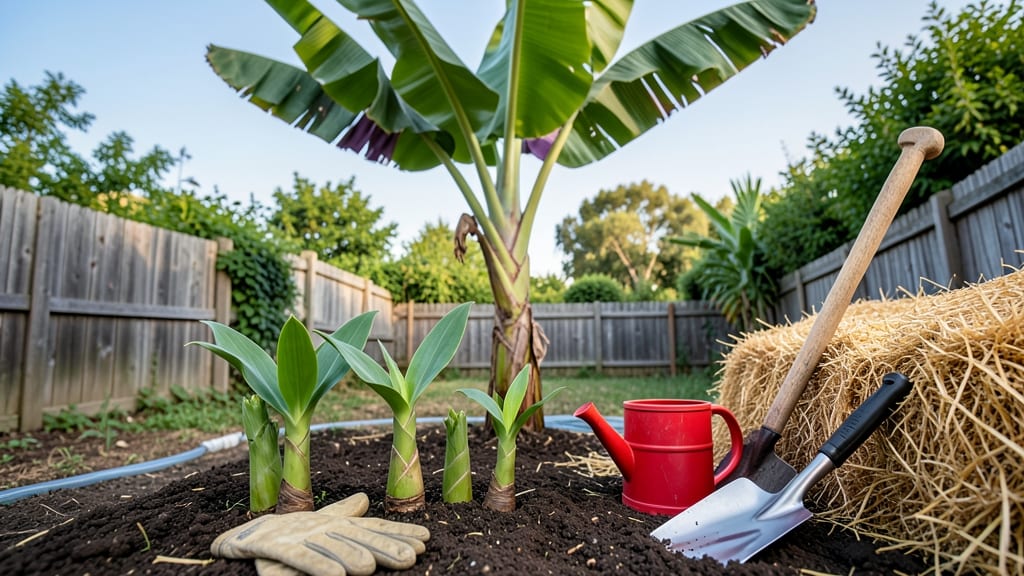
Planting a 🍌 banana tree in Florida sounds simple—until you realize timing can make or break your harvest. Since Florida’s frost-free climate lets you grow these tropical giants year-round, you might think any month works.
But soil temperature and regional microclimates (like Tampa’s humidity vs. Miami’s heat) actually create ideal windows for stronger roots and bigger fruit.
If you’ve ever watched a banana tree struggle—wilting in summer heat or failing to fruit—you’re not alone. The key isn’t just when you plant, but how you prep the soil and choose varieties that thrive in Florida’s sandy or clay-heavy dirt.
I’ll break down the exact frost-free planting calendar by region, so you can avoid common mistakes like planting too late in hurricane season or picking the wrong variety.
Ready to grow bananas that produce year-round harvests? We’ll cover soil checks, spacing tricks, and post-planting care tailored to Florida’s 9a-11 zones. Whether you’re a first-timer or a seasoned gardener, these steps will help you skip the guesswork and enjoy homegrown bananas in no time.
Let’s dive into the best months to plant, the top Florida-friendly varieties, and how to keep your 🍌 banana tree thriving—without the trial and error.
Florida banana planting calendar: frost-free dates by region
Florida’s frost-free climate means you can plant banana trees year-round, but regional microclimates still influence the best timing. Unlike northern states, Florida’s USDA zones 9b-11 eliminate frost risks, but hurricane season (June-November) and soil temperatures play critical roles in success.
Let’s break down the ideal planting windows by region to maximize growth and fruit production.
North Florida (USDA zones 8b-9a, including Jacksonville and Gainesville) experiences the coolest temperatures, with average lows dipping near 30°F in winter. While rare, these light freezes can damage young banana plants.
For this region, the safest planting window is March through May, allowing roots to establish before summer heat arrives. Avoid planting after September to prevent hurricane damage to tender new growth.
Central Florida (USDA zone 9b, covering Orlando, Tampa, and Ocala) enjoys milder winters with average lows around 40°F. Here, you can plant banana trees year-round, but the best times are January through April and September through November.
This timing avoids the peak hurricane season while ensuring warm soil temperatures (60°F+) for root development. Tampa’s coastal microclimate extends this window slightly later due to moderating ocean breezes.
South Florida (USDA zones 10a-11, including Miami, Fort Lauderdale, and Key West) is the most forgiving, with no frost risk and warm soil year-round. Planting is possible any month, but the ideal windows are February-March (for summer fruiting) and August-September (for winter harvests).
The dry season (November-April) is particularly advantageous for planting, as reduced humidity lowers fungal risks.
🌱 Florida Banana Planting Calendar by Region
| Region | USDA Zone | Best Planting Window | Soil Temp Requirement | Key Considerations |
|---|---|---|---|---|
| North Florida | 8b-9a | March-May, Sept-Nov | 60°F+ | Avoid Sept+ (hurricane risk) |
| Central Florida | 9b | Jan-Apr, Sept-Nov | 55°F+ | Coastal areas extend window |
| South Florida | 10a-11 | Year-round (peak: Feb-Mar, Aug-Sept) | 50°F+ | Dry season preferred |
🌡️ Use a soil thermometer to verify 60°F+ before planting in cooler months.
For all Florida regions, soil temperature is more critical than air temperature. Banana roots struggle to establish in soil below 55°F, even in frost-free zones. Use a soil thermometer to confirm 60°F+ before planting in winter or early spring.
In North Florida, this often means waiting until late March for reliable results. Conversely, summer planting (June-August) is riskier due to hurricane threats and intense heat stress on young plants.
Microclimates further refine planting windows. For example, Tampa’s coastal areas stay warmer longer than inland Orlando, allowing planting up to October. Conversely, Lake County’s higher elevations may require waiting until April for stable soil temperatures.
Always observe your specific location’s 30-year climate averages—available through the UF/IFAS Extension or NOAA climate maps—to adjust timing accordingly.
Pro tip: Start banana trees from potted plants (available at local nurseries) rather than seeds, as they establish 30% faster in Florida’s climate. Choose container-grown plants with visible root systems to ensure they’re ready for transplanting.
Avoid bare-root plants, which struggle in Florida’s humid conditions unless given immediate mulching and deep watering.
Remember that hurricane season (June-November) poses the biggest threat to newly planted banana trees. If planting in late summer or fall, select a sheltered location (e.g., near a building or windbreak) and stake young plants to prevent uprooting.
South Florida growers often plant two batches annually—one in February and another in August—to stagger harvests and minimize storm risks.
🌿 Finally, Florida’s sandy soils drain too quickly for bananas, while clay-heavy regions (like parts of Central Florida) retain too much moisture. Always amend soil with 30% compost and organic matter to create the ideal loamy texture.
This preparation is just as important as choosing the right planting window for long-term success.
Best banana varieties for Florida’s climate and when to plant them
Florida’s frost-free climate lets you grow bananas year-round, but not all varieties thrive equally. The Dwarf Cavendish is the most popular choice for its compact size and reliable fruit production, while Red Dacca adds vibrant color and sweetness.
If you love unique flavors, Ice Cream Banana (a dessert banana) is a fun pick—but it needs extra care to ripen properly in Florida’s heat.
Timing matters even in Florida! Plant Dwarf Cavendish or Grand Nain varieties in early spring (March-April) for summer harvests, or late summer (August-September) to avoid hurricane season stress. Red Dacca, which handles humidity better, can go in any month as long as soil temps stay above 60°F.
Always check your local USDA zone (9b-11)—North Florida’s cooler pockets (like Gainesville) may need a slightly later start.
For sandy soil (common in Central Florida), amend with compost and peat moss to retain moisture. In clay-heavy areas (South Florida), mix in perlite or pine bark fines to improve drainage. Banana trees hate soggy roots, so raised beds are ideal if your yard floods easily.
🍌 Top Florida Banana Varieties: Pros & Cons
✅ Compact (8-12 ft), reliable fruit, fast-growing
❌ Needs staking, less cold-hardy
✅ Vibrant red fruit, drought-tolerant, sweet
❌ Slower growth, needs well-draining soil
✅ Creamy texture, fun flavor, compact
❌ Needs extra warmth, less productive
✅ Classic banana shape, large fruit, hardy
❌ Tall (12-18 ft), needs support
Pro tip: If you’re planting in containers, choose dwarf varieties like Dwarf Cavendish and use a large pot (15+ gallons) with drainage holes. Move pots indoors or to a garage during hurricane season (June-November) to protect them from wind damage.
For in-ground planting, space trees 10-15 feet apart—bananas spread quickly!
Once planted, focus on consistent watering (deep soaks 2-3 times per week) and monthly feeding with a balanced citrus fertilizer (6-6-6). Avoid over-fertilizing in winter—banana trees rest then. With the right variety and timing, you’ll enjoy homegrown bananas in as little as 6-9 months!
🌱