
Plants
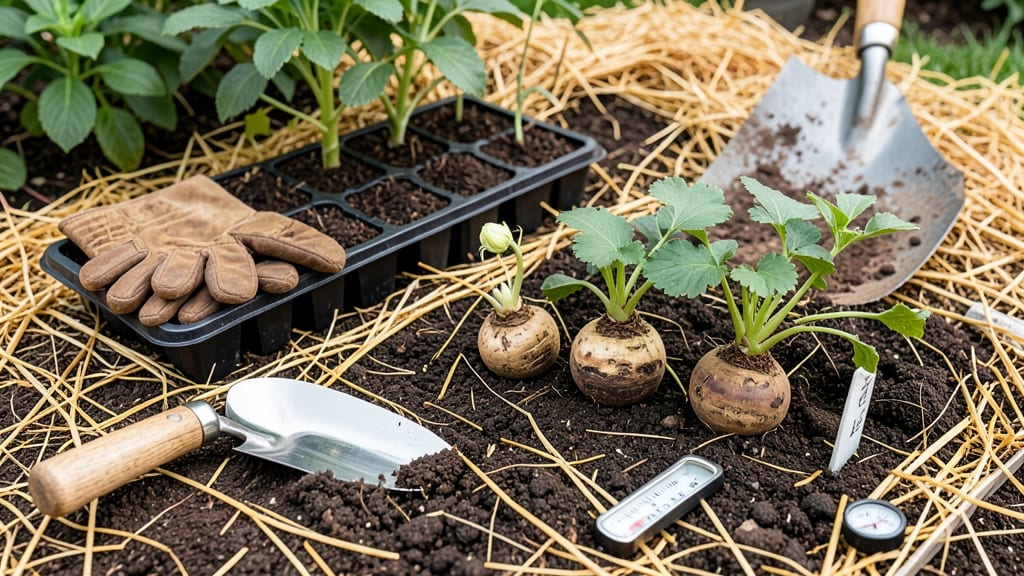
Timing your dahlia planting in Indiana right is the secret to showstopping blooms that last from July to October. Skip the guesswork—Indiana’s 5b-6b climate demands precision, and planting too early risks frost damage while waiting too long cuts your blooming season short.
Most gardeners in Indiana start planting 🌼 dahlia tubers between mid-April and mid-May, once soil temperatures hit 60°F and the last frost has passed.
But here’s the kicker: even within Indiana, microclimates can shift that window by 2-3 weeks, so I’ll show you how to adjust for your exact location.
Whether you’re planting tubers, seedlings, or transplants, the right timing isn’t just about dates—it’s about soil prep, mulching, and watering strategies that keep your dahlias thriving. Let’s break down the exact steps to ensure your dahlias get a head start without the common mistakes that ruin blooms.
By the end, you’ll know precisely when to plant for zero-bolt success, plus how to care for your dahlias post-planting so they reward you with vibrant, long-lasting flowers all season. Ready to transform your garden?
Indiana’s ideal dahlia planting window: frost-date calculator breakdown
Indiana’s USDA Zones 5b-6b mean your dahlias need precise timing to thrive. The average last frost date hovers around April 15–May 1, but your exact window depends on microclimates—like sheltered garden beds or urban heat islands.
Planting too early risks frost damage, while waiting too long cuts your blooming season short. Here’s how to calculate your perfect window.
Start by checking your local frost-free date—Indiana’s ranges from April 15 (southern IN) to May 15 (northern IN). For zero-bolt success, aim to plant 2–4 weeks after your last frost.
Use this rule: Soil temperature should be at least 60°F (15°C) at 4 inches deep. A soil thermometer is your best friend here!
For tubers, begin planting 4–6 weeks before your last frost if you’ve chitted them indoors (more on this later). If planting bare-root tubers directly, wait until soil is consistently warm—typically mid-to-late May in most of Indiana.
Seedlings can go in 2–3 weeks after your last frost, once nighttime temps stay above 50°F (10°C).
🌱 Pro Tip: Use Indiana’s frost-date calculator (like the National Gardening Association’s) to plug in your ZIP code. For example, in Indianapolis (Zone 6a), plant tubers by April 25 for peak blooms. In Gary (Zone 6b), wait until May 5.
Adjust your timeline based on microclimates. Gardens near lakes or rivers (like Lake Michigan’s southern shore) warm up faster—plant 1–2 weeks earlier. Urban areas with concrete heat (e.g., downtown Indianapolis) can support earlier planting. Conversely, northern Indiana (Zone 5b) may need to delay until late May.
Soil temperature is non-negotiable. Use a soil thermometer to confirm warmth. Cold soil slows root growth, leading to stunted plants or bolting (premature flowering). If your soil is still chilly, opt for container growing—pots warm up faster and give you control over timing.
For container dahlias, plant tubers in early April (4–6 weeks before last frost) and move pots outdoors after frost. This extends your growing season by 2–3 weeks compared to in-ground planting. Just ensure pots have drainage holes and use lightweight potting mix to avoid root rot.
🌿 Key Takeaway: Indiana’s 160 frost-free days demand precision. Plant tubers by May 1 (northern IN) or April 15 (southern IN) for maximum blooms. Use the frost-date calculator and soil thermometer to fine-tune your schedule—your dahlias will thank you with showstopping color from July to October!
Indiana’s ideal dahlia planting window: frost-date calculator breakdown
Indiana’s 5b-6b climate means your dahlia planting window hinges on two critical factors: soil temperature and last frost dates. Most gardeners aim for mid-April to mid-May, but your exact timing depends on whether you’re planting tubers, seedlings, or transplants.
For tubers, wait until soil reaches 60°F—this ensures roots establish before summer heat arrives.
If you’re starting from seedlings indoors, begin 8-10 weeks before your last frost date (typically by mid-February). Harden off seedlings for 1-2 weeks before transplanting outdoors after May 1.
Pro tip: Use a frost-date calculator like the Old Farmer’s Almanac to pinpoint your local window—Indiana’s dates can vary by 2-3 weeks from north to south.
| Stage | Action | Indiana Timeline |
|---|---|---|
| Soil Prep | Amend with compost, ensure drainage | Late March |
| Indoor Seed Start | Sow seeds 8-10 weeks before last frost | Mid-February |
| Tuber Chitting | Place tubers in bright, cool spot (60°F) | Early March |
| Last Frost Date | Monitor local forecasts (avg. April 15) | April 15 |
| Plant Tubers | After soil hits 60°F, plant 4-6" deep | Mid-April |
| Transplant Seedlings | Hardened-off seedlings after May 1 | Early May |
Microclimates in Indiana can shift your planting window by 10-14 days. For example, northern Indiana (Zone 5b) may need to wait until late April, while southern Indiana (Zone 6b) can plant as early as early April.
Always check your local frost dates—a late frost in May can devastate early plantings. Mulch heavily after planting to retain soil warmth and moisture.
Once planted, dahlias need consistent moisture and full sun to thrive. Water deeply 2-3 times per week and fertilize with a 5-10-10 blend every 4-6 weeks starting in early June. This ensures your dahlias bolt into vibrant blooms by July, giving you a 3-month show until frost.
Pro move: Mark your planting dates on a garden calendar to track progress. If you miss the window, don’t panic—dahlias can handle late plantings until June 1, though blooms may arrive 4-6 weeks later. The key is soil temperature, not just calendar dates.
By mastering this Indiana-specific timeline, you’ll avoid the #1 mistake of planting too early and ensure your dahlias reward you with zero-bolt, showstopping blooms all season. 🌼