
Plants
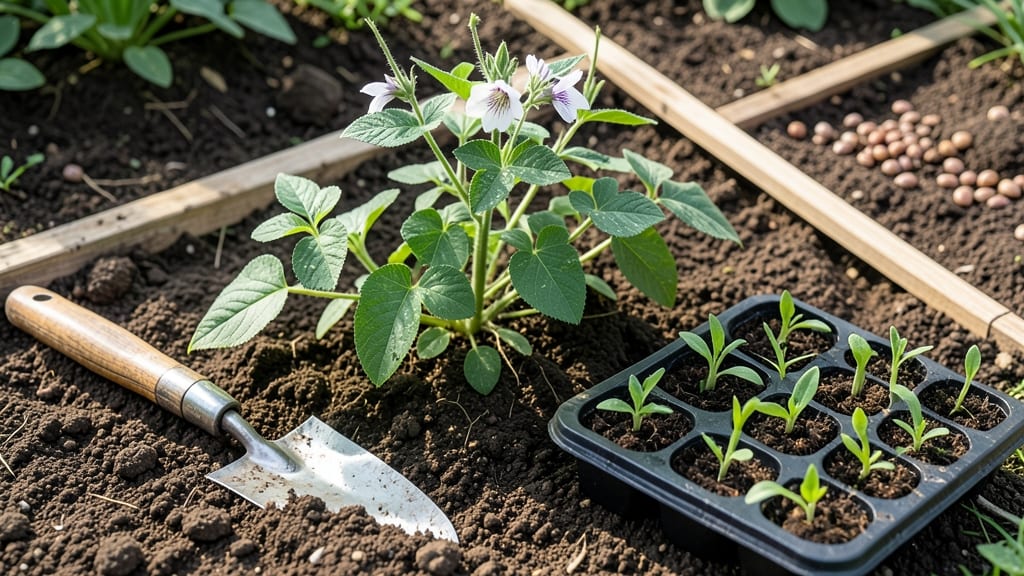
Timing your bean planting in Ontario could mean the difference between a bountiful harvest and a disappointing garden flop. Miss the window, and you risk bolting beans—or worse, no harvest at all.
The key lies in understanding your local frost dates and soil conditions, which can vary dramatically from Toronto to Ottawa.
For Ontario gardeners in zones 5a-6b, the ideal window stretches from late April to early June, but there’s more to it than just dates. Beans need warmth to thrive, and planting too early can leave them vulnerable to cold snaps.
Let’s break down exactly when to plant for zero-bolt success and how to adjust for your specific microclimate.
You’ll discover how to use Ontario’s frost-date calculator, when to start seeds indoors vs. direct-sowing, and which bean varieties perform best in our shorter growing seasons. With the right approach, you can enjoy fresh pods from July to September—no guesswork required.
Whether you’re a first-time gardener or a seasoned pro, these insights will help you avoid common pitfalls and maximize your yield. Let’s get those 🌱 beans growing the right way!
Ontario bean planting zones: when to start seeds indoors vs. direct sowing outdoors
Ontario’s diverse climate zones (USDA 4-6) mean your bean planting timeline depends heavily on where you live.
In southern Ontario (like London or Windsor), you can start direct sowing as early as late April, while northern areas (like Sudbury or North Bay) should wait until mid-May to avoid frost damage.
Understanding these regional differences is key to avoiding bolting—when beans flower too quickly and produce tough pods.
For pole beans, which need more time to mature, I recommend starting seeds indoors 4-6 weeks before your last frost date.
This gives them a head start in cooler regions. Bush beans, on the other hand, are faster growers and can often be sown directly after the soil warms to 10°C (50°F), usually by early May in most of Ontario.
The goal is to have beans flowering and producing pods when daytime temperatures consistently stay above 18°C (64°F).
Here’s the critical detail: Soil temperature matters more than air temperature. Beans won’t germinate well in cold soil, even if the air is warm. Use a soil thermometer to confirm it’s at least 10°C (50°F) before planting.
In cooler Ontario zones, this often means waiting until late May for direct sowing. For indoor starts, use a heat mat to keep soil warm until transplanting.
| Region | Last Frost Date | Indoor Start (Weeks Before Frost) | Direct Sow Window | Best Varieties |
|---|---|---|---|---|
| Southern Ontario (Zone 6a) | Mid-April | 4 weeks (early April) | Late April - Early May | Contender, Blue Lake |
| Central Ontario (Zone 5b) | Early May | 5 weeks (late March) | Mid-May | Provider, Kentucky Wonder |
| Northern Ontario (Zone 4b) | Late May | 6 weeks (mid-April) | Early June | Tendercrop, Shorty |
| All Regions | N/A | N/A | Late July (for fall harvest) | Black Turtle, Scarlet Runner |
🌱 Note: Adjust for microclimates (e.g., urban heat islands may allow earlier planting).
If you’re in southern Ontario, don’t rush to plant early—beans sown too soon in cold soil can rot or fail to germinate. Instead, use row covers to warm the soil faster and extend your planting window.
For northern Ontario, focus on short-season varieties like Tendercrop, which mature in just 50 days. These are your best bet for avoiding early frosts that can cut your harvest short.
Another pro tip: Succession planting every 2 weeks after your initial sowing ensures a continuous harvest. In Ontario’s short growing season, this means planting again in early July for a fall crop.
Just be sure to choose varieties with a shorter maturity time, like Blue Lake (55 days) or Contender (50 days), to fit the schedule.
For pole beans, which take longer to produce pods, I recommend starting seeds indoors 6 weeks before your last frost date. Transplant them outdoors after the soil has warmed, using trellises or stakes to support their growth.
This method works especially well in central Ontario, where the growing season is shorter. In southern Ontario, you can often direct sow pole beans around the same time as bush beans, but give them extra space to climb.
One common mistake I see in Ontario gardens is planting beans too close to other plants. Beans need good airflow to prevent fungal diseases like rust.
Space bush beans 4-6 inches apart in rows 18-24 inches apart, and give pole beans 6-8 inches apart with 4-5 feet between rows for their trellis. This spacing also makes it easier to spot pests like Mexican bean beetles early and take action.
Finally, remember that soil preparation is half the battle. Beans are nitrogen-fixers, meaning they pull nitrogen from the air, but they still need phosphorus and potassium for strong roots
How to use Ontario’s frost-date calculator for bean planting success
Ontario’s variable climate means your last frost date could be two weeks earlier in southern regions like London or two weeks later in northern areas like Sudbury. Using a frost-date calculator ensures you plant beans when soil temperatures hit 10°C (50°F), the sweet spot for germination.
Environment Canada’s historical data is your best friend here—bookmark their frost-free zone map for real-time adjustments.
Start by finding your local last frost date (typically mid-May in Zone 5a to early June in Zone 6b). Then, count 90-120 days backward—this is your planting window for beans, which need consistent warmth to avoid bolting.
For example, if your last frost is May 20, aim to plant by late July for a fall harvest, or start seeds 4-6 weeks earlier indoors.
Beans thrive on heat units, not just days. Use Ontario’s growing degree days (GDD) calculator to track warmth accumulation. Most varieties need 1,000-1,500 GDDs to mature. Check daily highs—if temps dip below 15°C (59°F) at night, growth stalls, and plants may bolt prematurely.
Adjust your planting date 1-2 weeks later if early-season chills linger.
Step-by-Step Frost-Date Guide for Ontario Beans
- Step 1: Find your last frost date using Environment Canada’s historical data (e.g., May 15 for Toronto).
- Step 2: Subtract 90 days for early varieties (e.g., February 15 start date).
- Step 3: Verify soil temperature with a probe—wait until it’s consistently above 10°C (50°F).
- Step 4: Plant bush beans 1-2 weeks earlier than pole beans (they bolt faster).
- Step 5: Use row covers if nights are still chilly (below 13°C/55°F).
⏰ Pro Tip: Plant succession crops every 2 weeks for continuous harvests through September.
Don’t forget microclimates! South-facing slopes warm up 1-2 weeks earlier than low-lying areas, while valleys hold cold air longer. Test your garden’s warmth by planting radishes (fast-growing) as a soil temperature indicator.
If they thrive by late April, your beans are ready too. For urban gardeners, rooftop gardens may need 1-3 extra weeks of hardening due to wind exposure.
If your frost date falls after June 1, opt for short-season varieties like ‘Provider’ (50 days) or ‘Blue Lake’ (55 days). These tolerate cooler soils and still yield before first frost.
For late plantings, use black plastic mulch to raise soil temps by 5-10°C (9-18°F) and speed up germination. Pair this with drip irrigation to maintain moisture without overheating the soil.
Track your progress with a garden journal. Note when beans emerge, flower, and pod—this helps refine future plantings. In my Zone 5b garden, I’ve found planting May 10-20 yields the sweetest pods by early August, while late June plantings often bolt by September.
Adjust your timeline based on your local patterns, not just averages.