
Plants
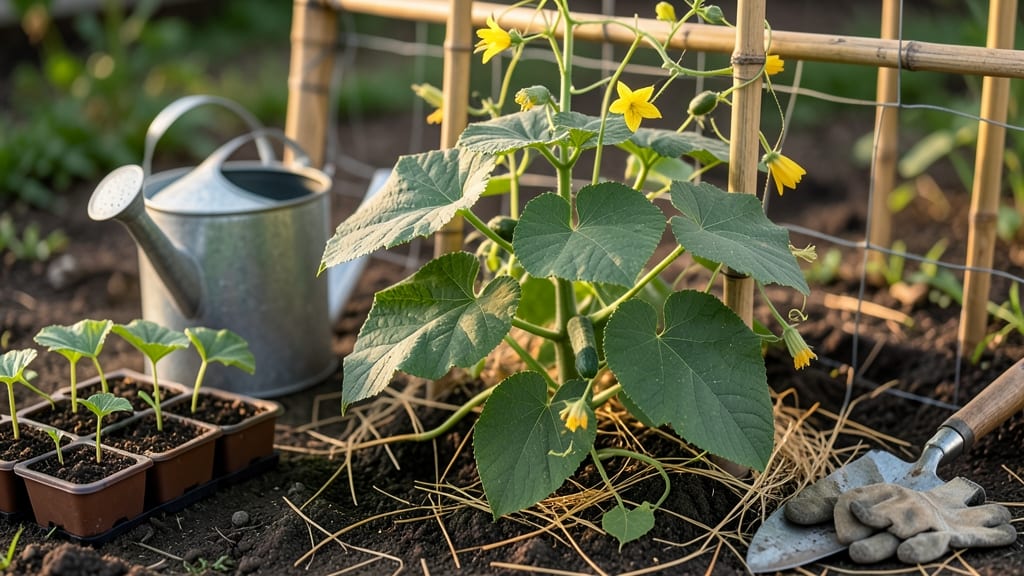
If you’ve ever planted cucumbers in Zone 9 only to watch them bolt into bitter flowers before producing a single fruit, you’re not alone—and the answer lies in when to plant cucumbers in Zone 9.
The key isn’t just about the calendar; it’s about beating the summer heat that turns your 🥒 vines into a sad, flowering memory.
In Zone 9, where frost is a distant memory and the sun blazes year-round, timing is everything. Plant too early, and your cucumbers will bolt before they even think about fruiting. Plant too late, and you’ll miss the sweet spot before the heat becomes unbearable.
The secret? Two perfect windows: late winter/early spring and late summer, when temperatures are just right for those tender seedlings to thrive.
I’ve spent years perfecting the timing, and what I’m about to share will help you avoid the heartbreak of wasted plants. Whether you’re a first-time gardener or a seasoned pro, these exact weeks before summer heat hits are your golden opportunity.
Let’s dive into the science—and the tricks—that will guarantee a bountiful harvest.
From soil temperature tricks to shade cloth hacks, you’ll discover how to extend your growing season and keep your cucumbers happy—even in Zone 9’s relentless sun. Ready to turn your garden into a 🥒 paradise? Let’s get started.
The exact weeks to plant cucumbers in Zone 9 before summer heat hits
Zone 9’s long, hot summers can turn cucumber plants into bitter, flower-laden vines faster than you can say "pickle batch." The key to avoiding this fate? Planting at the precise moment when soil and air temperatures align with cucumbers’ 60°F (15°C) minimum for germination and growth.
Miss this window, and you’ll watch your plants bolt before producing a single fruit.
For spring plantings, aim for late February to early March—just as daytime temperatures creep toward 70°F (21°C) but before the 90°F+ (32°C+) heat of summer sets in. This timing lets seedlings establish roots before the real heat arrives, usually by mid-April.
If you’re in a cooler microclimate (like higher elevations), wait until early April to avoid cold snaps.
For fall plantings, the window narrows dramatically. Start seeds indoors in late July or direct-sow in early August, targeting a harvest before first frost (which rarely happens in Zone 9 but can occur in high-desert areas).
Fall crops thrive when daytime highs drop below 85°F (29°C), typically by September, giving you a second chance at crisp cucumbers.
Here’s the golden rule: Plant cucumbers when your soil thermometer reads 60°F (15°C) or warmer at a 2-inch depth. In Zone 9, this usually aligns with late winter/early spring or late summer, but microclimates vary.
Coastal areas like San Diego may start earlier, while inland deserts like Phoenix might delay until April.
| Planting Window | Soil Temp | Air Temp | Notes |
|---|---|---|---|
| Late Feb - Early Mar | 60°F+ (15°C+) | 65-75°F (18-24°C) | Spring crop; avoid bolting |
| Early Apr | 65°F+ (18°C+) | 70-80°F (21-27°C) | Cooler microclimates only |
| Late July - Early Aug | 60°F+ (15°C+) | 80-85°F (27-29°C) | Fall crop; harvest before heat |
| Early Sept | 65°F+ (18°C+) | 75-80°F (24-27°C) | Late start; use shade cloth |
If you’re direct-sowing (planting seeds outdoors), wait until after the last frost (which is rare in Zone 9) and when nighttime temps stay above 55°F (13°C). For transplants, start seeds indoors 4-6 weeks before your target outdoor date to give seedlings a head start.
Harden them off by midday for 3-5 days before moving them outside.
Pro tip: Use a soil thermometer to confirm readiness—cucumbers won’t germinate below 60°F (15°C), and slow germination invites pests like cucumber beetles. If your soil is still cool, mulch heavily with straw or black plastic to warm it faster.
In desert Zone 9, you might need to shade young plants with 30% shade cloth to prevent heat stress.
Timing isn’t just about when you plant—it’s also about what variety you choose. Heat-tolerant varieties like ‘Straight Eight’ or ‘Marketmore 76’ can handle 90°F+ (32°C+) better than slicing types, but even they’ll struggle if planted too early.
Pair your planting date with the right variety, and you’ll avoid the bitter, seedy cucumbers that scream "timing fail."
Remember: Zone 9’s heat is your biggest enemy, but proper timing is your secret weapon. Plant too early, and you’ll lose your crop to bolting.
Plant too late, and you’ll miss the harvest window. Get it right, and you’ll enjoy crisp, sweet cucumbers all season long—no bitter aftertaste required.
🌱💧☀️
How to adjust planting dates based on your Zone 9 microclimate
Zone 9’s diverse microclimates—from coastal San Diego to desert Phoenix—can shift your cucumber planting window by weeks. Coastal areas like Los Angeles or San Francisco enjoy milder winters, while inland deserts like Palm Springs or Tucson face extreme heat earlier. Here’s how to fine-tune your schedule for success.First, check your local average last frost date—though Zone 9 rarely freezes, heat waves can mimic frost stress. Coastal areas can plant 2–3 weeks earlier (late January) than inland deserts (mid-February). Use a soil thermometer to confirm 60°F+ soil temps before planting, as cooler ground delays germination.
For coastal gardens, aim for late January to early March for spring crops. The ocean’s moderating effect keeps soil warmer longer, but foggy mornings can delay growth. Inland deserts should wait until mid-February to early April to avoid premature bolting from sudden heat spikes.
🌱 Pro Tip: If your area has hot summer afternoons, consider shade cloth (30–50% coverage) for early starts. This buys you 2–4 extra weeks of viable planting before the 100°F+ heat sets in. For example, Phoenix gardeners often use shade cloth until mid-April to protect seedlings.
| Microclimate | Spring Planting Window | Fall Planting Window | Key Adjustment |
|---|---|---|---|
| Coastal (San Diego, LA) | Late January–Early March | Late July–Early September | Plant early; use shade cloth if foggy |
| Inland (San Bernardino, Riverside) | Mid-February–Early April | Mid-August–Late September | Wait for soil to warm; mulch heavily |
| Desert (Phoenix, Tucson) | Late February–March | Early August–Mid-September | Shade cloth essential; avoid peak heat |
| Valley (Central Coast) | Early February–Early March | Late July–Early September | Balance sun and breeze exposure |
For fall crops, the reverse applies. Coastal areas can plant late July to early September, while deserts must rush by early August to avoid October heat.
In San Diego, you might squeeze in a second fall crop by late September, but inland areas like Palm Springs should stop by mid-September.
💡 Local Tip: Check your USDA Plant Hardiness Zone Map for finer details—some Zone 9 pockets (like higher elevations) may align more with Zone 8. For example, Big Bear Lake (Zone 9a) can plant 1–2 weeks later than Riverside (Zone 9b).
Always observe your garden’s microclimate quirks—a shady corner or windy spot can shift your ideal window.
Finally, succession planting is key. In Zone 9, you can often fit two cucumber crops—one in spring and one in fall—by staggering seeds every 2 weeks.
This ensures a continuous harvest and reduces waste from bolting. Just remember: heat-tolerant varieties like ‘Straight Eight’ or ‘Marketmore 76’ are your best friends in these extremes!