
Plants
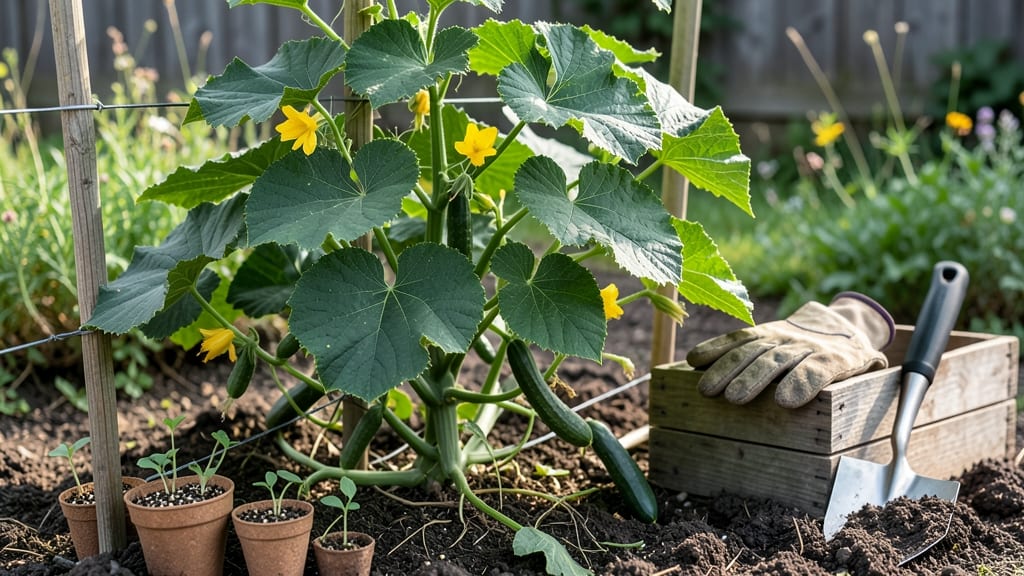
Timing your 🥒 cucumber planting in Portland, Oregon, isn’t just about following a calendar—it’s about outsmarting the city’s infamous variable weather to guarantee a bountiful harvest.
Plant too early, and a late frost will wipe out your tender seedlings; too late, and you’ll miss the sweet spot for full-sized, flavorful fruits before fall sets in.
With Portland’s USDA Zone 8a climate, the ideal window stretches from mid-April to early June, but that’s just the starting point. Local microclimates—like the urban heat islands or the cooler Willamette Valley—can shift those deadlines by weeks, making the difference between a thriving vine and a bitter disappointment.
I’ve tested these strategies firsthand, from using black plastic mulch to warm the soil faster to choosing cold-tolerant varieties like ‘Straight Eight’ that won’t bolt at the first sign of heat.
Whether you’re a seasoned gardener or a first-timer, these microclimate-specific tips will help you avoid the most common mistakes and keep your cucumbers producing from June through September.
Ready to turn Portland’s unpredictable growing season into your advantage? Let’s dive into the exact steps to time your planting for zero-bolt success—no guesswork required.
Portland’s cucumber planting zones: USDA vs. microclimate deadlines
Portland’s USDA Zone 8a designation gives us a starting point, but the city’s microclimates create wildly different planting conditions. Urban heat islands like Downtown can be 5–10°F warmer than coastal fringe areas like Sauvie Island, drastically altering your cucumber’s last-frost risk.
Understanding these zones ensures you avoid bitter bolts and maximize your harvest.
Most Portlanders follow the average last frost date of April 15, but your exact timing depends on elevation and proximity to the Willamette River. For example, Hillsboro’s warmer microclimate (Zone 8b) allows planting 2–3 weeks earlier than West Linn’s cooler pockets near the river.
Always check local frost records—your neighbor’s success might not apply to your yard.
Here’s how Portland’s three key microclimates affect cucumber planting:
| Microclimate | USDA Zone | Last Frost Date | Planting Window | Soil-Warming Tip |
|---|---|---|---|---|
| Urban Heat Islands (Downtown, Pearl) | 8b | April 5–10 | Late March–early April (protected) or mid-April (direct sow) | Use black plastic mulch to warm soil faster |
| Willamette Valley (Hillsboro, Beaverton) | 8a/8b | April 10–15 | Mid-April–early May | Plant near south-facing walls for warmth |
| Coastal Fringe (Sauvie Island, West Linn) | 8a | April 20–May 1 | Late April–early June | Start seeds indoors 4–6 weeks before last frost |
For urban heat islands, you can push cucumbers as early as late March if you use row covers or cold frames. These areas often see soil temperatures hit 60°F (the minimum for germination) by early April.
However, coastal areas may need to wait until late April or early May—planting too soon risks frost damage or stunted growth.
Pro tip: Test your soil temperature with a soil thermometer (aim for 60–65°F at 2 inches deep). If it’s below 55°F, delay planting or use black plastic mulch to accelerate warming. Portland’s cool, damp springs can delay soil warming by 1–2 weeks compared to drier climates.
Even after the last frost, nighttime temperatures below 50°F can stress young cucumbers. Use floating row covers for the first 2–3 weeks to protect seedlings. This is especially critical in higher-elevation areas like Mount Hood’s foothills, where late frosts can occur into mid-May.
Portland’s summer heatwaves (often hitting 90°F+) can also stress cucumbers if planted too early. Aim to have vines established by late June to avoid bolt risk from sudden temperature swings. Succession planting every 2 weeks from mid-May to early July ensures a continuous harvest through September.
One critical mistake Portlanders make is ignoring microclimate wind patterns. The Columbia River Gorge funnels cold air into the city, creating localized frost pockets.
If your yard is in a low-lying area, plant cucumbers on south-facing slopes or use windbreaks like corn stalks or bamboo fencing to protect plants.
For container growing, adjust your timeline by 1–2 weeks later than in-ground planting. Pots heat up faster but also dry out quicker—monitor soil moisture closely during Portland’s unpredictable summer rains. A self-watering pot with coco coir can help maintain consistent moisture.
Remember: Portland’s short growing season (only 165 frost-free days) demands precision. By aligning your planting with your specific microclimate and using season extenders, you’ll turn Portland’s challenges into abundant harvests—not bitter disappointments. 🥒
How to stretch Portland’s cucumber season: cold-tolerant varieties and season extenders
Portland’s short growing season and cool nights can make cucumbers tricky, but the right varieties and season extenders turn challenges into harvests from May through October. The key? Choosing cold-tolerant cucumbers and protecting them from late frosts and early chills.
For Portland gardeners, ‘Straight Eight’ and ‘Lemon Cucumber’ are top picks—they handle cooler temps better than standard varieties. ‘Armenian’ cucumbers also thrive in our variable climate, producing sweet fruit even when nights dip below 50°F. These varieties bolt less and ripen faster in cooler conditions.
🌱 Top 5 Portland-Proof Cucumber Varieties
- Straight Eight: Cold-hardy, bolt-resistant, classic slicing type
- Lemon Cucumber: Sweet flavor, tolerates cool nights, great for pickling
- Armenian: Long vines, thick-skinned, heat and cold tolerant
- Marketmore 76: Disease-resistant, reliable producer in Portland’s humidity
- Bush Champion: Compact, no trellis needed, early maturing
Start bush varieties 2 weeks earlier than vining types—they mature faster in cool soil.
To extend your harvest window, use row covers or cold frames for early plantings. These protect seedlings from late spring frosts (which hit Portland until mid-April) and warm the soil faster.
For fall harvests, plant heat-tolerant varieties like ‘Tyria’ in early July—they’ll keep producing until first frost in mid-October.
Succession planting is another Portland gardener’s secret weapon. Sow new seeds every 2 weeks from mid-May to early July to ensure a continuous supply of fresh cucumbers. This works especially well with bush varieties, which mature quickly (as few as 50 days) and don’t require trellising.
For urban gardeners with limited space, container growing is a game-changer. Use 5-gallon pots with bush varieties and place them on patios or balconies where they’ll get full sun. Just ensure pots have drainage holes and you water daily—containers dry out faster than in-ground beds.
Don’t forget black plastic mulch—it warms soil 2–4°F faster than bare earth, helping seedlings germinate and grow in Portland’s cool, damp springs. Lay it down 2 weeks before planting to give the soil a head start.