
Plants
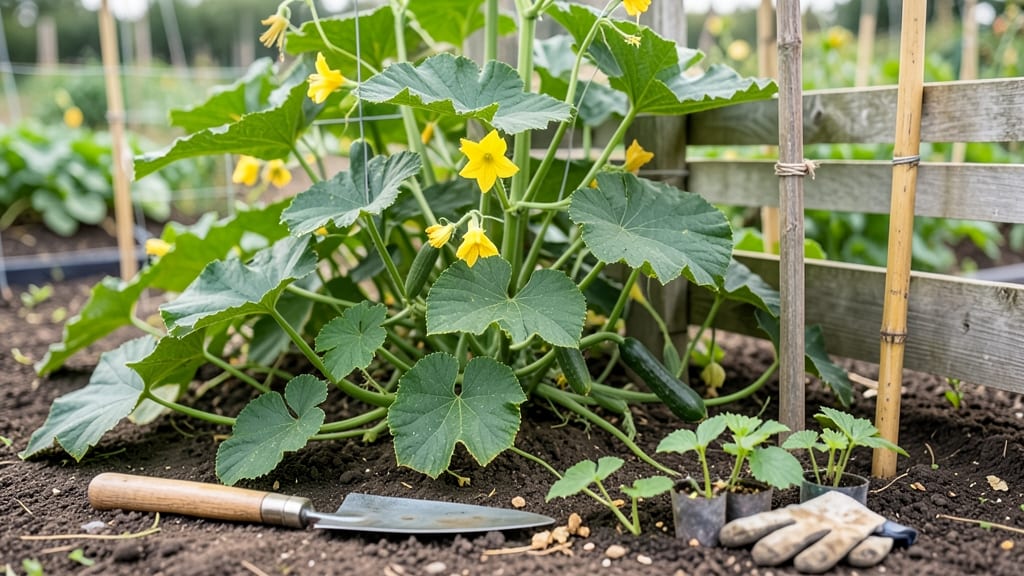
Timing your cucumber planting in Chicago isn't just about avoiding frost—it’s about beating the city’s unpredictable shifts from chilly winds to sudden heatwaves. Miss the window, and you’ll end up with bitter, bolted 🥒 instead of crisp, sweet harvests by summer.
Most gardeners here wait until April 15—Chicago’s average last frost date—but that’s just the start. Soil temperature, urban heat islands, and even your neighborhood’s microclimate can push your ideal planting window weeks earlier or later.
I’ll break down the exact frost-free timeline you need to maximize your yield, including when to start seeds indoors versus direct-sowing outdoors.
Whether you’re a backyard gardener in Zone 5b-6a or balancing containers on a city balcony, these insights will help you avoid common mistakes.
From choosing the right varieties to extending your season with row covers, you’ll learn how to turn Chicago’s short growing window into a high-yield cucumber harvest from July through September.
Ready to ditch the guesswork? Let’s dive into the step-by-step schedule—and pro tips—that’ll have your vines thriving when the rest of the city is still shivering.
Chicago’s frost-free cucumber planting timeline by week (2024 guide)
Chicago’s unpredictable spring weather makes timing your cucumber planting a high-stakes game—get it wrong, and you’ll face bitter bolts or stunted vines. The average last frost date is April 15, but urban heat islands (like the Loop) can push this 1-2 weeks earlier than suburbs.
To maximize your harvest window (July–September), aim to plant after May 1 for safer bets.
Soil temperature is your real deadline: cucumbers need 60°F+ soil to germinate. A soil thermometer is your best tool—if it’s below 55°F in the morning, wait. Black plastic mulch can add 5-10°F to soil warmth, giving you a 2-week head start in cooler years.
Pro tip: Check the National Weather Service Chicago for 5-day forecasts before planting.
🌱 Did You Know?
Here’s your week-by-week planting timeline, accounting for Chicago’s Zone 5b-6a climate and microclimates. Use this as a flexible guide—adjust based on your soil temp and weather forecasts.
If you’re in Chicago’s suburbs (like Naperville or Aurora), you can plant 1 week earlier than downtown due to cooler microclimates. Conversely, rooftop gardens in Downtown may see earlier soil warming—monitor temps closely. For container
5 Critical factors that determine your cucumber planting window in Chicago
Chicago’s unpredictable weather can turn a perfect cucumber harvest into a bitter disappointment if you don’t account for these 5 key factors. Unlike warmer climates, timing here depends on more than just frost dates—soil temperature, wind patterns, and even your neighborhood’s microclimate play huge roles.
Let’s break down what really matters for your cucumber success.
First, soil temperature is non-negotiable. Cucumbers need soil at at least 60°F to germinate—any cooler, and your seeds will rot in the ground. In Chicago, this usually aligns with mid-to-late May, but black plastic mulch can warm soil 2-3 weeks earlier if you’re impatient.
Test with a soil thermometer to avoid guesswork.
Next, wind exposure can stunt young plants. Chicago’s lake-effect winds off Lake Michigan create cooler, windier zones near the shore (think Rogers Park or Evanston), while downtown areas bake faster. If your garden is exposed, use windbreaks or choose bush varieties like ‘Bush Champion’ that handle rough conditions better.
Humidity levels also shift your timeline. High humidity in early summer (June) can delay bolting, while dry spells in July-August force plants to bolt prematurely. Monitor your local weather forecasts and adjust watering to keep soil consistently moist—but not soggy—to maintain ideal humidity for vines.
Don’t overlook Chicago’s urban heat islands. Areas like the Loop or Wicker Park can be 5-10°F warmer than suburbs, letting you plant 1-2 weeks earlier.
Use this to your advantage if you’re in a city garden—just watch for heat stress in July by providing afternoon shade with row covers.
Finally, last frost dates aren’t set in stone. While the average is April 15, late frosts hit every 3-5 years. Check the National Weather Service’s Chicago frost data or sign up for local garden alerts (like those from the Chicago Botanic Garden) to get real-time updates.
If frost lingers, opt for cold-hardy varieties like ‘Northern Pickling’ or delay planting until June 1.
By accounting for these factors, you’ll avoid the #1 mistake Chicago gardeners make: planting too early and ending up with bolted, bitter cucumbers. The payoff? A bountiful harvest from July through September—just in time for fresh slicing cucumbers and pickles! 🥒
Pro tip: Combine these factors with Chicago’s frost-free timeline (covered in the next section) to pinpoint your perfect planting window.
For example, if you’re in a windy suburb with cool soil, you might need to wait until May 20—but if you’re downtown with black mulch, May 1 could work. There’s no one-size-fits-all, but now you’ve got the tools to customize your approach! 🌱