
Plants
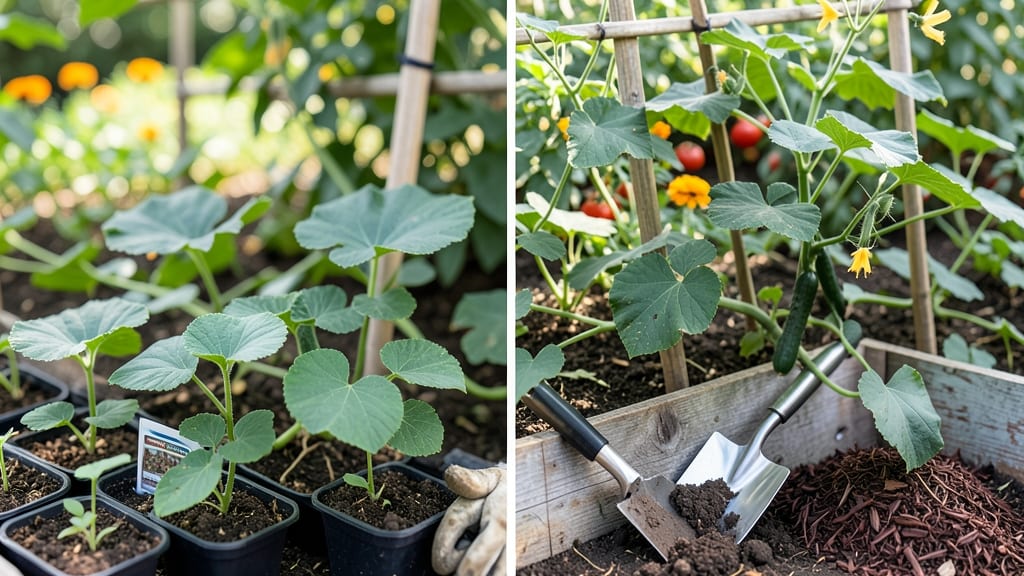
Timing your 🥒 cucumber planting in Pennsylvania can make or break your harvest—get it wrong, and you’ll end up with bitter, bolted plants before summer even kicks in.
The state’s 5b-7a zones mean your neighbors’ perfect June planting might leave you scrambling in May, while mountain gardeners play by a completely different calendar.
Most gardeners know to wait until after the last frost (typically mid-April to early June), but soil temperature is the real game-changer. Cucumbers need 60°F+ soil to thrive, and cold frames or black plastic mulch can shave weeks off that wait—especially in Zone 5b areas where late frosts linger.
Even a 5-day delay can send your plants into early flowering mode.
Here’s the secret: Pennsylvania’s microclimates demand flexibility. Whether you’re in Pittsburgh’s humid heat or the cooler Poconos, I’ll break down the exact windows, frost-proofing tricks, and variety choices that keep your vines productive from June through September. Let’s make sure your 🥒 cucumber season starts—and stays—on track.
From succession planting to heat-tolerant picks, you’ll discover how to stretch your harvest window without the guesswork. No more wasted seeds or disappointed expectations—just crisp, homegrown cucumbers all season long.
Pennsylvania cucumber planting zones: exact dates by microclimate
Pennsylvania’s diverse microclimates mean your cucumber planting window can vary by up to 4 weeks depending on where you live. The Keystone State spans USDA Zones 5b-7a, with mountain regions staying cooler longer than the southwest.
I’ll break down the optimal planting windows for each zone, including soil temperature thresholds and last-frost adjustments.
For all regions, soil must reach 55°F+ before planting—use a soil thermometer to check. Cucumbers are frost-sensitive, so wait until nighttime temps stay above 50°F. In cooler zones, consider black plastic mulch to warm soil faster by 5-10°F.
🌱
🌿
If you’re in an urban area with heat-island effect (like Philadelphia), you can plant 2 weeks earlier than rural areas. Test your soil’s warmth by placing a thermometer 2 inches deep—60°F+ is ideal. For container gardening, use black pots to absorb heat and plant 1-2 weeks after ground planting dates.
In Zone 5b areas (like the Poconos), consider starting seeds indoors 3-4 weeks before your last frost date. Use grow lights to provide 14+ hours of light daily until transplanting. Harden off seedlings for 7-10 days before moving them outside.
For late-season harvests, plant heat-tolerant varieties like 'Straight Eight' or 'Marketmore 76' in mid-June. These varieties thrive in 90°F+ temps and can produce until first frost. Just be prepared to harvest frequently—they grow 1-2 inches per day in ideal conditions!
💧
Pro Tip: Use a planting calendar to track your local frost dates. The Penn State Extension offers free frost-freeze maps for PA gardeners. Bookmark this interactive tool to adjust your planting schedule yearly.
How to extend your cucumber season in Pennsylvania’s unpredictable climate
Pennsylvania’s unpredictable springs can turn your cucumber dreams into bolted disappointment if you don’t plan ahead. I’ve learned the hard way—those 50°F nights in May will send your plants racing to flower before you even see fruit.
The key? Smart timing + protective strategies to buy yourself a 6-8 week head start.
Start by choosing heat-tolerant varieties like ‘Straight Eight’ or ‘Marketmore 76’—they handle PA’s 90°F+ summers better than standard types. Pair them with row covers or cold frames to warm soil faster and shield young plants from late frosts that sneak in until early June in many regions.
🌱 Pro Tip: Use black plastic mulch 2-3 weeks before planting to raise soil temps by 5-10°F. This lets you plant 2 weeks earlier without risking bolting. I’ve seen cucumbers thrive in 55°F soil when covered this way!