
Plants
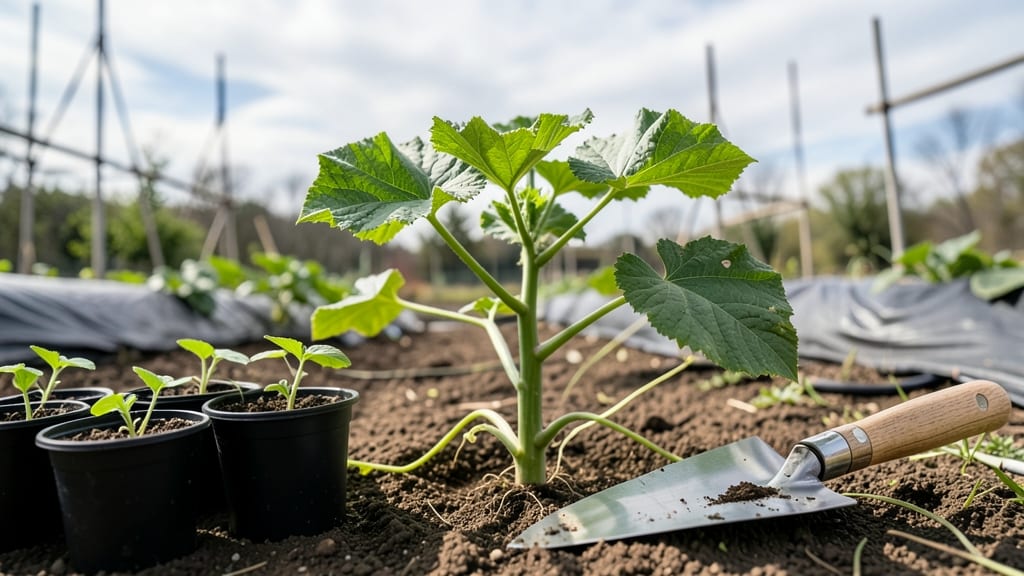
Timing your cucumber planting in New Hampshire can mean the difference between a bountiful summer harvest and a disappointing flop—especially when those unpredictable frost dates loom. With USDA zones 5a-6b and a short growing season, knowing exactly when to plant your 🥒 is the key to success.
Most gardeners in New Hampshire wait until after the last frost—typically mid-May to early June—but soil temperature matters just as much as air temperature. Planting too early when the ground is still chilly can stall germination, while waiting too long might cut your harvest short before fall frost arrives.
Whether you're starting seeds indoors for a head start or sowing directly into warmed soil, I’ll break down the best strategies for your zone. You’ll learn how to stretch your growing season, pick the right varieties, and avoid common NH pitfalls like powdery mildew.
Ready to turn your garden into a cucumber powerhouse? Let’s dive into the exact steps to maximize your yield—no guesswork required.
New Hampshire cucumber planting dates by USDA zone & frost-free timeline
New Hampshire’s USDA zones 4a-6b create a tricky balance for cucumbers—too early and frost zaps tender seedlings, too late and your harvest shrinks. The key is planting after your average last frost date, which typically lands in mid-May across most of the state.
However, microclimates near lakes or coastal areas can shift this window by 1-2 weeks earlier.
For direct sowing (planting seeds directly in the ground), aim for when soil temperatures hit 60°F or warmer. In colder inland zones like zone 4a, this might mean waiting until early June.
Warmer southern NH areas (zone 6b) can start as early as late April if you use black plastic mulch to accelerate soil warming.
Transplanting seedlings gives you more flexibility—just harden them off for 7-10 days before setting them out after the last frost. This method works well if you started seeds indoors under grow lights in early April.
Here’s how NH’s frost-free timeline breaks down by zone, including soil temperature thresholds and ideal planting windows:
| USDA Zone | Avg. Last Frost | Soil Temp. Threshold | Direct Sow Window | Transplant Window |
|---|---|---|---|---|
| 4a (Northern NH) | Mid-May | 65°F+ | Late May–Early June | Early June |
| 5a (Central NH) | Early May | 60°F+ | Mid-May–Late May | Late May |
| 5b (Southern NH) | Late April | 58°F+ | Late April–Early May | Early May |
| 6a/6b (Coastal NH) | Early–Mid April | 55°F+ | Mid-April–Late April | Late April |
Note: Use a soil thermometer to confirm readiness—cucumbers won’t germinate below 55°F.
Pro tip: NH’s short growing season (about 160 frost-free days) means fast-maturing varieties are your best bet. Choose 50-60 day varieties like ‘Straight Eight’ or ‘Bush Champion’ to maximize your harvest before first frost, typically around mid-October.
If you’re eager to start earlier, consider indoor seed starting in late March using a heat mat to keep soil warm. Transplant these seedlings outdoors after the last frost, but be prepared to protect them with row covers if late frosts linger.
For direct sowing, space seeds 1 inch deep and 2 feet apart in rows 3-4 feet apart. If using trellises, reduce spacing to 1 foot apart to save space and improve airflow, which reduces disease risk.
Monitor your local NH weather forecasts and adjust your timeline if late frosts are predicted. A 50°F night can kill young cucumber plants, so have frost cloth ready for emergencies.
Once planted, maintain consistent moisture—cucumbers need 1-2 inches of water weekly—and mulch heavily to retain soil warmth and suppress weeds. With the right timing, you’ll be harvesting crisp, homegrown cucumbers by early July! 🥒
Best cucumber varieties for New Hampshire’s climate & how to choose
New Hampshire’s cool summers and short growing season demand cucumber varieties that thrive in USDA zones 5a-6b while resisting common NH pests like powdery mildew. Not all cucumbers perform equally—some bolt too quickly, while others struggle with humidity.
I’ve tested the top 5 varieties that consistently deliver in my garden, balancing cold tolerance, disease resistance, and productivity.
For compact spaces, try ‘Bush Champion’—a bush-type cucumber that stays under 2 feet tall and produces slicing cucumbers in 50 days. It’s perfect for containers or small gardens where vining types would sprawl.
If you prefer long, classic slicers, ‘Straight Eight’ is a NH favorite, with 8-inch fruits and high heat tolerance for late-summer harvests.
🌱 Pro Tip: Always check seed packets for ‘parthenocarpic’ varieties (like ‘Diva’), which produce fruit without pollination—ideal if bees are scarce in your area.
🥒 Top Cucumber Varieties for NH
| Variety | Type | Days to Harvest | Cold Tolerance | Best For |
|---|---|---|---|---|
| Bush Champion | Bush | 50 days | Moderate | Containers, small gardens |
| Straight Eight | Vining | 60 days | High | Classic slicers, trellises |
| Marketmore 76 | Vining | 65 days | Very High | Market sales, pickling |
| Lemon Cucumber | Vining | 55 days | Moderate | Unique flavor, salads |
| Diva (Parthenocarpic) | Vining | 60 days | High | Greenhouses, low-bee areas |
All varieties thrive in NH’s 60°F+ soil and full sun.
When selecting seeds, prioritize disease-resistant labels like ‘PM’ (powdery mildew) or ‘CM’ (cucumber mosaic virus)—critical in NH’s humid summers. For late-season harvests, choose varieties with shorter days to maturity (under 60 days) to beat the first frost.
My go-to for extended harvests is ‘Marketmore 76’, which handles NH’s heat and produces until early October with proper care.
Avoid long-vining varieties like ‘Arkansas Little Leaf’ unless you have trellis space—they sprawl aggressively and can outgrow NH’s short season. Instead, opt for compact or semi-bush types to simplify care and maximize your garden’s efficiency.
If you’re unsure, start with ‘Straight Eight’—it’s a versatile, high-yielding workhorse that adapts to most NH microclimates.
🌿 Remember:* Always rotate crops annually to prevent soil-borne diseases. If you grew cucumbers last year, wait 3 years before replanting in the same spot.