
Plants
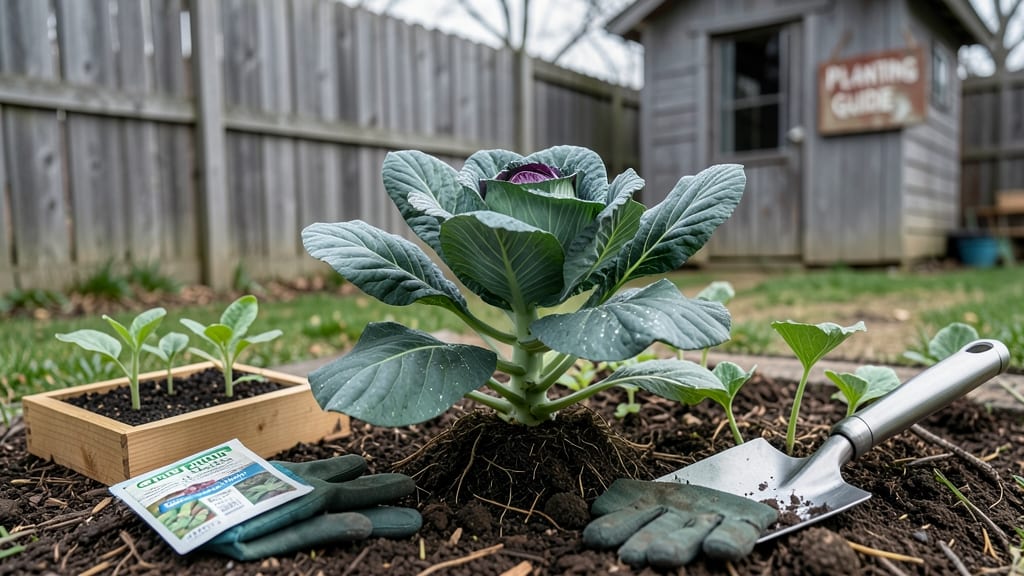
When to plant cabbage in Oklahoma can make or break your harvest—get it wrong, and you’ll end up with bitter greens or plants that bolt before they mature.
Oklahoma’s 6b-8a climate gives you two prime windows to grow 🥬 cabbage: spring and fall. But timing matters, especially since summer heat can turn your plants into sad, wilted messes.
The key? Planting 4-6 weeks before the last frost (usually late February to early April) or in July-August for a fall harvest.
Why does this matter? Because cabbage thrives in cool weather, and Oklahoma’s unpredictable shifts can leave your plants struggling.
I’ll walk you through the exact frost-free windows for your zone, plus how to adjust for heat waves and soil prep—so you can grow cabbage that’s crisp, flavorful, and ready to harvest by May-June or September-October.
Ready to avoid the common mistakes? Let’s dive into the best planting strategies for your Oklahoma garden.
Best planting times for cabbage in Oklahoma by variety type
Oklahoma’s USDA zones 6b-8a create a unique challenge for cabbage growers—too early, and frost zaps tender seedlings; too late, and summer heat sends plants bolting. The key is timing spring and fall varieties to align with your last frost date (March 15) and first frost (November 15).
Most gardeners in Oklahoma succeed with two planting windows: early spring and mid-summer for fall harvests.
For spring cabbage, start seeds indoors 6-8 weeks before your last frost (around January 15) or buy transplants in late February to early April.
This gives plants time to mature before Oklahoma’s 90°F+ heat arrives. Fall cabbage requires a different approach—plant seeds or transplants July 1–August 15 to ensure heads form before frost.
Not all cabbage varieties thrive equally in Oklahoma’s heat. Early-maturing varieties like ‘Golden Acre’ (58 days) work well for spring, while heat-tolerant types such as ‘Cavalo’ (85 days) handle summer planting better. Cold-hardy varieties like ‘January King’ (120 days) are perfect for fall and can even overwinter in Zone 7b+ with protection.
| Variety | Days to Maturity | Best Planting Window | Oklahoma Notes |
|---|---|---|---|
| Golden Acre | 58 | Late Feb–Early April | Ideal for spring; heat-sensitive |
| Cavalo | 85 | July 1–August 15 | Heat-tolerant; great for fall |
| January King | 120 | July 15–August 1 | Cold-hardy; overwinters in Zone 7b+ |
| Early Jersey Wakefield | 65 | Late Feb–Early April | Fast-growing; good for early harvests |
| Red Express | 70 | July 1–August 10 | Purple variety; heat-resistant |
If you’re in southern Oklahoma (Zone 8a), you can push your spring planting window slightly later—up to mid-April—since frost arrives later. Conversely, northern Oklahoma (Zone 6b) gardeners should start seeds indoors by January 1 to avoid frost damage.
Always check your local Oklahoma State University Extension for microclimate adjustments, as urban areas like Oklahoma City can be 5–10°F warmer than rural zones.
For container gardening, which is popular in Oklahoma’s urban areas, start seeds 2 weeks earlier than in-ground planting. Containers warm up faster, so adjust your schedule to match. Use 5-gallon pots for each plant to ensure roots have room to grow without competing for nutrients.
One common mistake is waiting until after the last frost to plant cabbage. By then, Oklahoma’s summer heat (often hitting 95°F+ by May) can cause bolting. Instead, time your planting so heads form in spring (May–June) or fall (September–October), when temperatures are cooler.
Use shade cloth (30–50%) if planting in late spring to protect seedlings from intense sun.
Pro tip: Succession planting every 2 weeks in spring and fall ensures a continuous harvest. For example, plant one batch in late February, another in mid-March, and a final batch in early July for a fall harvest in September–October.
This method maximizes your garden space and reduces the risk of losing an entire crop to heat or frost.
Finally, always harden off seedlings for 7–10 days before transplanting. Oklahoma’s windy conditions and temperature swings can shock tender plants. Acclimate seedlings gradually to outdoor conditions by placing them in partial shade during the day and bringing them indoors at night.
How to adjust planting for Oklahoma’s microclimates and heat waves
Oklahoma’s variable climate—from sudden heat waves to erratic rainfall—can derail even the most careful cabbage planting plan. But with smart adjustments, you can extend your growing season and avoid common pitfalls like bolting or stunted growth.
The key is understanding how to modify planting times and care routines based on your specific microclimate, whether you're in the Arbuckle Mountains or the Oklahoma City metro area.
For urban gardeners, container planting offers flexibility to move plants to shadier spots during heat spikes. Meanwhile, rural growers can leverage mulching techniques to retain moisture in Oklahoma’s often dry soils.
Both approaches require strategic watering—especially in July and August—to keep plants thriving when temperatures soar above 90°F.
Here’s how to adapt your cabbage planting for Oklahoma’s microclimates and heat waves, including a quick comparison of container vs. in-ground planting for different environments.
Container vs. In-Ground Planting for Cabbage in Oklahoma
Container Planting
- Pros: Move to shade during heat waves
- Pros: Warms up faster in spring
- Pros: Less soil compaction
- Cons: Dries out faster (needs daily watering in summer)
- Cons: Limited root space for large varieties
In-Ground Planting
- Pros: More stable moisture retention
- Pros: Supports larger cabbage heads
- Pros: Better for clay-heavy Oklahoma soils
- Cons: Harder to adjust for heat waves
- Cons: Requires more frequent soil checks
🌱 Tip: Use 5-gallon containers for dwarf varieties like ‘Golden Acre’ to balance mobility and root growth.
If you’re planting in late spring or early fall, watch for bolting triggers like sudden heat spikes above 85°F. To prevent this, use 30-50% shade cloth during peak afternoon sun and mulch with straw or wood chips to keep roots cool.
For summer planting, opt for heat-tolerant varieties like ‘Cavalo’ and start seeds indoors 6-8 weeks before your target outdoor date.
Another trick is to plant in succession—sow a few seeds every 2 weeks from July through August. This staggered approach ensures a continuous harvest before the first frost, even if some plants struggle with late-summer heat.
Pair this with drip irrigation to deliver water directly to the roots, reducing stress on the plant.
For urban gardeners with limited space, vertical growing is a game-changer. Use trellises or tall containers to grow varieties like ‘January King’ upward, freeing up ground space for other crops.
Just ensure your setup provides 6+ hours of sunlight daily—even in Oklahoma’s shadier microclimates, like those found in wooded areas or north-facing yards.
Finally, don’t overlook the power of companion planting. Pair cabbage with dill, onions, or lettuce to improve flavor and deter pests like cabbage moths. Avoid planting near tomatoes or strawberries, as they can compete for nutrients and attract shared pests.
With these adjustments, you’ll maximize your cabbage yield no matter where you garden in Oklahoma.