
Plants
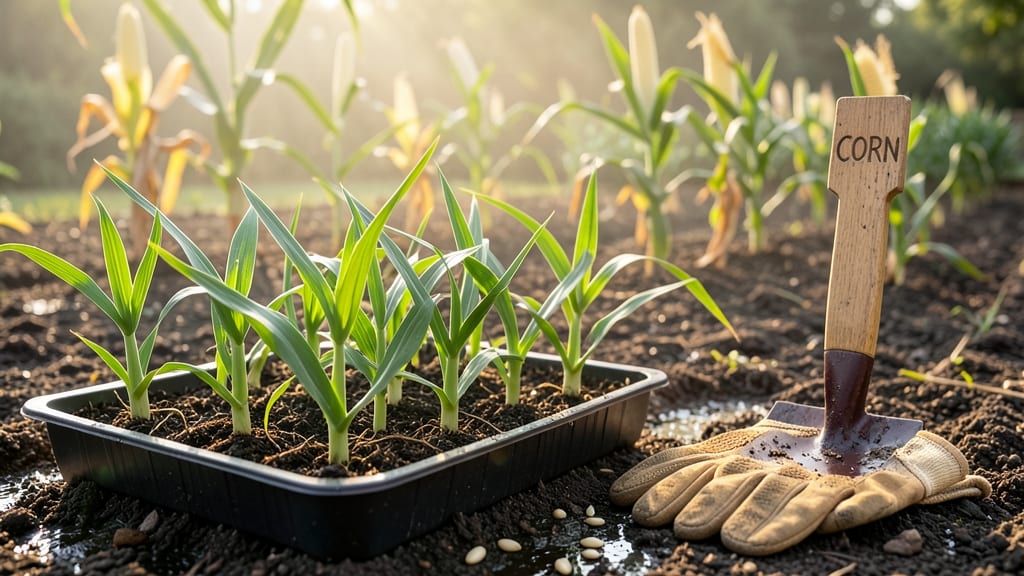
Knowing when to plant corn in Tennessee can mean the difference between a bountiful harvest and wasted effort. The 6a-8a zones across the state create wildly different planting windows—from Memphis' extended spring to the Appalachian Mountains' tighter schedule. Get it wrong, and you risk frost damage or stunted growth.
For most of Tennessee, the ideal window opens in mid-April after the last frost, but timing varies dramatically by county. Whether you're growing 🌽 sweet corn for summer meals or field corn for livestock, planting too early risks cold soil, while waiting too long cuts harvest potential.
I'll show you exactly when to start seeds in your specific area.
This isn't just about dates—it's about understanding your local microclimate. We'll cover how soil temperature, elevation, and even historical weather patterns affect your planting schedule. With the right approach, you can maximize your corn's growth potential and enjoy fresh ears from July through October.
Ready to turn your garden into a cornfield? Let's break down the exact planting windows, variety recommendations, and pro tips to help your corn thrive—no matter where you are in Tennessee. Your harvest success starts with timing, and I've got the county-specific details you need.
Tennessee corn planting zones by last frost dates (2024 guide)
Tennessee’s USDA Plant Hardiness Zones 6a-8a create dramatic differences in corn planting windows.
In West Tennessee (Zone 7b-8a), like Shelby and Fayette counties, you can plant as early as mid-March—but in East Tennessee’s higher elevations (Zone 6a), like Sevier or Sullivan counties, wait until late April to avoid frost damage.
These variations mean your last frost date could shift by 6 weeks from one end of the state to the other.
For sweet corn, which needs 90-120 days to mature, timing is critical. Plant too early in short-season areas, and you’ll lose plants to frost. Too late, and you’ll harvest small, underdeveloped ears.
The key is aligning your planting with soil temperatures above 60°F—corn seeds won’t germinate well in cooler soil, no matter how warm the air feels.
Here’s how Tennessee’s three main regions break down for 2024 planting, based on historical frost data and local agricultural extensions:
| Region | Last Frost Date | Ideal Planting Window | Best Varieties | Days to Maturity |
|---|---|---|---|---|
| West TN (Memphis, Nashville) | Late March - Early April | Mid-April to early May | Pioneer 39T23, Silver Queen | 70-90 days |
| Middle TN (Knoxville, Chattanooga) | Early to mid-April | Late April to early May | Peaches and Cream, Golden Bantam | 60-80 days |
| East TN (Bristol, Johnson City) | Mid-April to early May | Late April to mid-May | Early Sunglow, Tiny White Ear | 55-70 days |
Field corn and popcorn can handle slightly later plantings since they mature in 90-120 days, but even these varieties benefit from early starts. For example, in Shelby County (Memphis), you might squeeze in two plantings: one in early April for early harvests and another in late May for fall storage. Just ensure your second planting has enough time to mature before the first frost in October.
Use your local Cooperative Extension Service for hyper-local advice—some microclimates, like Nashville’s urban heat islands, can push planting dates 1-2 weeks earlier than rural areas. Check their frost-free date maps or call your county office for 2024-specific updates.
Pro tip: If you’re unsure about your exact last frost date, use the "50% chance of frost" rule. For example, if the average last frost is April 15, but the 50% chance date is April 22, wait until then to plant.
This gives you a 90% chance of avoiding frost damage to seedlings.
For short-season varieties like ‘Early Sunglow’ (55 days), even a late April planting in East Tennessee can yield full-size ears. Meanwhile, heat-tolerant varieties like ‘Pioneer 39T23’ can handle West Tennessee’s 90°F+ summers without bolting or reducing yield.
🌽
How to adjust corn planting time for Tennessee’s microclimates
Tennessee’s geography creates microclimates that can shift your corn planting window by weeks. For example, Memphis’ flatlands often warm faster than the Cumberland Plateau, where cooler air lingers.
Even within a single county, valleys may be 2-3 weeks earlier than mountain slopes. Understanding these variations ensures your corn seeds germinate at the right time.
Soil temperature is your best indicator of planting readiness. Corn seeds need consistent 60°F+ soil for reliable germination. In East Tennessee, this might mean waiting until late April or early May, while West Tennessee gardeners can often start by mid-April.
Always check with a soil thermometer—don’t rely solely on air temperature.
Elevation plays a huge role in frost timing. For every 1,000 feet gained, expect 3-5°F cooler temps and a 1-2 week later frost-free date. If you’re in Sevier County’s mountains, your last frost date could be May 10, while Shelby County’s might be March 25.
Adjust your planting date accordingly.
Use a soil thermometer at 60°F+ for 3 consecutive days before planting.
Consult Almanac frost maps or local extension offices for 3-year averages.
Add 1 week per 500 feet if planting above 1,500 feet.
Historical weather patterns can also shift planting windows. For instance, 2023’s late spring delayed planting in East Tennessee by 2-3 weeks compared to the 5-year average. Use NOAA climate data or local farming reports to spot trends.
If your area has seen repeated late frosts, consider staggered planting—sow half your seeds 2 weeks after the initial batch.
For high-elevation gardens (above 2,000 feet), extend your growing season with row covers or cold frames. These can push your planting window 2-3 weeks earlier and harvest window 1-2 weeks later.
Just remove covers when tassels emerge to prevent heat stress. In West Tennessee’s heat zones, focus on shade cloth during peak summer to protect silking stages.
Finally, observe your neighbors’ gardens. If their tomatoes or peppers are already flowering by mid-April, your corn soil is likely ready. But if frost-sensitive plants like eggplants aren’t thriving until May 1**, wait another week for your corn. Local cues often beat calendar dates.