
Plants
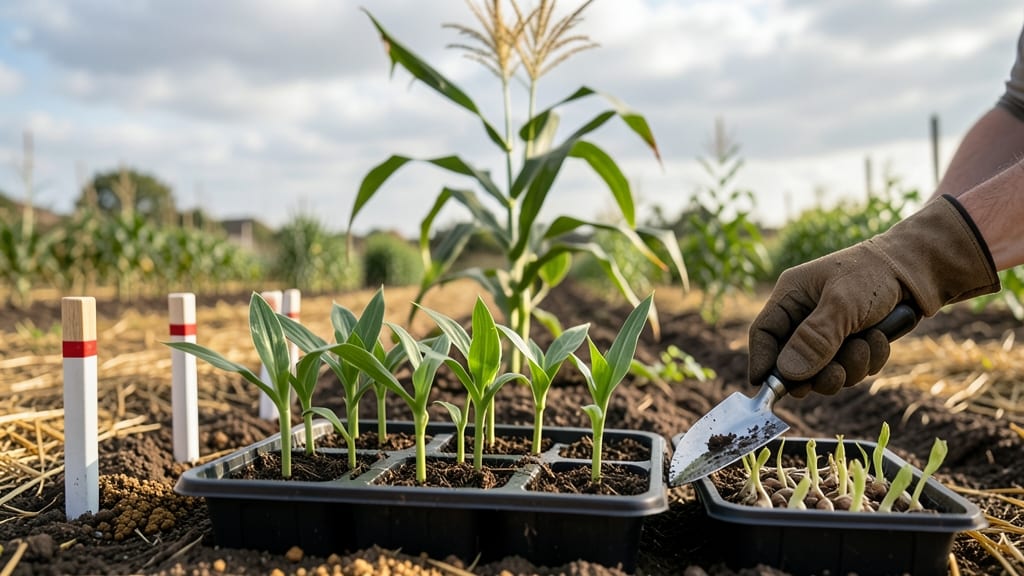
Timing your 🌽 corn planting in Mississippi can mean the difference between a bumper crop and a disappointing harvest. The state's warm climate and long growing season give you a perfect window—but getting it wrong could leave your plants vulnerable to frost or pests.
Most gardeners in Mississippi's 8a zone wait until late April or early May to plant corn, after the last frost date of March 15. This timing ensures your seeds germinate in soil that's warmed to at least 60°F, the ideal temperature for strong root development.
But here's the catch: different regions have slightly different microclimates. The Delta's cooler nights might need a later start, while the Gulf Coast's humidity could push you toward earlier planting. I'll show you exactly how to adjust based on your specific corner of the state.
From selecting the right varieties to watching for soil temperature cues, you'll learn the precise steps to maximize your corn's potential. Let's get your garden ready for a season of sweet, plump ears!
Mississippi corn planting dates by region: frost-free windows explained
Mississippi’s diverse climate means your corn planting timing should vary by region—whether you're in the cool Delta, moderate Central area, or the warm Gulf Coast. Each zone has slightly different last frost dates and soil warming patterns that dictate the perfect window for planting.
Getting this right ensures your corn has enough time to mature before fall frosts arrive.
For Mississippi gardeners, the ideal planting window falls between late April and early May across most regions, but adjustments are needed based on your specific location. The key is planting when soil temperatures consistently reach 60°F (15°C)—corn seeds won’t germinate well in cooler soils.
Let’s break down the exact timing for each region.
🌽 REGIONAL PLANTING GUIDE
| Region | Last Frost Date | Optimal Planting Window | Soil Temp Threshold | Notes |
|---|---|---|---|---|
| North Mississippi (Delta) | Mid-April | Late April - Early May | 60°F (15°C) | Coolest zone; wait for soil to warm |
| Central Mississippi (Jackson) | Early April | Early to Mid-April | 60°F (15°C) | Moderate climate; can plant slightly earlier |
| South Mississippi (Gulf Coast) | Late March | Mid-March to Early April | 55°F (13°C) minimum | Warmest zone; can plant earliest |
If you’re in North Mississippi, hold off until after April 15 to avoid late frosts that can damage young seedlings. The Delta region often experiences cooler soils longer, so use a soil thermometer to confirm warmth before planting.
In Central Mississippi, you can start as early as mid-April, but monitor weather forecasts for unexpected cold snaps.
The Gulf Coast offers the earliest planting window, with mid-March being ideal for early varieties. However, even here, a late frost can occur, so have row covers ready.
For all regions, aim to plant 2-3 weeks before your last frost date—this gives seedlings time to establish roots before the heat of summer arrives.
Mississippi’s frost-free season typically spans 210 days, but this varies by location. Corn needs 75-120 days to mature, so planting too late risks immature harvests.
For example, if you plant in early May in North Mississippi, you’ll likely harvest in late August to early September—just before fall frosts return.
Pro tip: Use black plastic mulch to warm soil faster in cooler regions. This can shave 1-2 weeks off your planting timeline by raising soil temperatures by 5-10°F. Just remove it once plants emerge to prevent overheating.
For successful germination, keep soil moist but not soggy until seeds sprout. In Mississippi’s humidity, this means checking soil daily—especially in sandy soils that dry out quickly. Once seedlings appear, reduce watering slightly to prevent fungal diseases like damping off, which thrives in wet conditions.
Remember, late plantings (after mid-May) may still yield corn, but expect smaller ears and lower sugar content in sweet corn varieties. If you’re growing field corn or popcorn, you have slightly more flexibility, but timing still impacts yield.
🌱 Plan ahead by marking your last frost date on your calendar and adjusting for soil temperature. With Mississippi’s climate, you’ve got a long growing season—use it wisely!
How to adjust corn planting time for soil temperature and variety
Mississippi’s soil temperature is your most critical planting cue for corn—seeds won’t germinate properly below 60°F. Use a soil thermometer to check depths of 1-2 inches before planting.
In the Delta region, wait until mid-May when nights stay warmer, while the Gulf Coast can start as early as late March if soil warms quickly.
For early-season varieties, like 'Silver Queen', plant in late April when soil reaches 60°F consistently.
These varieties tolerate cooler temps but need 75-80 days to maturity. Late-season varieties, such as 'Peaches and Cream', can wait until early May for a harvest in October, avoiding early frost risks.
⚠️ Callout Warning ⚠️
Corn seedlings can’t survive below 32°F. Even if soil is warm, a late frost will kill tender sprouts. Use row covers if planting near your region’s last frost date (March 15 for most of MS). For the Delta, err on the side of late planting—wait until soil is 65°F+ for better germination.
To test soil warmth without a thermometer, press your hand into the soil at planting depth. If it feels warm to the touch (like a hot cup of tea), it’s ready. For cooler areas, try black plastic mulch 1-2 weeks before planting to warm the soil faster.
Adjust planting times based on your corn variety’s maturity. Short-season varieties (60-70 days) like 'Ambrosia' are ideal for northern Mississippi, while long-season types (90+ days) thrive in the Gulf Coast.
Always check seed packets for days to maturity and count backward from your average first frost date (November 15).
Common mistakes include planting too deeply (deeper than 1.5 inches) or too shallowly (less than 1 inch), which affects germination. Also, avoid overcrowding—space seeds 4-6 inches apart in rows 30-36 inches wide for proper airflow and pollination. Use a planting board to maintain consistent depth and spacing.
If you miss the ideal window, consider succession planting every 2 weeks until early June. This extends your harvest season and reduces pest pressure. For organic gardeners, add compost or aged manure before planting to boost soil warmth and fertility—corn is a heavy feeder that needs consistent nutrients.