
Plants
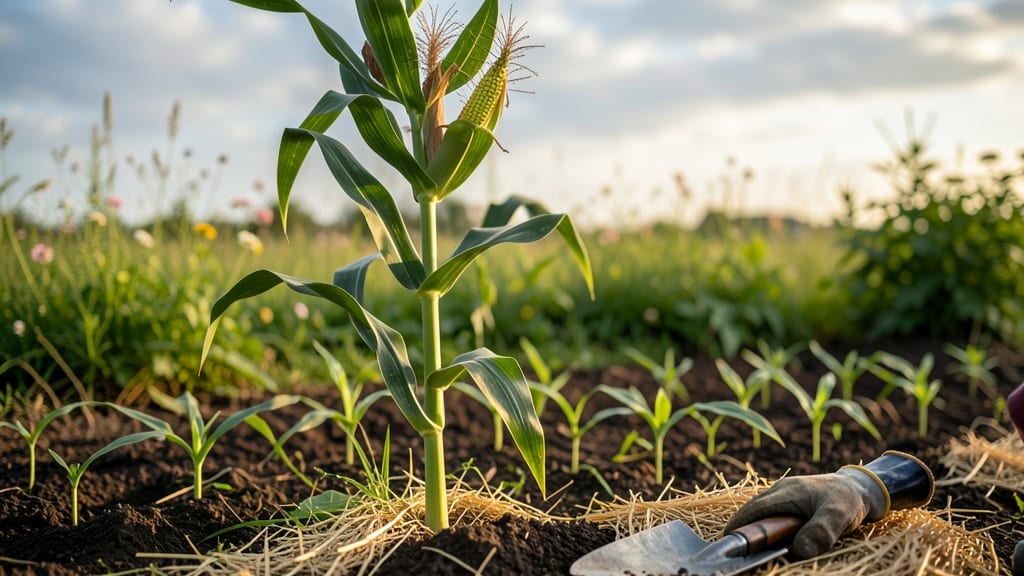
Timing your 🌽 corn planting in Houston wrong can mean the difference between a bumper crop and wasted effort—especially when unpredictable spring weather throws off your schedule.
Most gardeners here know the last frost date is around March 15, but that’s just the beginning. The real secret lies in waiting until the soil warms to at least 60°F—a critical step Houston’s humid climate often skips.
Plant too early, and your seeds will rot; too late, and summer’s brutal heat will stress your plants before they even mature.
In this guide, I’ll break down the exact 30-day window (mid-March to early May) when Houston’s conditions align perfectly for corn to thrive, plus how to adjust for urban heat islands or clay soil. You’ll also learn how to spot the ideal planting moment using simple, no-fuss tests.
Whether you’re a backyard gardener or dreaming of a full plot, these tips will help you avoid common mistakes and get your corn off to a strong start—no guesswork required.
Houston’s ideal corn planting timeline based on soil temperature and frost dates
Planting corn in Houston requires precision timing to beat the region’s unpredictable spring frost and soaring summer heat. The sweet spot for planting is when soil temperatures hit 60°F+ consistently, which typically falls between mid-March and early April.
This window aligns with Houston’s average last frost date (Feb 15-March 15), giving seedlings time to establish before the heat ramps up.
For fall planting, aim for late July to early August to ensure ears mature before the first frost (usually mid-December). Fall corn benefits from cooler temperatures but still needs 80+ frost-free days to reach harvest.
Missing these windows risks stunted growth or seedling death from soil-borne diseases or heat stress.
Here’s how to verify your soil is ready: Use a soil thermometer (bury it 2 inches deep for 24 hours) or check moisture—dry soil warms faster than damp soil.
If seeds feel cold to the touch, wait 1-2 weeks. Pro tip: Seed packets often list ideal soil temps; corn needs 60°F+ for reliable germination.
| Stage | Action | Houston Timeline |
|---|---|---|
| Soil Prep | Test pH (6.0-7.0), amend with compost | Late February |
| Planting Window | Sow seeds 1" deep, 4" apart | Mid-March to early April |
| Germination | Keep soil moist, 70°F+ | 7-14 days |
| Harvest Ready | Silks brown, kernels milky | Late June to August |
| Fall Planting | Late July to early August | October to November |
Houston’s urban heat islands can create microclimates where soil warms 2-3 weeks earlier than rural areas. If you’re in a concrete-heavy neighborhood, test soil temps a week ahead of suburban timelines. Conversely, shady or wooded lots may need delayed planting by 10-14 days to avoid cold snaps.
For emergency planting (e.g., missed the spring window), opt for fast-maturing varieties like ‘Silver Queen’ (60-70 days) or ‘Peaches and Cream’ (75 days). These can be sown as late as early May, though yields may be smaller.
Always pair late plantings with shade cloth to protect seedlings from intense afternoon sun.
Remember: Corn hates cold soil. If temps dip below 50°F at night, cover seedlings with row fabric until soil warms. This simple step can mean the difference between lush 10-foot stalks and wilting seedlings.
Pro move: Mark your calendar for April 15 as the absolute latest for spring planting. After that, Houston’s heat and humidity shift the odds against successful germination. Plan ahead!
5 Critical factors that determine your Houston corn planting success (and how to adjust)
Houston’s urban heat islands and clay-heavy soil create unique challenges for corn growers, but with the right adjustments, you can turn these obstacles into advantages.
The key is understanding how to adapt your approach based on your specific conditions—whether you’re planting in a raised bed downtown or a rural plot with better drainage.
First, consider seed selection. Early-maturity varieties like ‘Silver Queen’ (60-70 days) thrive in Houston’s heat, while late-season types risk bolting before harvest. For fall plantings, opt for ‘Peaches and Cream’, which handles shorter days better.
Always check seed packets for days to maturity—this tells you exactly when to expect harvest based on your planting date.
Next, spacing matters more in Houston than in cooler climates. Crowded plants compete for sunlight and water, leading to poor ear development. Space seeds 12-18 inches apart in rows 3 feet apart to allow airflow and reduce fungal risks from Houston’s humidity.
If you’re short on space, try bush varieties like ‘Bodacious,’ which grow just 5-6 feet tall.
Don’t overlook watering strategies, either. Corn needs 1-2 inches of water weekly, but Houston’s sudden downpours can drown roots. Use drip irrigation or soaker hoses to deliver water slowly at the base, avoiding wetting the leaves (which invites fungal diseases like gray leaf spot).
Finally, monitor humidity levels. If your area’s humidity stays above 70% for 3+ days, increase airflow with a small fan or prune lower leaves to improve circulation. This simple step can double your yield by preventing mold and mildew.
By tackling these five factors head-on, you’ll create an environment where your corn can focus on growing instead of fighting. The payoff? Juicy, sweet ears that rival anything you’ve bought at the store—all thanks to Houston-friendly adjustments.