
Plants
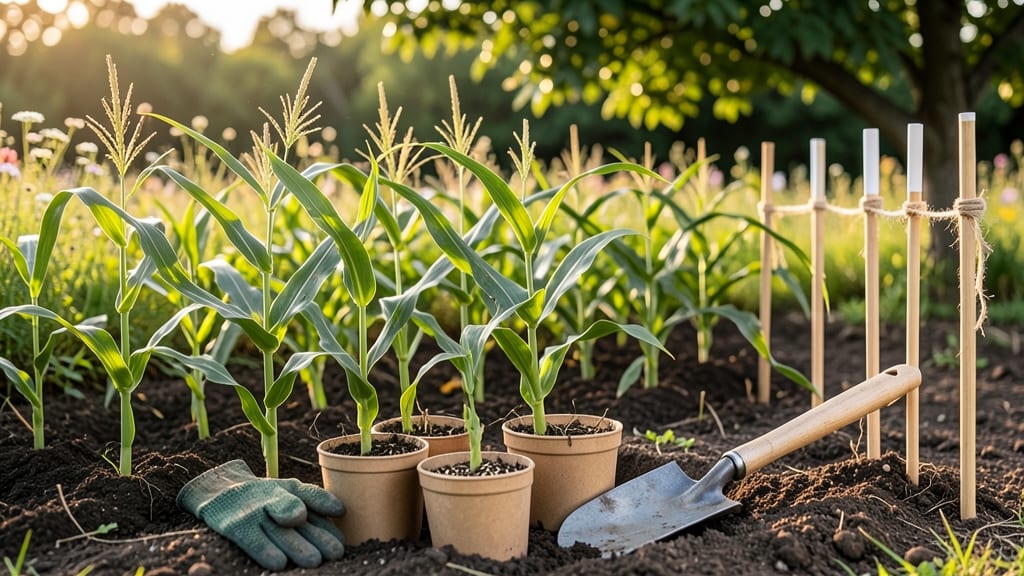
Timing your 🌽 corn planting in Portland, Oregon, isn’t just about following a calendar—it’s about reading the soil, the sky, and even your neighborhood’s microclimate.
With USDA Zone 8a temperatures that can swing from chilly mornings to unexpectedly warm afternoons, planting too early risks frost damage, while waiting too late might leave you with stunted ears.
Most gardeners in Portland aim for mid-April to early May, but the real secret lies in waiting for that 60°F soil temperature—a threshold that signals it’s finally safe to drop those seeds.
Urban heat islands in neighborhoods like Southeast Portland can push that window earlier, while cooler pockets near the Willamette River might need a few extra weeks.
You’ll also want to choose varieties that play nice with Portland’s 150–180-day growing season, like ‘Ambrosia’ or ‘Peaches and Cream,’ which mature in 75–90 days and won’t leave you racing against the first frost in October.
But here’s the kicker: even with the perfect timing, companion planting and spacing can make or break your harvest.
Let’s break down exactly when to plant, which varieties thrive here, and how to stretch that growing season just enough to get sweet, plump ears before the rains return. Ready to turn your backyard into a corn patch?
Portland’s frost-free window for corn planting: exact dates & soil temperature guide
Corn thrives in warm soil and long summer days, but Portland’s USDA Zone 8b/9a climate makes timing critical. The average last frost date hovers between April 15–May 15, but frost pockets in valleys or urban areas can delay warmth by weeks.
Always wait until soil temperatures hit 60°F+—corn roots won’t develop properly in cooler soil.
For reliable success, plant corn 2–3 weeks after your last frost date. In Portland, this typically means late April to early May.
Check the National Weather Service Portland or local almanacs for real-time updates, as microclimates (like urban heat islands) can shift your planting window by 10–14 days earlier or later.
🌱 Pro Tip: Use a soil thermometer ($10–$15) to confirm readiness—corn seeds won’t sprout below 55°F, and growth stalls under 60°F.
🌽 Portland Corn Planting Timeline
| Stage | Action | Key Details |
|---|---|---|
| Soil Prep | Test pH (6.0–7.0) | Add compost; avoid fresh manure. |
| Planting Window | Late April–Early May | Wait for 60°F+ soil and 2 weeks post-frost. |
| Germination | 7–14 days | Keep soil consistently moist (not soggy). |
| Harvest Ready | July–Early Sept | Silks brown + kernels milky-white. |
| First Frost Risk | Mid-October | Use row covers to extend season. |
🌡️ Critical: Soil temp >60°F = faster growth; <60°F = stunted plants.
Portland’s short growing season (150–180 frost-free days) demands precision. If you plant too early, cool soils delay germination, while late planting risks immature ears before frost. For maximum yield, aim to harvest by early September—after that, ears may not develop properly.
💡 Local Adaptation: Urban gardens in downtown Portland (heat islands) may plant 1–2 weeks earlier than rural areas like Hillsboro. Monitor Portland State University’s weather station for hyper-local data.
Corn also needs 8+ hours of sunlight daily. In Portland, this means planting in south-facing beds or near tall structures that reflect sunlight. Shade from trees or buildings can halve your yield—choose a spot with unobstructed morning sun.
🌿 Soil Prep
Best corn varieties for Portland’s short growing season & how to time them
Portland’s 150–180-day growing season demands corn varieties that mature quickly but still deliver sweet, flavorful ears. The wrong choice can leave you with underdeveloped kernels or ears that never fully form before the first frost in mid-October.
Luckily, hybrid varieties like ‘Ambrosia’ and ‘Peaches and Cream’ thrive here, offering 75–90 days to harvest while resisting common Portland pests like corn earworm.
For organic gardeners, ‘Country Gentleman’ is a reliable heirloom that matures in 85–90 days and adapts well to cooler soils. If you’re short on space, consider ‘Golden Bantam’—a dwarf variety that reaches just 5–6 feet but still produces 6-inch ears.
Just remember: shorter varieties need closer spacing (18–24 inches apart) to pollinate effectively.
Timing your planting is just as critical as variety selection. In Portland, aim to sow seeds 2–3 weeks after your last frost date (typically mid-April to early May), but adjust based on soil temperature.
Use a soil thermometer to confirm the ground has warmed to 60°F or higher—cool soils delay germination and stunt early growth. For a second harvest, try succession planting in early June with fast-maturing varieties like ‘Silver Queen’ (80 days).
Pro tip: Plant in blocks, not rows, to ensure cross-pollination. A 4x4 foot plot with 4–5 plants per variety is ideal for home gardeners. If you’re pushing the season with row covers, opt for ‘Early Sunglow’ (70 days)—it tolerates cooler soils and still delivers buttery-sweet kernels.
Just be prepared to remove covers during pollination (when tassels appear) to allow bees access.
Finally, monitor your corn’s progress with a harvest tracker. Mark planting dates on a calendar and count backward from your average first frost (October 15) to ensure your chosen variety has enough time to mature.
For example, if you plant ‘Ambrosia’ on May 1, it should be ready by July 15—leaving plenty of buffer for Portland’s unpredictable weather.
🌽 With the right variety and timing, you’ll be grilling fresh Portland-grown corn by mid-summer—just in time for those first warm BBQ nights.