
Plants
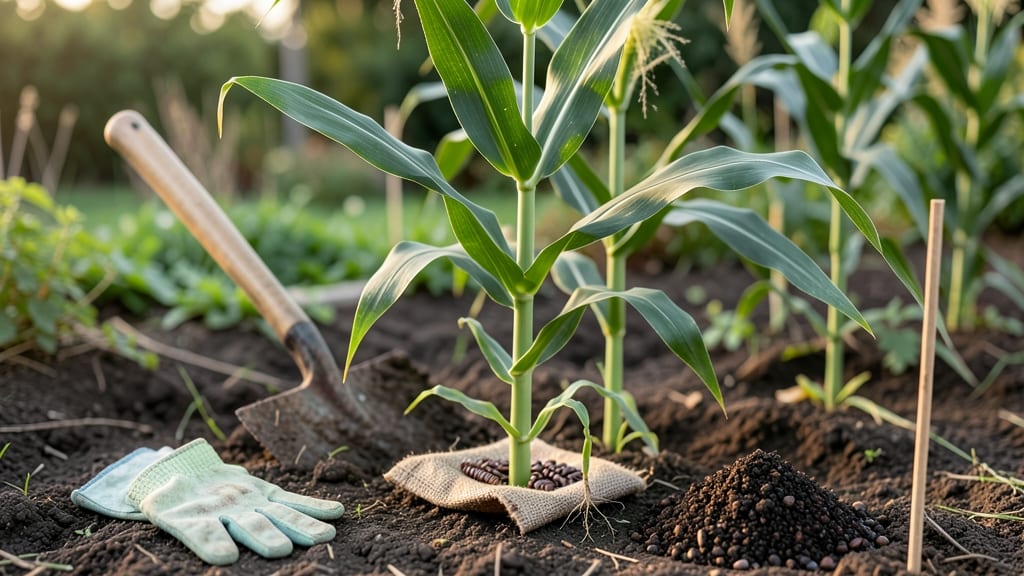
Timing your 🌽 corn planting in Connecticut just right can mean the difference between a bumper crop and wasted seeds—especially when unpredictable frosts threaten your harvest.
The key lies in understanding your specific USDA zone (5b-6b) and working with Connecticut’s average last frost dates, which typically land between mid-April and early May.
Plant too early, and cold soil can stunt growth or trigger bolting. Wait too long, and you might miss the 75-120-day window needed for mature ears.
I’ll walk you through the exact planting windows for early, mid, and late-season varieties, plus soil prep tips to give your corn the best possible start.
Whether you’re a first-time gardener or a seasoned grower, getting this right ensures sweet, tender corn from July through September. Let’s break down the science—and save you from common mistakes that lead to disappointing yields.
From choosing cold-tolerant varieties to adjusting for Connecticut’s unpredictable weather, you’ll learn how to maximize your garden’s potential. Ready to plant with confidence? Let’s get started.
Connecticut corn planting zones: frost dates & ideal timing by region
Connecticut’s USDA zones 5b-6b mean your last spring frost can arrive as early as mid-April in western regions or as late as late May in coastal areas. To avoid bolting (premature flowering), plant corn 2-3 weeks after your average last frost date.
For example, if your frost date is May 1, aim for May 15 planting.
Corn thrives in warm soil (60°F+), so even if frost has passed, check soil temperatures with a soil thermometer. In Zone 5b (northern CT), wait until late May for safety.
In Zone 6b (southern CT), early May plantings often work. Succession planting every 2 weeks extends your harvest window.
Here’s a quick reference for Connecticut’s frost-free growing season:
- Western CT (Zone 6b): 150-160 frost-free days
- Central CT (Zone 5b-6a): 140-150 frost-free days
- Coastal CT (Zone 6a): 130-140 frost-free days
Choose early-maturing varieties (60-75 days) for shorter seasons.
For urban gardeners or those with limited space, consider bush corn varieties like ‘Golden Bantam,’ which mature in 60-70 days and grow to just 4-5 feet tall. These work well in containers or raised beds and can be planted as late as June 1 for a fall harvest.
Use black plastic mulch to warm soil faster and retain moisture, especially in Zone 5b areas. Lay mulch 1-2 weeks before planting to create a warmer microclimate. Remove mulch once soil reaches 60°F to prevent overheating.
If you’re unsure about your last frost date, check the National Weather Service or use Almanac.com’s frost calculator.
For Connecticut-specific data, the UConn Home & Garden Education Center provides localized frost maps. Pro tip: Plant a test row 2 weeks early in a sheltered spot to gauge soil warmth.
In cooler microclimates (e.g., near bodies of water), delay planting until May 15 to avoid stunted growth. Conversely, south-facing slopes in western CT can support April 15 plantings if soil is warm enough. Always prioritize soil temperature over calendar dates.
For succession planting, stagger plantings every 10-14 days until June 1. This ensures a continuous harvest and maximizes your garden’s potential.
For example: - First planting: May 1 - Second planting: May 15 - Third planting: June 1 Each batch will mature 2 weeks apart, giving you fresh corn for 6+ weeks.
Remember: Corn is wind-pollinated, so plant at least 4 rows (20-30 plants) for cross-pollination. In small gardens, interplant with beans or squash to improve yields. Save seeds from your best ears for next year’s heirloom corn!
How to adjust corn planting for Connecticut’s unpredictable weather
Connecticut’s weather can be as unpredictable as a New England winter—one day it’s warm enough to plant, and the next, a frost warning sends shivers down your spine. To avoid bolting or stunted growth, I’ve learned to adjust my planting strategy based on soil temperature, not just air temperature.
A soil thermometer is your best friend here; aim for 50°F (10°C) at a depth of 1 inch before planting.
If late frosts are in the forecast, use row covers or black plastic mulch to warm the soil faster. These tricks can shave weeks off your growing season, giving your corn the head start it needs.
I’ve even planted under mini hoop tunnels in early April for varieties like ‘Early Sunglow,’ which matures in just 65 days—perfect for beating the clock.
🌱
⚠️ Watch for These Red Flags
Cold soil stunts roots: If soil temps drop below 50°F (10°C), germination slows or stops. Use a soil thermometer to check before planting.
Late frosts trigger bolting: If flowers appear too soon, ears won’t develop properly. Choose cold-tolerant varieties like ‘Bodacious’ or ‘Peaches and Cream’ for flexibility.
Heatwaves stress seedlings: If temps exceed 90°F (32°C) before plants establish roots, they’ll wilt. Mulch heavily and water deeply in the morning.
Succession planting is another trick I swear by. Instead of planting all your corn at once, stagger seeds every 2 weeks from late April through early June. This spreads out your harvest and reduces the risk of losing everything to a single late frost.
For example, plant ‘Silver Queen’ in late April, then repeat with ‘Ambrosia’ in early May for a continuous supply.
If you’re pushing the envelope with late-season planting, opt for short-day varieties like ‘Golden Bantam,’ which matures in just 70 days. These are ideal for June plantings, giving you a second chance at harvest before the first frost.
Just be prepared to protect them with row covers if frost threatens in September.
Finally, don’t underestimate the power of black plastic mulch. It warms the soil by 5-10°F, speeds up germination, and suppresses weeds. I’ve seen corn emerge 3-5 days faster with this simple trick—especially valuable in Connecticut’s cool springs.
Combine it with drip irrigation to keep moisture consistent, and you’ll give your corn the best shot at success.
With these adjustments, you can outsmart Connecticut’s weather and still enjoy fresh, homegrown corn from July through September. The key is flexibility—stay ready to adapt, and your garden will thank you. 🌽