
Plants
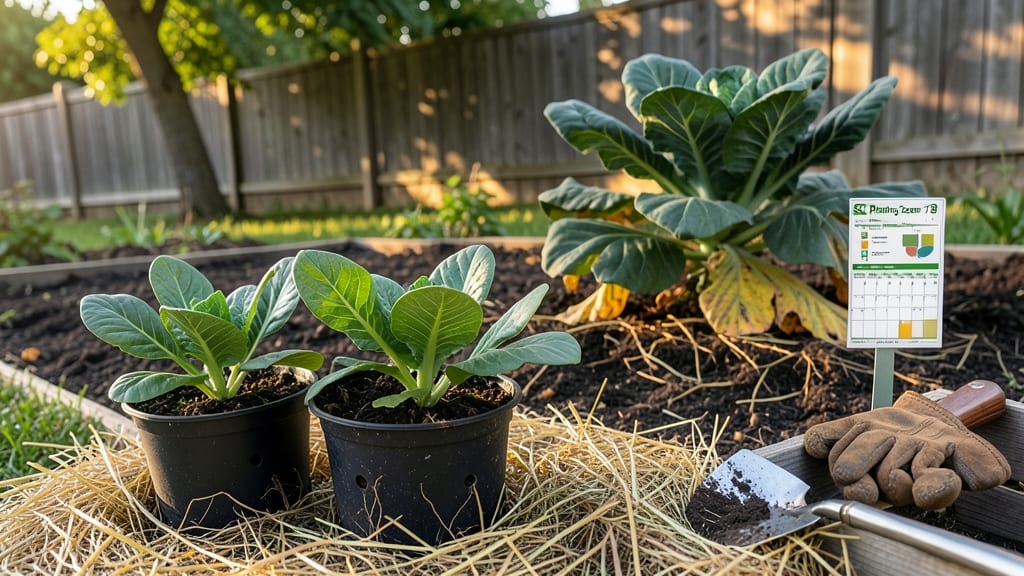
Planting collards in South Carolina at the wrong time can turn your crisp, flavorful harvest into bitter, bolted disappointment—but timing them right means zero-bolt, frost-resistant greens for months.
The key to success lies in South Carolina’s unique climate, where mild winters and long growing seasons create two perfect windows: late summer/fall and early spring.
If you’ve ever wondered why some gardeners get tender collards all winter while others struggle, it’s all about avoiding heat stress and frost surprises. In zones 7b-8a, your best bets are August-September for fall harvests or March-April for spring, but there’s a trick to extending them even longer.
I’ll show you exactly how to align planting with South Carolina’s frost dates—including coastal vs. Piedmont variations—to keep your 🥬 producing through December and into March. No more guessing when to start seeds or transplants; just a foolproof schedule that works with your local weather.
Ready to turn your garden into a year-round collard powerhouse? Let’s dive into the exact planting calendar that’ll have you harvesting crisp leaves when everyone else is shivering—and how to protect them through frost without losing flavor.
Optimal collard planting times in South Carolina by season
South Carolina’s USDA Zones 7b-8a create perfect conditions for collard greens, but timing is everything to avoid bolting or stunted growth. The ideal planting windows align with soil temperatures and frost dates—typically late summer to early fall for fall harvests and early spring for spring production.
Let’s break down the exact schedule for your region.
For fall harvests, aim to plant 4-6 weeks before the first frost (usually mid-August to early September). This gives collards enough time to mature before cold weather sets in.
In spring, plant 4-6 weeks after the last frost (around mid-March to early April) to ensure strong growth before summer heat arrives. These windows maximize your frost-resistant harvests.
Here’s the seasonal breakdown of planting times, soil temperature requirements, and key considerations to avoid common pitfalls like bolting or poor flavor:
| Season | Planting Window | Soil Temp (°F) | Key Considerations | Harvest Time |
|---|---|---|---|---|
| Fall | Mid-August to early September | 55-65°F | Avoid bolting by planting before 90°F soil temps; use shade cloth if summer heat persists. | October to December |
| Spring | Mid-March to early April | 50-60°F | Wait until soil warms to prevent rot; mulch to retain moisture. | April to June |
| Late Summer (Succession) | Early July to mid-August | 60-70°F | Plant slow-bolting varieties like 'Georgia Southern'; use drip irrigation to manage heat stress. | September to October |
In coastal South Carolina, where winters are milder, you can extend fall planting into early October for harvests through December. Meanwhile, the Upstate and Piedmont regions may experience earlier frosts, so adjust planting to late July to early September for fall crops.
Always check your local frost dates—they can vary by 1-2 weeks depending on elevation and microclimates.
One of the biggest mistakes gardeners make is planting collards too early in spring or too late in summer. Cold soil in early spring can stunt growth, while late summer heat (above 85°F) triggers bolting, causing bitter leaves.
To avoid this, test your soil temperature with a thermometer—collards thrive in 55-75°F soil. If your soil runs hotter, opt for shade-tolerant varieties or use row covers.
For year-round harvests, consider succession planting: Sow a new batch every 2-3 weeks from July through September. This ensures a steady supply of tender leaves without gaps.
Pair this with mulching (using straw or leaves) to protect roots from temperature swings—a critical tactic in South Carolina’s variable fall weather.
Pro tip: If you’re in Zone 8a (common in the Lowcountry), you can even plant a winter crop in December for harvests in late winter or early spring.
Just cover young plants with frost cloth during cold snaps to prevent damage. This extends your growing season by 2-3 months compared to traditional schedules.
Finally, remember that collards are cold-hardy but not drought-tolerant. In South Carolina’s humid summers, prioritize consistent moisture—especially during bolting-prone heat waves. A drip irrigation system or soaker hose keeps roots cool and prevents stress.
With the right timing and care, you’ll enjoy crisp, flavorful collards from fall through spring—no bolting in sight!
Optimal collard planting times in South Carolina by season
South Carolina’s USDA zones 7b-8a give collards a unique advantage—they thrive in mild winters and can produce year-round harvests with the right timing. The key is planting 4-6 weeks before the first frost (mid-November) for fall crops or 4-6 weeks after the last frost (mid-April) for spring.
This schedule ensures your collards mature before extreme heat or cold triggers bolting.
For fall harvests, focus on planting between mid-August and early September. This window lets collards establish roots while still benefiting from warm soil before cooler temps set in. For spring harvests, aim for March to early April—just as soil warms but before summer’s peak heat arrives.
Coastal areas (like Charleston) may push planting slightly later due to milder winters.
Here’s the exact timing breakdown for South Carolina’s regions, including soil temperature and frost considerations:
| Season | Planting Window | Soil Temp (°F) | Harvest Window | Key Tip |
|---|---|---|---|---|
| Fall | Mid-August–Early September | 60–75°F | October–December | Use row covers after first frost for sweeter leaves. |
| Spring | March–Early April | 50–65°F | April–June | Start seeds indoors in February for earlier transplants. |
| Summer (Succession) | June–July (shade cloth) | 70–80°F | August–September | Provide 30–50% shade to prevent bolting. |
Avoid planting collards in late spring (May–June) unless you use shade cloth—South Carolina’s heat (often exceeding 90°F) causes them to bolt prematurely. Instead, treat summer as a succession-planting window with partial shade.
For coastal areas, extend fall planting to early October, while Upstate SC gardeners should start by mid-August to beat earlier frosts.
Test soil temperature with a soil thermometer—collards germinate best in soil above 50°F. If temps drop below 40°F, use black plastic mulch to warm the soil faster. For container gardening, plant in 5-gallon pots and move them to sunny spots after transplanting to avoid root shock.
Pro tip: Direct-sow seeds in late summer for fall crops—transplants struggle in SC’s heat. Space seeds 12–18 inches apart in rows 2 feet apart to allow airflow and reduce disease risk. Thin seedlings to the strongest 6–8 inches tall to avoid competition.
With these timing cues, you’ll enjoy crisp, flavorful collards from fall through spring—no bolting in sight! 🥬