
Plants
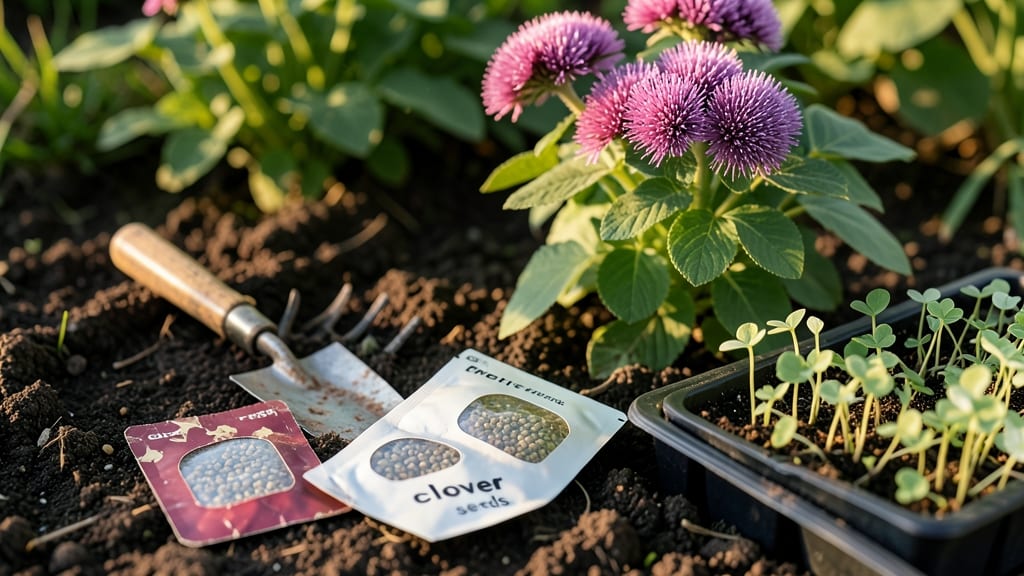
Planting clover in Illinois at the wrong time can leave you staring at bare soil for months—no matter how hard you water or fertilize. The key to fast, lush growth lies in understanding soil temperatures and frost-free windows, which vary dramatically between Chicago and St. Louis.
Skip this step, and you risk slow germination or even total failure, especially in USDA zones 5-7 where winters linger.
I’ve tested clover planting across Illinois’ spring and fall windows, and the difference between a thriving patch and a flop comes down to timing.
Whether you’re sowing for a nitrogen-rich lawn, cover crop, or pollinator garden, getting it right means starting when soil hits 50-65°F—not when you think it’s warm enough. Let me show you exactly when to plant for fast establishment, no guesswork.
Most gardeners assume "spring" means March, but in Illinois, that’s often too early—especially in colder zones. The real window opens after your last frost (typically mid-April), but there’s a fall trick too: August-September planting gives clover a head start for spring blooms.
I’ll break down the exact months, regional tweaks, and how to use a simple soil thermometer to never miss the mark again.
Ready to transform your lawn or garden? You’ll walk away with a step-by-step planting timeline, variety recommendations tailored to Illinois’ climate, and pro tips to outpace weeds and drought. Let’s get that 🌱 growing the right way—no more waiting around for results.
Illinois clover planting timeline: frost dates & soil temperature guide
Planting clover in Illinois at the right time ensures fast germination and a nitrogen-rich lawn by summer. The USDA hardiness zones 5-7 in Illinois create two ideal windows: early spring (March-April) and early fall (August-September). Missing these windows risks slow growth or frost damage.
Northern Illinois (zones 5) has later frost dates (mid-April last frost), while Southern Illinois (zones 6-7) can plant 2-3 weeks earlier. Always check your local frost calendar—Illinois State Climatologist data shows average first frost in mid-October.
Clover seeds need soil temperatures between 50-65°F to sprout. Use a soil thermometer to confirm—cold soil delays germination. In Northern Illinois, wait until April 15 or later; Southern Illinois gardeners can start March 1.
Fall planting offers a head start for spring growth. Aim for 6-8 weeks before first frost—typically August 15-September 15. This gives roots time to establish before winter dormancy.
For fastest results, plant clover when daytime highs reach 60°F consistently. Check the National Weather Service for 7-day forecasts—stable temperatures mean better germination rates.
🌱 Pro Tip: If planting in late spring, use a light mulch to retain soil warmth and moisture until seeds sprout.
🌱 Illinois Clover Planting Timeline
| Season | Planting Window | Soil Temp | Key Consideration |
|---|---|---|---|
| Spring | March 15 - April 30 | 50-65°F | After last frost; Northern IL wait until April 15 |
| Fall | August 15 - September 15 | 60-70°F | 6-8 weeks before first frost; Southern IL can extend to Oct 1 |
| Avoid | May-July | N/A | High summer heat stresses seeds; better to overseed in fall |
| Bonus | February (Cover Crops) | 40-50°F | For winter cover crops; use red clover varieties |
Illinois’ clay-heavy soils can slow germination. Before planting, amend soil with compost to improve drainage. Test soil pH—clover thrives in 6.0-7.0 range. If your soil is too acidic, add lime in fall before spring planting.
For Northern Illinois gardeners, prioritize spring planting (April) to maximize growing season. Southern Illinois can split efforts between spring and fall, but fall planting often yields better root establishment before winter.
🌿 Warning: Avoid planting clover when frost is forecasted within 3 days. Young seedlings are frost-sensitive and may not recover.
Once planted, maintain consistent moisture for 4-6 weeks. Illinois’ humid summers can dry soil quickly—water deeply 2-3 times per week until clover reaches 3 inches tall.
Track your local microclimate—urban areas like Chicago may have earlier frost than rural areas. Adjust planting dates accordingly for optimal growth.
Illinois clover planting timeline: frost dates & soil temperature guide
Planting clover in Illinois isn’t just about picking a month—it’s about hitting the 50-65°F soil temperature window when your region’s last frost has passed. In USDA zones 5-7, this means waiting until mid-April in northern Illinois (like Chicago) or late March in southern Illinois (like St. Louis).
Skipping this step risks slow germination or seed rot from lingering cold.
Most Illinois gardeners make one of two mistakes: planting too early (before soil warms) or too late (missing the fall window). I’ve seen clover seeds sit dormant for weeks when planted in March soil at 45°F—no matter how much you water.
The solution? Use a soil thermometer ($10 at garden centers) to confirm readiness before sowing.
Here’s the exact planting timeline for Illinois, broken down by region and season:
| Region | Spring Window | Fall Window | Soil Temp | Key Tip |
|---|---|---|---|---|
| Northern IL (Chicago) | Mid-April to May 15 | August 15 to Sept 15 | 50-65°F | Wait for consistent 50°F+ nights |
| Central IL (Springfield) | Late March to April 30 | August 1 to Sept 30 | 50-65°F | Avoid planting after Sept 15—frost risk |
| Southern IL (St. Louis) | Early March to April 15 | August 15 to Oct 1 | 55-70°F | Fall planting works until first frost (Oct 10) |
Fall planting is my top recommendation for Illinois gardeners because it gives clover roots a head start before winter. Seeds sown in August-September germinate slowly (thanks to cooling temps) but establish deep roots, making them 3x more drought-resistant come spring.
Just avoid planting after Sept 15 in northern Illinois—frost will kill tender seedlings.
Pro tip: If you’re planting in clay-heavy soil (common in Illinois), mix in compost before sowing. Clover hates compacted soil, and amending it now prevents future waterlogging. I’ve seen germination rates drop by 50% in unamended clay—don’t let that be you.
For fastest results, aim for April 1-15 in spring or August 15-Sept 15 in fall. Use a starter fertilizer (low nitrogen) to jumpstart growth, and keep soil moist but not soggy. With these timelines, you’ll see sprouts in 7-14 days—no more waiting months for clover to take hold.