
Plants
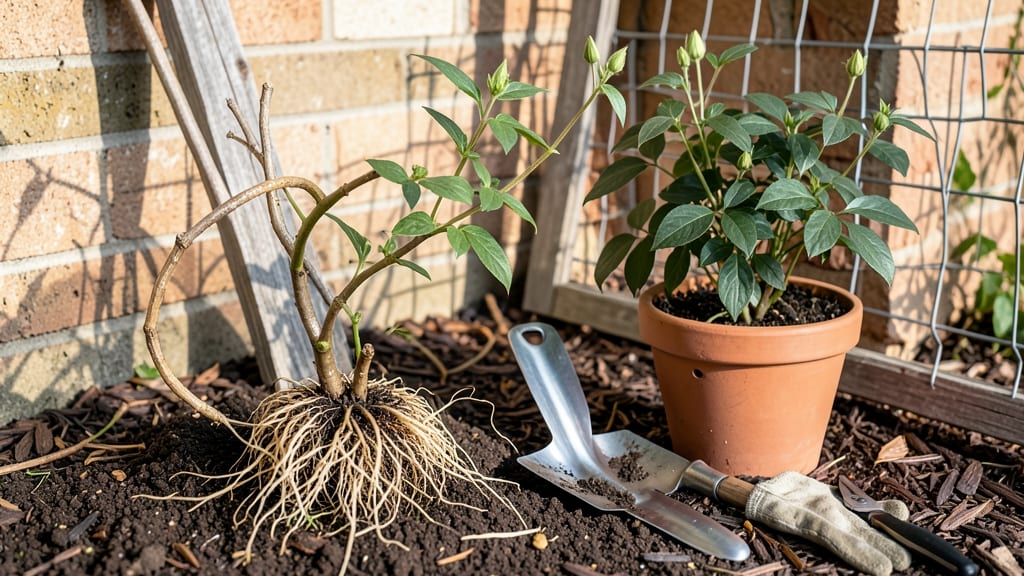
Timing your clematis planting in Colorado isn't just about the calendar—it's about outsmarting the state's unpredictable frost patterns that can turn your 🌸 clematis dreams into a frozen disappointment.
Whether you're in Denver's urban heat pockets or the high-altitude Western Slope, getting those roots in the ground at the right moment means the difference between lush vines and a sad, wilted investment.
Most Colorado gardeners assume spring is the only window, but fall planting actually gives your clematis a head start on root growth before winter—just don't wait too late.
With USDA zones 5-7 across the state, your frost-free deadlines shift dramatically depending on elevation, and missing them by even a few weeks could leave your plants vulnerable. I'll show you how to calculate your exact planting window using Colorado State University's frost data, so you can plant with confidence.
Here's the game-changer: urban Denver gardens often warm up 2-3 weeks earlier than rural areas, while mountain foothills can lag by weeks. We'll break down how to adjust your schedule using soil thermometers and local weather forecasts—because in Colorado, one size doesn't fit all.
Whether you're planting hardy 'Jackmanii' or late-blooming 'Niobe', knowing these microclimate quirks will set you up for zero frost risk and maximum blooms.
Ready to transform your garden into a clematis paradise? Let's dive into the exact dates, variety-specific tips, and pro tricks that'll have your vines thriving from spring to fall—no matter where in Colorado you're gardening. Your perfect planting window is closer than you think.
Colorado’s frost zones & ideal clematis planting windows by region
Colorado’s USDA hardiness zones 4-7 create wildly different planting windows for clematis—what works in Denver’s Zone 5 can fail in Grand Junction’s Zone 7. The key is aligning your planting schedule with your last frost date, which can vary by 10-14 days between mountain valleys and high plains.
Let’s break it down by region.
For Front Range cities like Denver, Boulder, and Fort Collins (Zones 5-6), aim to plant clematis 2-4 weeks after your average last frost date.
That typically lands in mid-April to early May, but check local weather forecasts—late frosts in May aren’t unheard of at 5,000+ feet elevation. In Western Slope areas (e.g., Colorado Springs, Grand Junction), where Zone 6-7 dominates, you can push planting to late March to April.
The Eastern Plains (e.g., Greeley, Sterling) have earlier frost-free dates due to lower elevation, allowing early April planting in most years. However, these areas also experience drier soils, so prioritize well-amended planting holes with organic matter to retain moisture during Colorado’s unpredictable spring weather.
Fall planting is another safe bet for Colorado gardeners, especially in Zones 5-6. Plant 6-8 weeks before your first frost (typically mid-September to early October), giving roots time to establish before winter. This method reduces transplant shock and often yields healthier vines the following spring.
| Region | USDA Zone | Last Frost Date | Ideal Planting Window | Fall Planting Window |
|---|---|---|---|---|
| Front Range (Denver, Boulder) | 5-6 | April 15-May 1 | Mid-April to early May | Mid-Sept to early Oct |
| Western Slope (Colorado Springs, Grand Junction) | 6-7 | March 20-April 5 | Late March to April | Late Sept to mid-Oct |
| Eastern Plains (Greeley, Sterling) | 5-6 | April 1-May 1 | Early April | Early Sept to mid-Oct |
| High Mountain Valleys (Aspen, Telluride) | 4-5 | May 15-20 | Late May to June | Late Aug to early Sept |
Pro tip: Use Colorado State University’s Frost Free Date Calculator (available on their climate website) to input your exact ZIP code. This tool accounts for localized frost patterns that standard USDA zone maps miss.
For example, Denver’s urban core often warms up faster than nearby suburbs due to the heat island effect, potentially shaving off 3-5 days from your frost-free timeline.
If you’re planting in high-elevation areas (e.g., Aspen, Telluride, or Vail), delay planting until late May to June to avoid late frosts. These regions often experience frost well into June, so opt for late-blooming clematis varieties like ‘Jackmanii’ or ‘Perle d’Azur’ that can handle cooler temperatures.
For container-grown clematis, you have more flexibility—extend your planting window by 2-3 weeks earlier or later since pots warm up faster in spring and retain heat longer in fall. Just ensure containers have drainage holes and use lightweight potting mix to prevent root rot during Colorado’s unpredictable monsoon rains.
Remember: Soil temperature matters more than air temperature for clematis roots. Aim for 60°F+ soil temps before planting. Use a soil thermometer (available at garden centers for ~$10) to verify—this is especially critical in shady or north-facing garden spots where soil warms slowly.
Finally, pair your planting date with proper support installation. Clematis vines need immediate structure (trellis, arbor, or fence) to climb, and delaying this can stress young plants. In Colorado’s windy conditions, secure supports with stakes or ties to prevent damage during spring storms.
How to adjust planting dates for Colorado’s microclimates (urban vs. rural, elevation factors)
Colorado’s microclimates create wildly different planting conditions—what works in downtown Denver may fail in the Eastern Plains, and mountain foothills can delay your schedule by weeks. The key is understanding how urban heat islands, elevation shifts, and local frost patterns affect your clematis’ success.
For example, Denver’s concrete jungle warms up 2-3 weeks earlier than rural Weld County, while Fort Collins gardeners often face late May frosts that can catch early planters off guard.
Start by checking your local frost-free dates—Colorado State University’s climate archives show Denver’s average last frost is April 15, but rural areas like Pueblo can lag until May 1. Use these dates as your baseline, then adjust based on your specific location.
If you’re in a high-altitude garden (5,000+ feet), add 10-14 days to your planting window to account for cooler soil temperatures.
Urban gardeners in Denver, Colorado Springs, or Boulder can push planting dates 2 weeks earlier thanks to heat retention from buildings and pavement. However, avoid planting before March 15 in these areas—soil may still be too cold for root growth.
For rural areas like the Western Slope (Grand Junction) or Eastern Plains (Akron), wait until April 1 to minimize frost risk. Pro tip: Monitor local weather forecasts for the 30-day outlook—if late frosts are predicted, delay planting by 1-2 weeks.
Elevation plays a huge role—every 1,000 feet gain in altitude can delay your planting window by 5-7 days. For instance, if you’re gardening in Fort Collins (5,000 ft), aim for April 20 instead of Denver’s April 15.
High-altitude gardeners should also choose earlier-blooming varieties like ‘Jackmanii’ or ‘Comtesse de Bouchard’, which tolerate cooler temps better than late-season types. Always mulch heavily (3-4 inches of straw or wood chips) to insulate roots during temperature swings.
Fall planting in Colorado offers a second chance for gardeners who miss spring—but timing is critical. Aim to plant 6-8 weeks before your first frost (typically September 15-October 1 for most regions). This gives roots time to establish before winter dormancy.
Avoid planting after October 15, as clematis won’t have enough time to harden off. Use a cloche or row cover for early fall plantings in Zone 5 areas (like northern Colorado) to extend the season by 2-3 weeks.
Remember: Clematis hate wet feet, so avoid planting in low-lying areas where spring snowmelt or heavy rains cause waterlogging. Amend your soil with compost and perlite to improve drainage, especially in clay-heavy Colorado soils.
With these microclimate adjustments, you’ll outsmart Colorado’s frost quirks and enjoy vibrant blooms from spring to fall—no matter where you garden. 🌿