
Plants
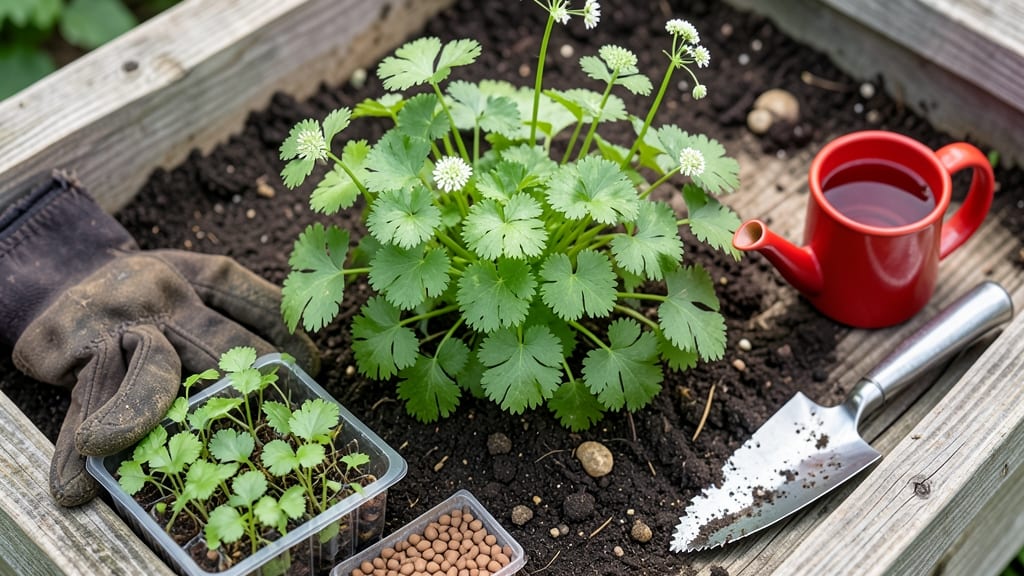
If you’ve ever planted cilantro in Oregon only to watch it bolt into flowers by summer, you’re not alone. The key to success lies in timing—because Oregon’s 7b-9a climate throws curveballs with its mild coastal breezes and scorching inland heat.
Plant too early, and you’ll lose your harvest to frost; too late, and the heat will turn your 🌿 cilantro into a bitter, flowering mess.
But here’s the good news: with the right schedule, you can enjoy fresh cilantro from May through October—no bolting required. The secret? Two perfect planting windows: spring (March–April) and fall (August–September).
These slots align with Oregon’s frost dates and temperature shifts, giving your cilantro the cool-weather growing conditions it craves.
I’ll break down exactly when to plant in your specific Oregon zone, whether you’re in Portland’s coastal fog or the Willamette Valley’s sun-soaked patches. Plus, I’ll share pro tips to stretch your harvest—like shade tricks and companion plants—to keep your cilantro thriving even when summer heats up.
Ready to grow cilantro that actually stays leafy? Let’s dive into the timing and techniques that’ll make your garden the envy of the neighborhood.
Best planting windows for cilantro in Oregon (fall vs spring)
Oregon’s diverse climate—from the cool coastal fog to the hot inland valleys—means cilantro planting times vary wildly. In USDA zones 7b-9a, timing is everything to avoid bolting (when cilantro flowers prematurely).
The best windows are late winter to early spring and late summer to early fall, but your exact location in Oregon dictates the perfect schedule.
For coastal areas like Astoria or Cannon Beach, cilantro thrives year-round with minimal bolting risk. However, inland regions like Bend or Medford face extreme summer heat, forcing a tighter planting window. Even the Willamette Valley (Portland/Eugene) requires careful timing to avoid heat stress in June and July.
Here’s the golden rule: Plant cilantro when soil temperatures stay below 75°F (24°C). Above that, and your plants will bolt within weeks. Coastal Oregon stays cooler longer, while inland areas must act fast—March to April for spring and August to September for fall.
| Region | Spring Planting Window | Fall Planting Window | Key Risk |
|---|---|---|---|
| Coastal (Astoria, Newport) | February–April | September–October | Minimal bolting; frost risk in winter |
| Willamette Valley (Portland, Eugene) | March–April | August–September | Heat spikes in June–July |
| High Desert (Bend, Redmond) | April–May | July–August | Extreme summer heat (bolting guaranteed) |
| Southern Oregon (Medford, Ashland) | February–March | August–September | Early spring frost risk |
Let’s break down the exact planting dates for your region. If you’re in Portland or Salem, aim for March 15–April 15 in spring and August 15–September 15 in fall.
For coastal gardeners, you can stretch spring planting to late April without bolting risks, while inland gardeners should plant by mid-March to avoid summer heat.
Pro tip: Use a soil thermometer to confirm temperatures. Cilantro seeds need soil below 65°F (18°C) to germinate properly. If your soil is warmer, wait or use shade cloth to cool it down. I’ve seen cilantro bolt in Portland by June when planted too early—don’t let that happen to you!
For succession planting, sow new seeds every 2–3 weeks during your region’s ideal window. This ensures a continuous harvest without gaps.
For example, in the Willamette Valley, I plant cilantro on March 1, March 15, April 1, and April 15 to keep fresh leaves ready for spring soups and summer salads.
One common mistake? Assuming all of Oregon follows the same schedule. Southern Oregon’s (e.g., Medford) last frost is March 15, while Northern Oregon’s (e.g., Hood River) can wait until April 15.
Check your local frost dates and adjust accordingly. The Oregon State University Extension has great frost maps if you’re unsure.
Finally, don’t overlook microclimates. A south-facing garden in Eugene may bolt earlier than a north-facing spot in the same city. Observe your space for 2–3 years to pinpoint the perfect timing. With the right schedule, you’ll enjoy fresh cilantro for months—no bolting in sight!
Best planting windows for cilantro in Oregon (fall vs spring)
Oregon’s diverse microclimates mean your cilantro’s success depends on where you live. Coastal areas like Astoria (USDA Zone 8a) can plant earlier than Bend (Zone 6b), where late frosts linger.
For most of Oregon—especially the Willamette Valley and Portland metro—aim for two key windows: late March to early April (spring) and mid-August to early September (fall). These align with soil temperatures between 45°F and 75°F, cilantro’s sweet spot.
Why these months? Spring planting gives cilantro time to mature before summer heat triggers bolting, while fall sowings take advantage of cooling temperatures. In high-desert regions like La Grande, wait until April 15 for spring and September 1 for fall to avoid unexpected frosts.
Always check your local last frost date—Portland’s is around April 15, but Medford’s comes 2 weeks earlier.
🌱 Key Takeaway: Coastal Oregon can plant 2-3 weeks earlier than inland areas. Use these guidelines as a starting point, then adjust based on your yard’s microclimate.
| Region | Spring Planting | Fall Planting | Key Notes |
|---|---|---|---|
| Coastal (Astoria, Cannon Beach) | March 1 - March 15 | August 20 - September 5 | Cooler temps delay bolting |
| Willamette Valley (Portland, Salem) | March 15 - April 1 | August 10 - August 25 | Watch for heat spikes in June |
| High Desert (Bend, La Grande) | April 15 - April 30 | September 1 - September 15 | Soil warms faster; use shade cloth |
| Southern Oregon (Medford, Ashland) | March 1 - March 15 | August 5 - August 20 | Earlier frost risk in fall |
For container gardening, these windows work too—but monitor soil temperature with a thermometer. Cilantro roots prefer 55°F to 65°F soil. If your pots heat up faster (common in black containers), move them to dappled shade by midday. Pro tip: Use lightweight fabric pots to keep roots cooler.
What if you miss these windows? Don’t panic! You can still try succession planting in May or October, but expect faster bolting. Pair cilantro with slow-bolting varieties like ‘Calypso’ or ‘Santo’ for better heat tolerance.
These hold up slightly longer in 75°F+ temperatures, giving you a 2-3 week extension in your harvest window.
Remember: bolting isn’t just about heat—it’s also triggered by long daylight hours. In Oregon’s 15-hour summer days, cilantro senses it’s time to reproduce. That’s why fall plantings (shorter days) often succeed where spring ones fail.
Plan your harvest schedule accordingly: spring cilantro should be ready by late May, and fall cilantro by October.
Start with these region-specific windows, and your cilantro will thank you with bold, flavorful leaves instead of bitter stems. Next, we’ll cover how to stretch your harvest even further with shade tricks and companion plants—stay tuned!