
Plants
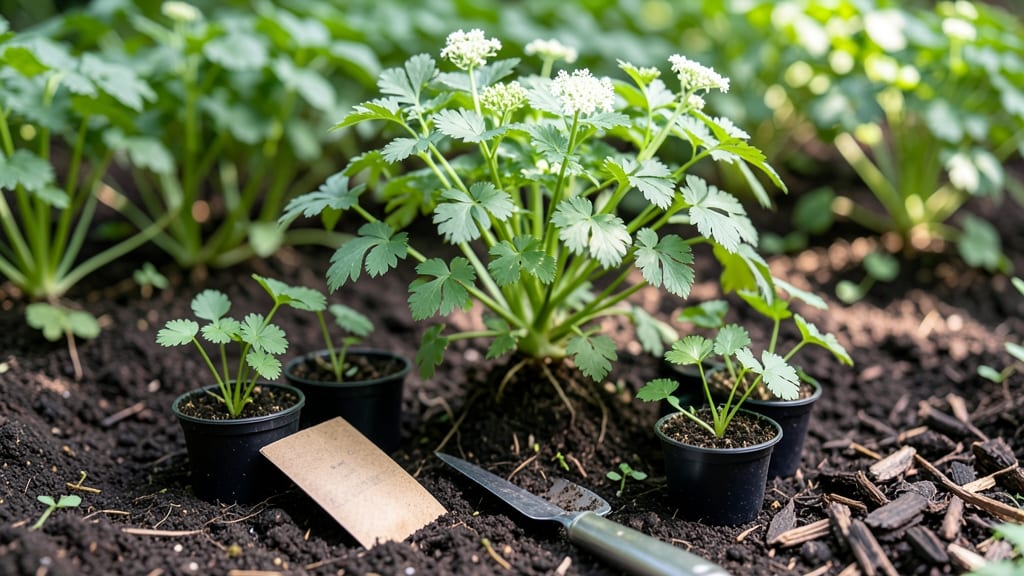
If you've ever planted cilantro in Florida only to watch it bolt into flower within weeks, you're not alone. The key to growing fresh, flavorful 🌿 cilantro year-round in Florida's heat lies in understanding the perfect planting windows—and avoiding the summer months entirely.
Florida's warm climate means cilantro thrives when temperatures stay between 60-75°F, making fall and winter the ideal seasons. Planting in September through November or again in March and April gives your cilantro the cool conditions it craves to grow slowly and stay leafy.
But here's the game-changer: with the right shade strategies and watering habits, you can actually grow cilantro in Florida's summer too. I'll show you how to extend your harvest beyond just the cooler months so you never run out of fresh cilantro for your favorite dishes.
Let's dive into the exact planting schedule, soil prep, and heat-beating techniques that'll keep your cilantro lush and ready to harvest for 30-60 days—no matter what Florida's summer throws at you.
Best planting windows for cilantro in Florida’s climate
Florida’s warm climate makes growing cilantro a challenge, but timing your plantings correctly can mean the difference between lush harvests and bitter disappointment. The key is planting when temperatures stay between 60°F and 75°F—cilantro bolts (goes to seed) when it gets too hot.
In Florida, this means focusing on fall and winter months when cooler weather prevails.
North Florida’s slightly cooler temperatures allow for a longer growing window, while South Florida’s intense heat demands extra shade and water. Even in ideal conditions, cilantro won’t tolerate prolonged exposure to temperatures above 80°F, so summer planting requires special care or shade cloth.
To maximize your harvest, aim to plant cilantro in Florida during these optimal windows:
| Season | Planting Months | Temperature Range (°F) | Notes for Florida |
|---|---|---|---|
| Fall | September - November | 60-75°F | Best window for North Florida; South Florida may need shade cloth in late fall. |
| Winter | January - February | 55-70°F | Cooler months work well statewide; protect from rare frosts in North Florida. |
| Spring | March - May | 65-80°F | Early spring is ideal; avoid planting after April in South Florida without shade. |
| Summer | June - August | 80-95°F | Only attempt with 30-50% shade cloth; requires daily watering. |
For North Florida gardeners, you can even squeeze in a late summer planting in August if you provide afternoon shade and keep soil moist. The key is to start seeds indoors 4-6 weeks before your target outdoor planting date to give seedlings a head start on the heat.
In South Florida, where summer temperatures routinely exceed 90°F, cilantro is best grown as a winter crop. Plant in October or November and harvest before temperatures rise in April. Even then, use shade cloth to protect your plants from the intense afternoon sun.
Pro tip: Use a soil thermometer to monitor ground temperatures—cilantro performs best when soil stays between 65°F and 70°F. If your soil heats up beyond this, your cilantro will bolt within weeks.
To extend your growing season, try succession planting every 2-3 weeks during fall and winter. This ensures a steady supply of fresh cilantro without overwhelming your garden at once. Just be sure to space plants 6-12 inches apart to allow airflow and reduce disease risk.
Finally, don’t forget that Florida’s microclimates can vary dramatically. Coastal areas stay warmer longer, while inland regions may experience cooler nights. Pay attention to your local weather patterns and adjust your planting schedule accordingly.
With the right timing and a little extra care, you can enjoy fresh cilantro straight from your Florida garden for most of the year—without the frustration of bolting. 🌿
Best planting windows for cilantro in Florida’s climate
Florida’s warm climate makes growing cilantro tricky—it thrives in cool temperatures (60-75°F), but summer heat sends it bolting faster than you can say "pesto." The key is planting during fall and winter months when temperatures drop slightly.
North Florida (like Jacksonville) has slightly cooler winters, while South Florida (Miami) stays warmer year-round, requiring extra shade and water.
For peak cilantro success, aim for these Florida-friendly windows: September through November and March through May. These months offer the perfect balance of warmth and cooler evenings, preventing premature bolting. Even in these ideal windows, cilantro grows best with partial shade—especially in Central and South Florida.
Here’s how Florida’s microclimates affect your planting schedule:
| Region | Best Planting Months | Temperature Range (°F) | Shade Needs |
|---|---|---|---|
| North Florida (USDA 8a-9a) | September–November, March–May | 60–75°F (day), 50–65°F (night) | Partial shade (3–4 hours sun) |
| Central Florida (USDA 9b-10a) | September–December, February–April | 65–78°F (day), 55–70°F (night) | 30–50% shade cloth (summer) |
| South Florida (USDA 10b-11) | August–November, January–March | 70–85°F (day), 60–75°F (night) | 50–70% shade cloth (year-round) |
If you’re eager for fresh cilantro in summer months, don’t give up! Plant in deep containers with shade cloth (30–50%) and water daily. Just be prepared for a shorter harvest window—summer cilantro bolts quickly but can still produce 3–4 weeks of leaves if cared for properly.
Pro tip: Start seeds indoors or in a cool greenhouse 4–6 weeks before your target outdoor planting date. Florida’s heat zaps germination rates, so giving seeds a head start boosts success. Use seed-starting trays with a heat mat if sowing in late summer for fall harvests.
For continuous harvests, plan succession plantings every 2–3 weeks during fall and spring. This ensures you always have fresh cilantro while older plants bolt. Pair cilantro with basil or lettuce—these companions thrive in similar conditions and help regulate soil moisture.
Remember: Cilantro’s ideal growing window is short in Florida, but with the right timing and care, you can enjoy homegrown cilantro year-round. The secret? Cool nights, partial shade, and consistent moisture—Florida’s version of cilantro perfection. 🌿