
Plants
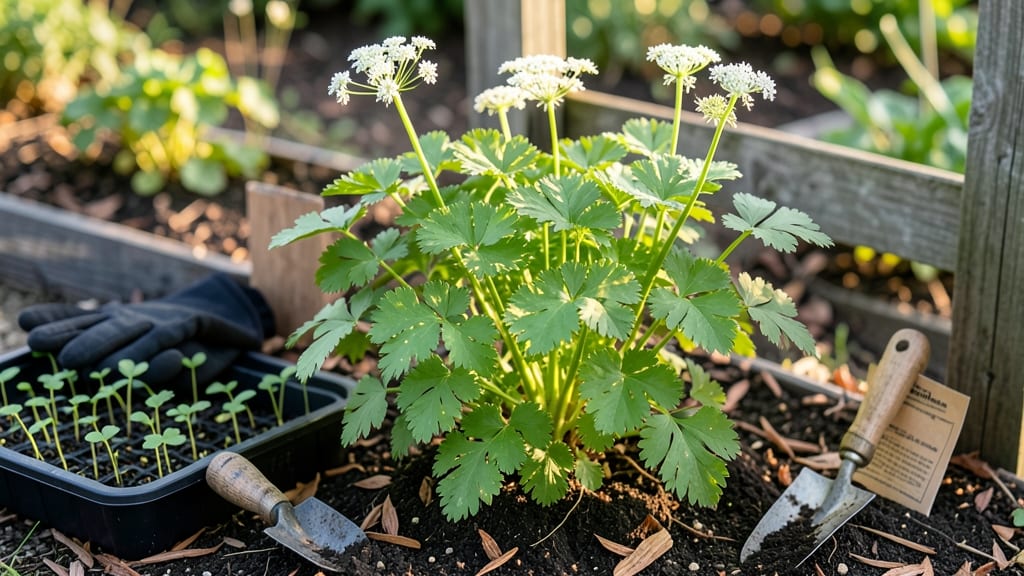
Timing your cilantro planting in Oklahoma is the difference between a thriving 🌿 herb garden and a bitter, bolted disappointment. The key to growing cilantro successfully in zones 6a-8a lies in planting it during two narrow windows: early spring and fall, when temperatures stay mild enough to prevent bolting.
If you plant cilantro in Oklahoma outside these ideal periods, you'll likely end up with a plant that shoots up flower stalks faster than you can harvest the leaves.
The perfect planting window starts in early March and again in late August, aligning with the state's last and first frost dates to maximize growth before the heat sets in.
I've learned from years of gardening in Oklahoma that cilantro thrives when planted 4-6 weeks before the last frost or after the first frost in fall. This timing ensures you get leafy, flavorful harvests in May-June and again in October-November, just before winter sets in.
Whether you're a seasoned gardener or just starting out, understanding these seasonal cues will help you avoid common mistakes and enjoy fresh cilantro all growing season long. Let's dive into the best strategies for planting cilantro in Oklahoma's unique climate.
Best planting windows for cilantro in Oklahoma (spring & fall)
Cilantro thrives in Oklahoma’s cooler seasons, but timing is everything to avoid the dreaded bolting that turns your herb into a bitter, flowering mess. The perfect windows are early spring (March-April) and late summer/fall (August-September), when temperatures stay below 75°F during the day.
Oklahoma’s USDA Zones 6a-8a create microclimates—northern areas like Oklahoma City can handle slightly earlier spring plantings, while southern regions like Tulsa may need to wait until late April to avoid heat stress.
Always check your last frost date (typically mid-March in Zone 8a to late March in Zone 6a) and plant 4-6 weeks before.
For spring plantings, aim for February-March in containers or March-April directly in the ground. This gives cilantro time to mature before Oklahoma’s summer heat peaks in June.
In fall, sow seeds August-September for harvests before the first frost (mid-November in Zone 6a to late October in Zone 8a).
Here’s the golden rule: Never plant cilantro when daytime temps exceed 75°F. Heat triggers bolting within 2-3 weeks, turning your fresh herb into a tall, bitter stalk with tiny seeds. Even partial shade won’t save it—timing is non-negotiable.
Pro Tip: Use a seed starting kit indoors in January-February for an earlier spring harvest. Transplant seedlings outdoors 2-3 weeks before your last frost date to give them a head start.
| Season | Planting Window | Temperature Threshold | Action | Regional Adjustment |
|---|---|---|---|---|
| Spring | February-March (containers) March-April (ground) |
Daytime below 75°F | Direct sow or transplant seedlings | Zone 8a: Start 2 weeks earlier |
| Fall | August-September | Nighttime above 50°F | Direct sow after first frost risk passes | Zone 6a: Plant late August |
| Avoid | May-October | Daytime above 80°F | Bolting guaranteed within 2 weeks | All zones |
If you’re in Zone 7a or warmer, consider succession planting every 2 weeks in spring and fall to extend your harvest. For example, sow a second batch in mid-April for a June harvest before the heat sets in.
In containers, you can even try late summer plantings (early August) with 50% shade cloth to delay bolting.
Soil prep is just as critical as timing. Cilantro prefers well-draining, slightly acidic soil (pH 6.0-7.0). Amend your garden beds with compost or aged manure before planting to ensure nutrients are available. A light mulch (like straw) helps retain moisture and keep roots cool—both key to preventing bolting.
For container growing, use 5-inch pots with potting mix blended with perlite. Place containers in partial shade during Oklahoma’s hottest afternoons (1-4 PM) to buy extra time before bolting. Water consistently—cilantro hates drying out, which stresses plants and speeds up bolting.
Remember: Oklahoma’s erratic weather means flexibility is key. Monitor your plants daily in May and September, when temperatures fluctuate wildly. If leaves start yellowing or stems elongate, it’s time to harvest aggressively or pull the plant before it bolts completely.
Best planting windows for cilantro in Oklahoma (spring & fall)
Oklahoma’s USDA Zones 6a-8a create two ideal windows for growing cilantro—spring and fall—when temperatures stay mild enough to prevent bolting.
The key is planting 4-6 weeks before the last frost (typically mid-March in Zone 8a to late March in Zone 6a) or after the first frost in fall (usually mid-October). These timings align cilantro’s growth with cooler weather, ensuring leafy harvests before Oklahoma’s 90°F+ summers trigger bolting.
Northern Oklahoma (Zones 6a-7a) has a shorter growing season (180-200 frost-free days), so focus on early spring (March) and late summer (August) plantings. Southern Oklahoma (Zones 7b-8a) enjoys 220+ frost-free days, allowing a second fall planting in September for a late harvest.
Always check your local frost dates—Oklahoma State University’s Mesonet tool is a great resource.
| Season | Planting Window | Temperature Range | Harvest Window | Bolting Risk |
|---|---|---|---|---|
| Spring | March–April (4–6 weeks before last frost) | 45–75°F | May–June | Low (if planted early) |
| Fall | August–September (after summer heat) | 50–70°F | October–November | Moderate (if planted too late) |
| Summer | June–July | Above 80°F | N/A (bolts immediately) | High (avoid entirely) |
For direct sowing, scatter seeds ¼-inch deep in well-draining soil with partial shade (use row covers or shade cloth if planting in late spring). Transplants can go in 2-3 weeks after sowing, but they’re less resilient to Oklahoma’s heat.
Pro tip: Succession plant every 2 weeks in spring/fall to ensure a continuous harvest before bolting sets in.
Soil prep is critical—cilantro thrives in loamy, slightly acidic soil (pH 6.0–7.0). Amend Oklahoma’s clay-heavy soils with compost or aged manure before planting. A mulch layer (straw or shredded leaves) keeps roots cool and retains moisture, which is especially helpful in Oklahoma’s dry springs and falls.
Test your soil’s nitrogen levels—cilantro is a heavy feeder, and a balanced 5-10-10 fertilizer applied at planting will give it a head start.
If you’re in southern Oklahoma (Zones 7b-8a), don’t miss the September planting window—this lets you harvest cilantro through November’s first frost. Pair it with companion plants like bush beans or lettuce to maximize space and deter pests.
In northern Oklahoma, prioritize the March–April window and accept that fall harvests may be limited to early October before temperatures drop.
Remember: Heat is cilantro’s enemy. Even a single day above 85°F can trigger bolting. By planting in these cooler windows and using shade cloth, you’ll enjoy flavorful, leafy cilantro instead of bitter stems.
Start your seeds indoors 4-6 weeks before the last frost if you’re impatient—just be ready to harden them off before transplanting!