
Plants
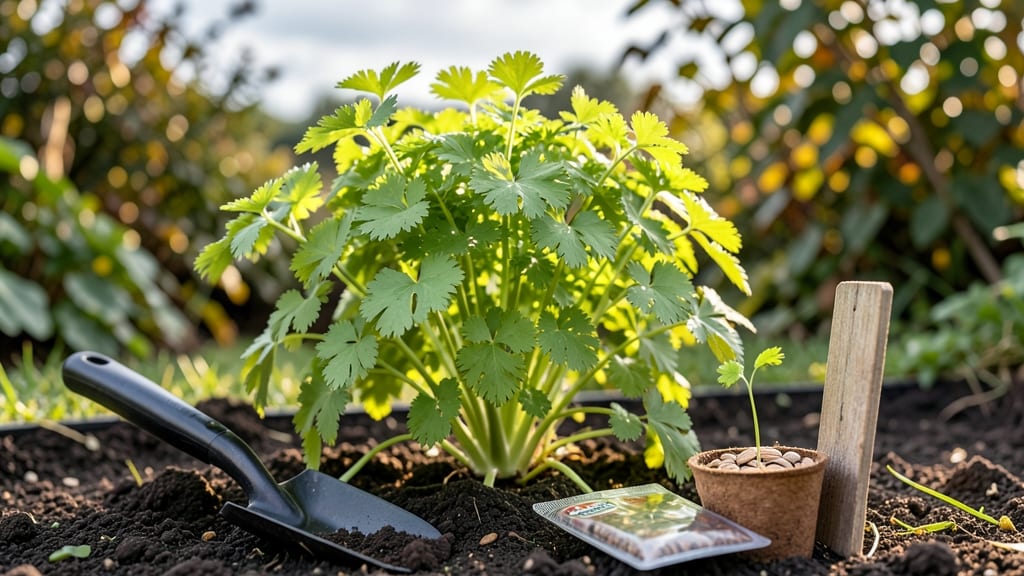
If you’ve ever planted cilantro in Southern California only to watch it bolt into bitter stems within weeks, you’re not alone. The right timing is everything—especially in our 9b-11 climate where heat and drought can turn your fresh 🌿 cilantro into a seed pod disaster.
Here’s the secret: Fall and spring are your best bets, but not all months work equally. Coastal areas like San Diego can handle cilantro year-round, while inland deserts need cooler windows to avoid bolting. I’ll show you exactly when to plant for leafy, flavorful cilantro that lasts.
Why does this matter? Because bolting isn’t just annoying—it ruins your harvest. With the right schedule, you can enjoy fresh cilantro from October to May without the stress. Let’s dive into the perfect planting windows and tricks to keep your cilantro thriving.
Ready to grow cilantro that stays fresh and flavorful? I’ll walk you through the best months, shade strategies, and companion plants to make your garden (or balcony) a cilantro paradise. No more wasted seeds—just lush, ready-to-harvest greens.
Optimal Southern California cilantro planting windows: fall vs. spring timing
Southern California’s Mediterranean climate creates perfect conditions for cilantro during two distinct windows: fall and spring. These seasons align with the 60-70°F temperature sweet spot that cilantro craves to thrive without bolting prematurely.
Outside these windows, your cilantro will likely race to seed before you can harvest those prized leaves.
Fall planting is my top recommendation because cooler temperatures and longer daylight hours create ideal conditions. Aim to sow seeds between mid-September and late October for a harvest before winter rains arrive. This timing lets cilantro establish roots while avoiding the summer heat that triggers bolting.
Spring planting works too, but requires careful timing to avoid early heat waves. Start seeds between mid-February and early March in coastal areas, pushing slightly earlier (late January) for inland valleys.
The key is to get seeds in the ground 6-8 weeks before last frost—though frost is rare in most of SoCal.
Here’s how regional microclimates affect timing: coastal areas like Malibu or San Diego can plant slightly later due to cooler ocean breezes, while inland deserts like Palm Springs or Riverside need earlier starts to escape summer heat.
Even within LA County, Santa Monica’s coastal zone has a 2-3 week advantage over Pasadena’s inland heat.
Let’s break down the optimal planting windows with temperature thresholds that actually work in Southern California’s diverse regions:
The 60-70°F day/night temperature range is cilantro’s comfort zone. When nights dip below 50°F, growth slows dramatically, while days above 75°F trigger bolting within days.
That’s why spring planting requires such precise timing—you want seeds to germinate when soil temps are 60°F or warmer but air temps stay below 70°F.
For LA County, aim for September 15-October 15 in fall and February 15-March 15 in spring.
In San Diego County, you can push fall planting to October 30 due to cooler coastal air, while Riverside County gardeners should start fall seeds by September 1 to avoid early heat spikes.
Pro tip: Use a soil thermometer to verify temps—cilantro seeds need 60°F+ soil to germinate reliably. If your soil runs cooler than that in spring, consider using black plastic mulch to warm the soil by 5-10°F and speed up germination.
Remember that cilantro is a cool-season annual that bolts when days get long. In Southern California, day length becomes problematic after March 20—that’s why spring planting must happen before then. For continuous harvests, I recommend staggered plantings every 2-3 weeks during both fall and spring windows.
If you live in a desert microclimate like Palm Springs or Joshua Tree, treat cilantro like a winter crop. Plant in November-December for a harvest before summer heat arrives, or try shade cloth to protect plants during spring’s rapid warming.
Optimal Southern California cilantro planting windows: fall vs. spring timing
Southern California’s Mediterranean climate means cilantro thrives in cool, moist conditions, but timing is everything. Plant too early or late, and your cilantro will bolt—turning those tender leaves into bitter stems.
The ideal temperature range for cilantro is 60-70°F, which we get twice a year: fall and spring.
Fall planting is your golden window because cooler nights and longer daylight hours create perfect conditions. Start seeds or transplants in late August to early October, with September being the sweet spot.
Coastal areas like San Diego can push this slightly later, while inland deserts (like Palm Springs) should plant by mid-September to avoid early heat spikes.
| Season | Best Planting Months | Temperature Range | Coastal Adjustments | Inland Adjustments |
|---|---|---|---|---|
| Fall | Late August - Early October | 60-70°F | Extend to October | Plant by mid-September |
| Spring | February - Early March | 55-65°F | March-April for coastal | Avoid April heat |
Spring planting is trickier because heat arrives fast. Aim for February to early March, with coastal areas like Los Angeles sometimes getting away with April plantings.
Inland areas (like Riverside) should avoid planting after mid-March—the heat will cause bolting within weeks. For a second spring crop, try shade cloth to buy extra time.
Microclimates matter! Coastal areas (e.g., Santa Barbara, San Diego) have milder winters and can grow cilantro year-round with shade. Inland deserts (e.g., Joshua Tree, Coachella Valley) need to plant earlier and use drip irrigation to keep roots cool.
Even a 5°F difference can mean the difference between lush cilantro and a bitter harvest.
Pro tip: Use a soil thermometer to monitor temperatures. Cilantro bolts when soil temps hit 80°F, so avoid planting when daytime highs exceed 75°F. In September, morning temps might be perfect, but afternoon heat can still stress your plants—water deeply to offset this.
Ready to plant? Start with direct sowing in well-draining soil, and keep seedlings consistently moist until established. The right timing isn’t just about months—it’s about microclimates, shade, and soil temps. Master these, and you’ll enjoy fresh cilantro for months. 🌱