
Plants
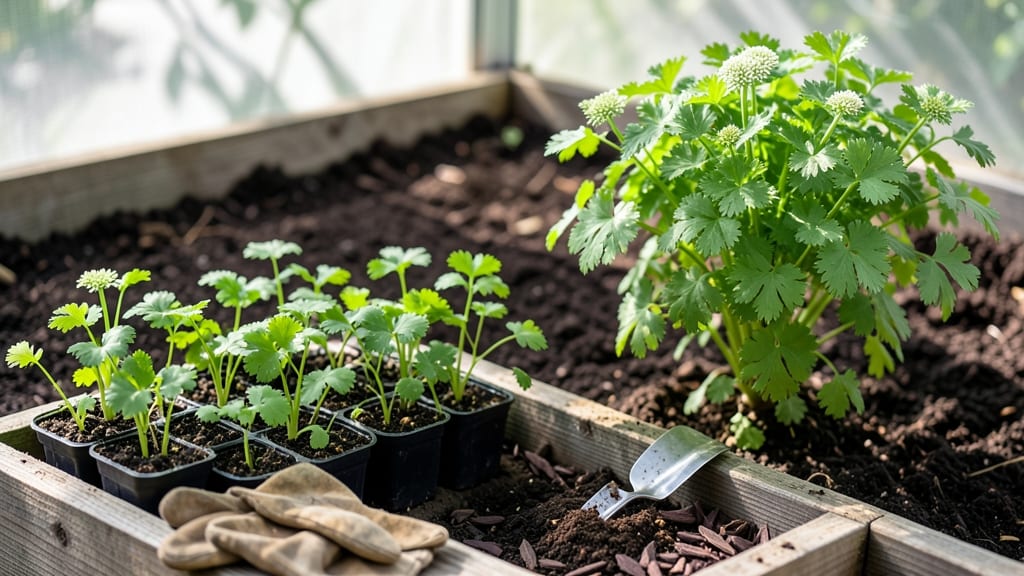
Planting cilantro in Missouri isn’t just about timing—it’s about outsmarting the state’s unpredictable swings from scorching summers to early frosts. If you’ve ever watched your cilantro 🌿 bolt into flower before you could even snip a sprig, you know the frustration.
The key to lush, flavorful harvests lies in two narrow windows: early spring and late summer.
Missouri’s 5b-6b climate demands precision. Plant too early, and a late frost zaps your seedlings. Wait too long, and the heat sends your cilantro racing toward seed before you’ve enjoyed a single leaf.
But here’s the good news: with the right strategy, you can enjoy fresh cilantro from May through November—no guesswork required.
I’ll break down exactly when to start seeds indoors or direct-sow outdoors, how to protect your plants from Missouri’s summer heat waves, and which companion plants keep pests at bay. Whether you’re a backyard gardener or a balcony grower, these tips will turn your cilantro from finicky to foolproof.
Ready to grow cilantro that actually stays green and tasty? Let’s dive into the best planting calendar for Missouri’s unique growing conditions—and say goodbye to wasted effort.
Missouri’s best planting windows for cilantro: spring vs. fall timing explained
Missouri gardeners know that cilantro is a temperamental herb—it bolts faster than a rabbit in a garden sale. The key to success? Planting it during the coolest months when temperatures stay below 75°F.
In Missouri’s USDA zones 5b-6b, this means two prime windows: early spring and late summer/fall. Let’s break down the exact timing and why it matters.
For spring planting, aim for mid-March to early April, about 4-6 weeks before your last frost date (typically April 15). This gives cilantro time to establish roots before summer heat arrives.
In fall, plant mid-August to early September, allowing a 60-75-day harvest window before the first frost hits around October 15. These windows are your best shot at avoiding the dreaded bolting triggered by Missouri’s summer heatwaves.
Here’s the critical detail: Cilantro hates heat. When temperatures creep above 80°F, it throws a tantrum by bolting—flowering and going bitter. Missouri’s humid summers make this even worse, so timing is everything.
Plant too late in spring, and you’ll watch your cilantro self-destruct in July. Plant too early in fall, and frost will nip it before it matures.
Missouri’s microclimates add another layer of complexity. Urban areas like St. Louis (zone 6a) can experience heat islands, pushing temperatures 5-10°F higher than rural zones like Columbia (zone 6b). Adjust your planting dates 1-2 weeks later in cities to account for this.
Rural gardeners might even squeeze in a late-May planting with shade cloth, but I’ll cover that in the next section.
Don’t overlook soil temperature—cilantro seeds need soil to be at least 50°F to germinate. In Missouri, this usually aligns with mid-April for spring and early September for fall.
Test your soil with a soil thermometer if you’re unsure. Cold soil = slow or no germination, and you’ll be left staring at bare dirt while your neighbors harvest.
Pro tip: Start seeds indoors 3-4 weeks before your target outdoor date. Missouri’s unpredictable spring can bring late frosts, and seedlings are more resilient than direct-sown seeds. Use biodegradable pots to avoid transplant shock when moving them outdoors.
Missouri’s clay-heavy soils can also throw a wrench into your cilantro plans. Amend your beds with compost or aged manure to improve drainage and fertility. Cilantro thrives in well-draining, slightly acidic soil (pH 6.0-7.0).
If your soil is compacted, consider raised beds—they warm up faster in spring and drain better in heavy Missouri rains.
One final trick: Use shade cloth for late-spring plantings. A 30-50% shade cloth can lower soil temperatures by 10-15°F, buying you extra time before bolting. Stake it 2 feet above your plants to allow airflow and prevent fungal issues.
I’ve had success with this in St. Louis gardens where summer heat arrives early.
Timing your cilantro right in Missouri isn’t just about dates—it’s about reading your microclimate and preparing your soil. Master these windows, and you’ll enjoy fresh, pungent cilantro from spring to fall without the bitter bolting disappointment.
Next, we’ll dive into succession planting to keep your harvest going all season long. 🌱
How to extend cilantro’s harvest in Missouri: succession planting and cool-season hacks
Missouri’s hot summers can turn cilantro into a bolt-happy nightmare, but with the right strategies, you can enjoy fresh leaves from spring through fall. The secret? Succession planting and cool-season hacks that keep your cilantro thriving when temperatures rise.
Start by planting cilantro in early spring (March-April) and again in late summer (August-September). This two-phase approach ensures you have fresh leaves when the weather cooperates.
For extended harvests, try planting every 2-3 weeks in spring and fall—this keeps a steady supply of young, tender leaves ready to pick.
Here’s how to maximize your yield with Missouri-specific tips:
If you’re growing cilantro in containers, choose pots that are at least 6 inches deep and place them in a spot that gets morning sun and afternoon shade. This mimics the cool, moist conditions cilantro loves and helps it avoid the heat stress that triggers bolting.
For urban gardeners, consider growing cilantro on a balcony or patio with a drip irrigation system. This setup keeps the soil consistently moist and protects the plants from sudden temperature swings that can occur in Missouri’s microclimates. Just
With these cool-season hacks, you’ll enjoy a longer harvest window and avoid the frustration of cilantro bolting too soon. Happy gardening! 🌿