
Plants
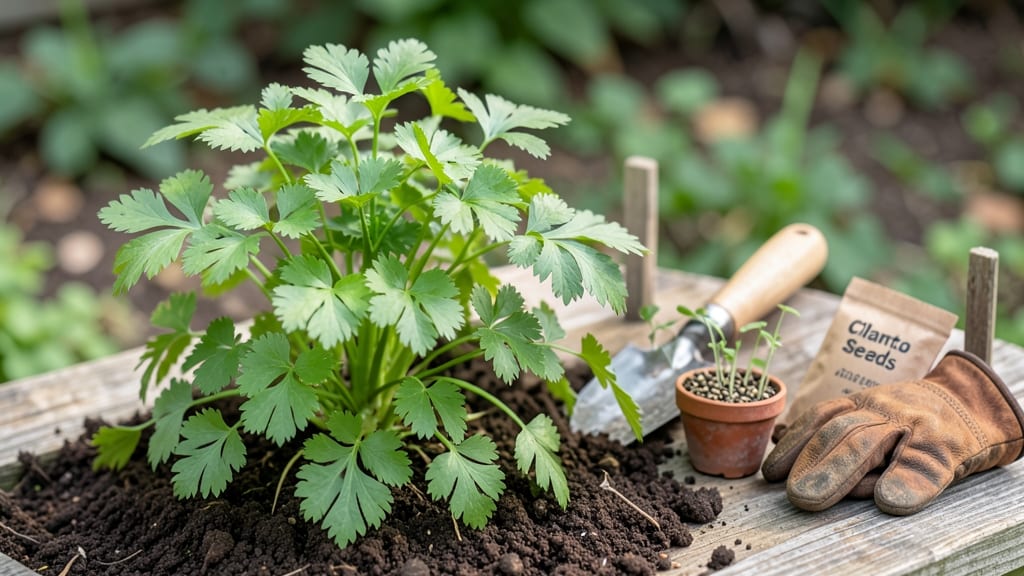
Georgia’s ideal cilantro planting calendar: fall timing for maximum growth
Cilantro thrives in Georgia’s fall season when temperatures drop below 85°F, preventing the dreaded bolting that ruins harvests. The best window spans from late August through early October, aligning with USDA Zones 7b-8b and Georgia’s coastal to Piedmont microclimates.
This timing ensures cool soil temperatures (60-75°F)—critical for germination and growth.
For coastal Georgia (warmer microclimates), aim for early September plantings to capitalize on 60-70°F soil temps. Inland areas like Athens or Atlanta can start as early as mid-August, but monitor heatwaves—cilantro bolts when soil temps exceed 80°F for more than 3 days.
Soil prep is non-negotiable: cilantro demands well-draining, slightly acidic soil (pH 6.0-7.0). Amend heavy clay with compost or sand to prevent waterlogging, which causes root rot. A thin layer of mulch (straw or shredded leaves) retains moisture while keeping roots cool.
🌱 Georgia Cilantro Planting & Harvest Timeline
| Stage | Action | Notes |
|---|---|---|
| Late August | Sow seeds ¼" deep | Soil temp: 65-75°F |
| September | Thin seedlings to 6" apart | Use scissors to avoid disturbing roots |
| October | Harvest outer leaves | Encourages bushier growth |
| November | Protect from light frost | Use row covers if temps drop below 30°F |
✅ Pro Tip: Plant ‘Calypso’ or ‘Santo’ varieties—they bolt 30% slower than standard types.
Northern Georgia gardeners (e.g., Blue Ridge Mountains) should delay planting until early September to avoid late-summer heat spikes. Test soil temps with a thermometer—ideal germination occurs at 60-75°F. If temps hover near 85°F, use shade cloth (30-50%) during peak afternoon sun.
For extended harvests, stagger plantings every 2-3 weeks from August through September. This succession method ensures a continuous supply of fresh cilantro until first frost (late November). In coastal areas, you may even squeeze in a winter crop under row covers.
Watch for bolting signs: elongated stems or yellow flowers mean it’s too late to save that batch. Preventative care—like consistent watering and partial shade—keeps cilantro leafy and flavorful for months. Harvest regularly to encourage regrowth.
Cilantro’s ideal harvest window in Georgia’s fall is October through November, when temps drop to 60-70°F. At this stage, leaves are vibrant green and packed with flavor. Never let it flower—that’s when it tastes soapy and loses its charm.
If you’re in Zone 8b (e.g., Savannah), push the envelope with a winter crop by planting in early October. Use black plastic mulch to warm soil and row covers for frost protection. Just be ready to harvest aggressively before January’s chill sets in.
Remember: Georgia’s climate is unpredictable. Always have a backup plan—whether it’s a greenhouse, shade cloth, or a second planting. With the right timing, you’ll enjoy fresh cilantro from fall through winter, beating the bolt every time. 🌿
Georgia’s ideal cilantro planting calendar: fall timing for maximum growth
Fall is cilantro’s golden window in Georgia, where cooler temperatures prevent the dreaded bolting that turns your herb into a bitter seed stalk before harvest. The key? Planting between mid-August and early October, when soil temps drop below 80°F but before first frost (late November).
This timing aligns with Georgia’s USDA Zones 7b-8b, where heat stress triggers bolting.
For coastal regions (like Savannah), aim for August 15–September 15—warmer microclimates extend the heat window. In the Piedmont (Athens, Macon), shift to September 1–October 1 to avoid early frosts. Always check your last frost date (usually mid-March) to plan backward.
🌿 Georgia Cilantro Planting Timeline
| Month | Planting Window | Soil Temp (°F) | Key Notes |
|---|---|---|---|
| August | 15–31 | 70–80°F | Coastal areas only; risk of bolting if too hot. |
| September | 1–30 | 65–75°F | Ideal for Piedmont; lower heat = slower bolting. |
| October | 1–15 | 60–70°F | Last chance; protect with row covers if frost threatens. |
Start seeds indoors 4–6 weeks before your target outdoor date to give seedlings a head start. Use biodegradable pots to avoid root disturbance when transplanting. Harden off seedlings for 7–10 days by gradually exposing them to outdoor conditions—this toughens them up for Georgia’s humid heat.
For succession planting, sow new seeds every 2–3 weeks in September to stagger harvests. This ensures a continuous supply of fresh cilantro until first frost. Pair with shade cloth (30–50%) if temperatures spike above 85°F during late August/early September.
Test soil pH (6.0–7.0) before planting—cilantro thrives in neutral to slightly acidic soil. Amend with compost or aged manure if your soil is sandy (common in Georgia’s Piedmont). Mulch with straw or shredded leaves to retain moisture and regulate soil temperature.
Pro tip: Use heat-tolerant varieties like ‘Santo’ or ‘Calypso’ for a 10–14 day extension of your fall window. These hold up better to 90°F+ spells than standard types. Harvest leaves when they’re 4–6 inches tall to encourage bushier regrowth.