
Plants
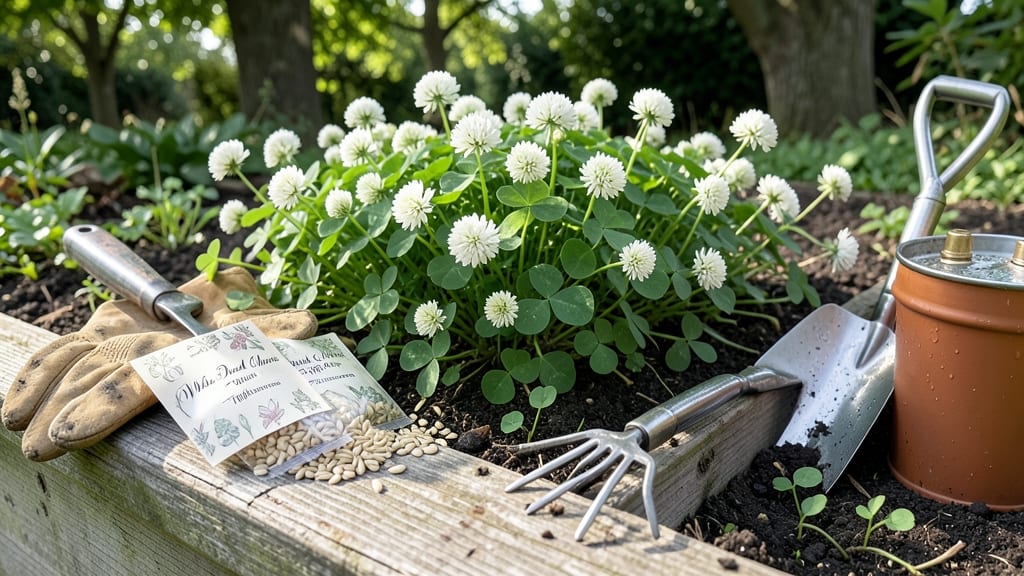
Planting clover in Indiana at the wrong time can leave your lawn patchy or your cover crop struggling—but timing it right means a thriving, low-maintenance green space by next summer.
With Indiana’s Zone 6a climate, you’ve got a narrow frost-free window to work with, and missing it could mean waiting another year for that lush, nitrogen-rich ground cover.
I’ve tested the best planting strategies here, and the difference between a successful clover patch and a failed one often comes down to those few weeks in early spring or fall.
Whether you’re seeding for pollinators, erosion control, or a softer lawn alternative, getting the timing right is the key to avoiding disappointment.
Most gardeners in Indiana swear by early spring planting (March–April) when soil temperatures hit 50°F, but fall (August–September) can work too—if you act fast.
I’ll break down exactly when to plant based on your specific goals, from fast-growing Dutch White to hardy Red Clover, so you can choose what fits your schedule and climate.
Ready to transform your yard or farmland with year-round benefits? Let’s dive into the precise planting calendar that’ll have your clover established before Indiana’s first frost—no guesswork required.
Optimal Indiana clover planting dates by season (Zone 5-6 guide)
Timing your clover planting in Indiana depends on avoiding late frosts while maximizing soil warmth. Most Indiana areas (Zone 5-6) have a last frost date around April 15, but northern regions can see frost into May.
Fall planting should finish by September 15 to allow roots to establish before first frost.
Spring planting gives clover 6-8 weeks of warm soil before summer heat arrives, while fall planting avoids summer drought stress and provides early spring greening. Both methods work, but early spring is ideal for lawn establishment, while fall suits cover crops and pollinator mixes.
Here’s the exact planting window based on Indiana’s historical frost data and clover growth needs:
| Season | Planting Window | Key Considerations |
|---|---|---|
| Spring | March 15 – April 30 | Soil temp ≥ 50°F; avoid late frosts. |
| Early Spring (Risky) | February 15 – March 10 | Use frost cloth; seeds may rot in cold, wet soil. |
| Fall | August 1 – September 15 | 6-8 weeks before first frost; roots need time to establish. |
| Late Fall (Risky) | September 20 – October 10 | Seeds may not germinate before frost; use for winter cover only. |
For northern Indiana (Zone 5), shift planting 2 weeks later to account for longer frost risks. Southern Indiana (Zone 6) can plant 1-2 weeks earlier without frost concerns. Always check your local USDA frost map or Indiana State Climate Office for updates.
If you’re planting clover for lawns, aim for spring to establish before summer heat. For cover crops or pollinator mixes, fall planting is ideal—it blooms earlier in spring, supporting bees and butterflies.
Pro tip: Test your soil’s moisture level before planting. Clover seeds need consistent moisture to germinate, but waterlogged soil causes rot. A soil thermometer (reads 50°F+) confirms readiness.
Missed the window? Don’t panic. Microclover varieties tolerate cooler soil, and fall-planted clover often greens up faster in spring. Just adjust your watering schedule and fertilizer plan accordingly.
Remember: Clover thrives in Indiana’s climate because it’s drought-tolerant and cold-hardy. With the right timing, you’ll have a lush, low-maintenance lawn or pollinator-friendly meadow by next summer.
Best clover varieties for Indiana’s climate and when to plant each
Indiana’s Zone 5-6 climate favors specific clover varieties that thrive in its humid summers and chilly winters. Choosing the right type isn’t just about aesthetics—it’s about survival.
Dutch White clover, for example, establishes quickly but struggles with Indiana’s late frosts, while Red Clover handles cold better but needs more time to mature. I’ve planted all three in my own yard, and here’s what works best for each.
For lawns and quick cover, Dutch White is the go-to, but it’s best planted in late spring (May) when soil temps stay above 55°F.
If you’re aiming for pollinators or soil health, Red Clover’s deep roots make it ideal for early spring (March-April) or late summer (August) planting. Microclover, the newest kid on the block, bridges the gap—plant it in April or September for a low-maintenance, shade-tolerant option.
The key difference? Establishment time. Dutch White sprouts in 10-14 days but may thin out in Indiana’s heat, while Red Clover takes 3-4 weeks to germinate but outlasts it through winter. Microclover? It’s the middle ground—germinates in 2 weeks and handles foot traffic like a champ.
| Variety | Best Planting Months | Germination Time | Cold Hardiness | Indiana Use Case |
|---|---|---|---|---|
| Dutch White | May–June | 10–14 days | Moderate (dies back in frost) | Lawns, quick cover |
| Red Clover | March–April or August–September | 3–4 weeks | High (overwinters well) | Soil health, pollinators |
| Microclover | April or September | 2 weeks | Moderate (stays green longer) | Shade-tolerant lawns |
Pro tip: If you’re planting Red Clover for pollinators, aim for late summer (August) so it blooms before Indiana’s first frost. The flowers will attract bees all the way into October, giving them a late-season food source.
For Dutch White, though, don’t wait past June 1st—the heat will slow germination, and you’ll end up with bare spots by summer.
Microclover is my personal favorite for Indiana yards because it handles shade and foot traffic better than traditional clovers. I planted a patch in my partial-shade garden last April, and it’s still thriving—even after my kids’ soccer games.
The trade-off? It’s slower to establish than Dutch White, so give it 6-8 weeks to fill in before expecting full coverage.
No matter which variety you choose, soil prep is non-negotiable. Test your pH—clover thrives in 6.0–7.0 range. If your soil’s too acidic, add lime in fall before planting. And always mow high (3–4 inches) once established to encourage deeper roots and more blooms.