
Plants
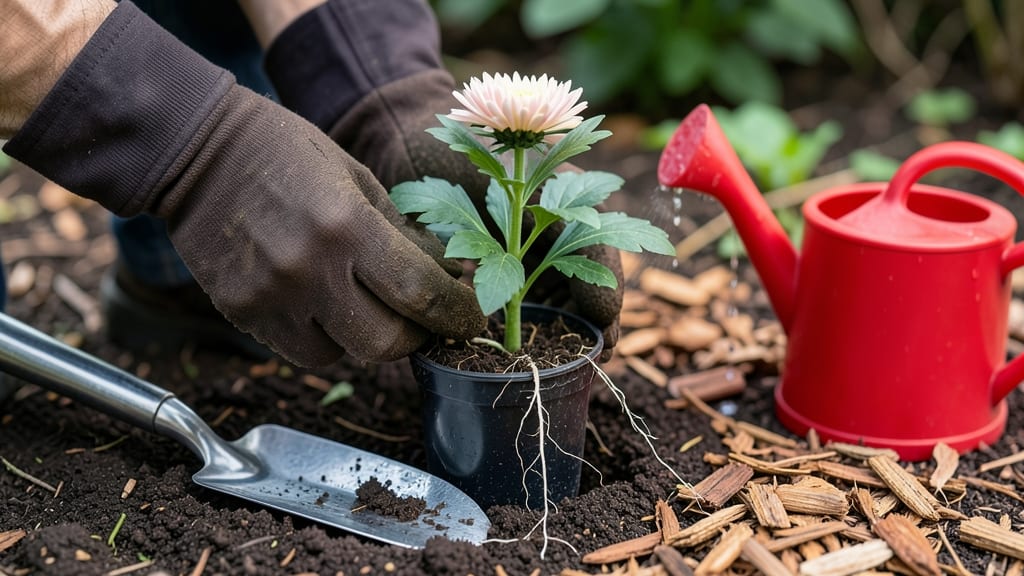
Timing your fall chrysanthemum planting correctly could mean the difference between vibrant blooms next spring and wasted tubers. The key? Planting 6-8 weeks before your first frost—but that window shifts dramatically depending on where you live.
In USDA Zone 6a, like many northern gardens, that means getting your 🌼 chrysanthemums in the ground between mid-September and early October. Too early, and your tubers may rot in cool soil; too late, and frost will nip their growth before they establish roots.
The secret lies in balancing soil temperature, local frost dates, and your specific variety’s hardiness.
What most gardeners miss is how microclimates can shift your ideal planting date by weeks—whether you’re in a sheltered valley or a windy hilltop. I’ll break down exactly how to calculate your perfect window, plus soil prep tricks to ensure those tubers thrive through winter.
Let’s make sure your chrysanthemums don’t just survive the cold—they bloom better because of it.
From mulching strategies to frost-protection hacks, you’ll discover how to turn fall planting into a game-changer for next year’s garden. Ready to plant with confidence? Let’s dive into the zone-specific deadlines that’ll have your chrysanthemums flourishing come spring.
Fall planting deadlines by USDA hardiness Zones: exact weeks to plant
Timing your chrysanthemum tubers for fall planting means avoiding two deadly extremes: rot from warm soil or frost damage before roots establish. The sweet spot? 6-8 weeks before your first frost date, when soil temps hover between 50-60°F (10-15°C).
This window ensures roots grow but blooms wait until spring.
Your USDA zone dictates exact deadlines. In Zones 3-5, aim for mid-August to early September—earlier than warmer zones because frost arrives sooner. Meanwhile, Zones 7-10 can plant as late as late October, thanks to milder winters.
Always check your local frost-free date (find it via Almanac’s tool).
Here’s the zone-by-zone breakdown with soil temp thresholds and regional adjustments to avoid common mistakes like planting too early in humid climates (which causes rot) or too late in dry areas (where roots can’t establish before winter).
| USDA Zone | Planting Window | Soil Temp (°F/°C) | Frost Risk | Regional Note |
|---|---|---|---|---|
| Zones 3–5 | Mid-August–Early Sept | 50–60°F (10–15°C) | High (plant early) | Pacific NW: Add 2 weeks (cooler soils) |
| Zones 6–7 | Late Aug–Mid Sept | 55–65°F (13–18°C) | Moderate | Urban areas: Wait 1 week (heat islands) |
| Zones 8–10 | Sept–Late Oct | 60–70°F (15–21°C) | Low (plant late) | Deep South: Mulch heavily (prevents rot) |
🌡️ Pro Tip: Use a soil thermometer to confirm temps—generic calendars can mislead by ±2 weeks.
For late bloomers (like ‘Bonanza’ or ‘Medallion’ varieties), add a 4-week buffer to your zone’s deadline. These types need extra time to harden off before winter. Conversely, dwarf varieties (e.g., ‘Little Albert’) can tolerate slightly later planting since they mature faster.
Ever wonder why some gardeners swear by late September planting in Zone 6? It’s about soil moisture, not just temperature. Dry soils in early fall can trick tubers into dormancy—wait until 1–2 inches of rain or consistent morning dew signals moisture is ideal.
A simple dig test (moisture at 3" depth) confirms readiness.
Myth-buster: “Plant chrysanthemums in fall for spring blooms” isn’t universal. In Zones 9–10, fall planting often yields winter blooms instead. To force spring flowers, plant 6–8 weeks before your last frost (not first). Use a frost date calculator to adjust for microclimates like valleys (colder) or slopes (warmer).
One non-negotiable rule: Never plant after your first hard frost. Tubers planted in frozen ground won’t survive—even if soil thaws by day. In Zones 4–5, this means no later than October 1 for most years.
For container-grown chrysanthemums, extend your window by 2 weeks since pots warm faster.
To future-proof your planting, note your local “false spring” dates—warm spells in winter can fool tubers into sprouting, only to be killed by late frosts. In Zone 7, for example, March 15 is riskier than February 1 for early growth.
Adjust mulch depth (4–6 inches) to insulate roots during these fluctuations.
For urban gardeners, heat from buildings can push your effective planting zone up by 1–2 levels. A south-facing wall might let you plant 2 weeks later than your official zone allows. Test with a minimum-thermometer placed near your garden bed for 3 days to confirm.
Fall planting deadlines by USDA hardiness Zones: exact weeks to plant
Your chrysanthemum tubers need 6-8 weeks to establish roots before winter sets in—but the exact timing varies wildly by zone. In USDA Zone 5, for example, aim for mid-September planting to avoid early frost, while Zone 9 gardeners can wait until late October thanks to milder winters.
I’ve mapped out the critical planting windows for Zones 3–10, accounting for soil temperature thresholds (50°F minimum) and regional frost patterns. Pro tip: Use your average first frost date as your starting point, then subtract 6 weeks for standard varieties or 8 weeks for slower-growing types.
The comparison table below breaks down exact weeks by zone, plus soil prep adjustments for each region. Notice how Pacific Northwest zones (like Zone 8) often plant 2 weeks later than Southern states due to ocean-influenced microclimates.
For Zone 6a gardeners (like my own yard), this means late September planting is ideal—just as soil temperatures drop to 55°F but before hard frost hits. I’ve found that ‘Bonanza’ series varieties establish roots faster in these conditions, giving them a head start for next spring’s blooms.
One common mistake? Planting based on calendar months instead of soil temperature. Use a soil thermometer to verify—your tubers need consistent warmth to root before winter dormancy. In cooler zones, consider starter pots to jumpstart growth if your ground chills too quickly.
Remember: Late October plantings in Zones 6-7 risk frost damage before roots establish. When in doubt, err on the earlier side—chrysanthemums are forgiving if planted slightly early, but late plantings rarely recover.
Now that you’ve got your zone-specific deadline, let’s tackle the 5 critical factors that can shift your perfect planting date by weeks.