
Plants
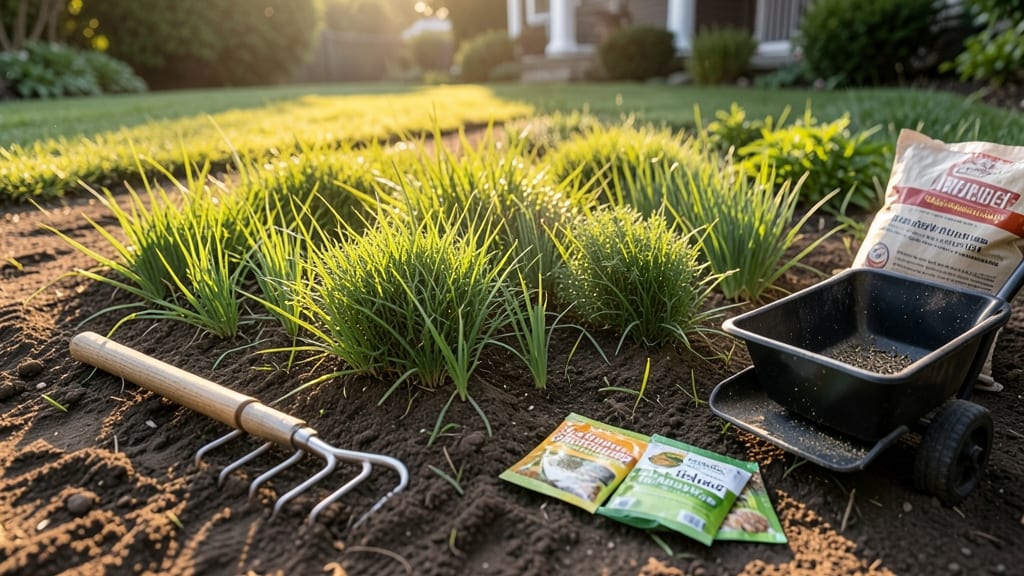
Planting your Grass Seed (Turfgrass) 🌱 at the wrong time in fall could mean weeks of waiting for a lush lawn—or giving up entirely. The best time to plant isn’t just "before winter," but a precise window that gives roots time to establish before frost sets in.
Cooler fall temperatures actually work in your favor, reducing weed competition and stress on new grass. But miss the 4-6 week mark before first frost, and you’ll struggle with weak germination or winter kill. Let’s break down the science behind the perfect timing so you can avoid costly mistakes.
Whether you’re in USDA Zone 6a or another region, the ideal window varies—and planting too early or late can backfire. I’ll show you exactly when to start, how to prep your soil, and what to watch for to guarantee a thick, green lawn by spring.
Ready to skip the guesswork? You’ll learn the 3 key signs your grass seed is thriving (or failing) and how to adjust your approach for your local climate. Let’s get started.
Optimal fall planting windows for grass seed by region and climate
Fall is the best time to plant grass seed because cooler temperatures and increased rainfall create perfect germination conditions. However, the ideal window varies dramatically by USDA zone and regional climate. Planting too early or late can leave your grass vulnerable to weeds, drought, or winter stress.
For most of the northern U.S. (Zones 3-6), aim to plant 4-6 weeks before the first frost date. This typically means mid-September to early October.
In warmer southern zones (7-10), extend your window to late August through October—just avoid planting when daytime highs exceed 85°F (29°C), which stresses seeds.
Soil temperature is the real game-changer. Grass seeds germinate best when soil stays between 60°F and 75°F (15-24°C). Use a soil thermometer to check—if temps drop below 50°F (10°C), germination slows dramatically.
Cooler nights (below 60°F/15°C) also help reduce weed competition, giving your grass a competitive edge.
Key takeaway: The sweet spot is when daytime highs are 70-80°F (21-27°C) and nights dip into the 50s°F (10-15°C). This balance ensures strong root growth before winter dormancy sets in.
Regional microclimates add another layer of complexity. For example, Pacific Northwest zones may see cooler, wetter falls, allowing planting into early November, while Midwest areas with dry falls should finish by mid-October to avoid drought stress.
Check your local cooperative extension service for hyper-local advice—they track first frost dates and soil conditions annually.
Pro tip: If you’re in a transition zone (e.g., Zone 7), split your seeding into two batches. Plant 50% in late August and the remaining 50% in mid-September. This hedges against weather risks like unexpected heatwaves or early frosts.
Don’t let myths about "earlier is always better" fool you. Planting too early (e.g., July in hot zones) risks dormancy stress or weed takeover. Similarly, waiting until November leaves seeds vulnerable to frost before germination.
The 4-6 week buffer before frost ensures your grass has 4-6 weeks of active growth to build roots.
For cool-season grasses like Kentucky bluegrass or fine fescue, aim for 60-70 days of growth before winter. Warm-season grasses (e.g., Zoysia) need 45-6
How to prepare your lawn for fall grass seed success
Fall is the perfect time to plant grass seed because cooler temperatures and increased rainfall create ideal conditions for germination. But before you spread that seed, proper lawn preparation is the secret to a thick, vibrant lawn. Skipping prep steps often leads to patchy growth or wasted seed.
Start by testing your soil pH—most grasses thrive between 6.0 and 7.0. If your soil is too acidic or alkaline, amend it with lime or sulfur 4-6 weeks before planting. This gives the soil time to adjust and ensures your seed has the right environment to sprout.
Next, remove all existing weeds and debris. Use a stiff rake or dethatching tool to clear the area completely. Weeds compete with new grass for nutrients and water, so eliminating them early gives your seed a fighting chance. For stubborn weeds, apply a pre-emergent herbicide 2-3 weeks before planting.