
Plants
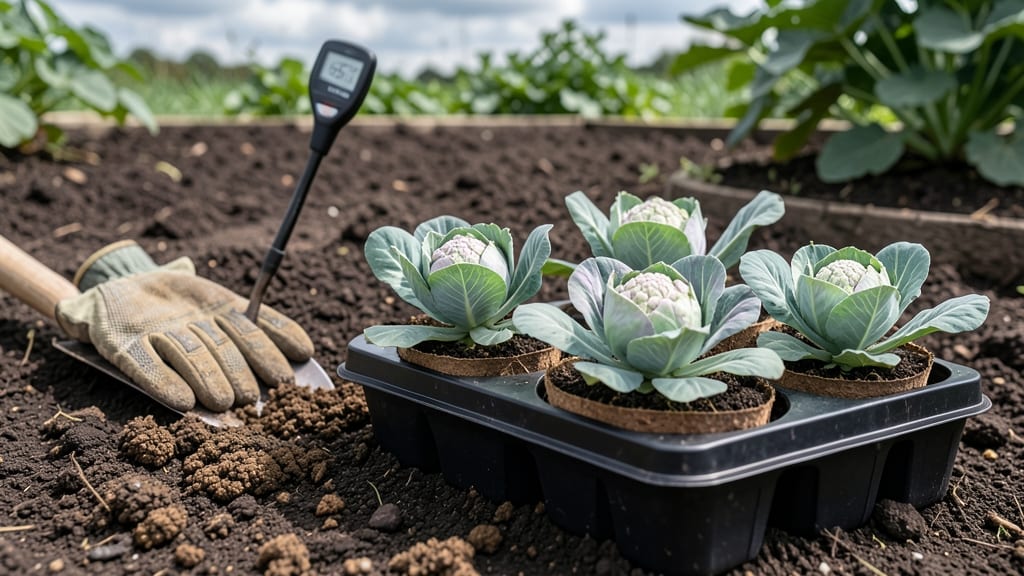
Timing your cauliflower 🥬 planting in North Carolina isn’t just about dropping seeds in the dirt—it’s the difference between a bountiful harvest and watching your plants bolt before they even form heads.
With NC’s 7a-8b climate swinging from mild winters to scorching summers, getting those planting dates right means avoiding both frost damage and heat stress.
Most gardeners in NC focus on two sweet spots: early spring (March-April) and late summer (August-September). These windows give your cauliflower the cool weather it craves while dodging the worst of summer’s heat.
But here’s the catch—your exact timing depends on whether you’re in the Coastal Plain, Piedmont, or Mountains, where frost dates can shift by weeks.
I’ll walk you through the exact planting schedule for your region, plus pro tips to keep your plants happy and productive. Whether you’re a first-time gardener or a seasoned green thumb, these strategies will help you grow cauliflower that’s firm, flavorful, and ready to harvest at the perfect moment.
Ready to master the art of cool-season planting? Let’s dive into the best ways to time your cauliflower for success—no more guesswork, just great results.
Best planting windows for cauliflower in NC’s climate zones
North Carolina’s diverse climate—from the coastal plains to the mountain regions—means planting times vary by USDA zone. Cauliflower thrives in cool weather (50–75°F) and bolts when temperatures rise above 80°F. In NC’s zones 7a–8b, timing is everything to avoid heat stress and maximize yield.
For spring plantings, aim for 4–6 weeks before your last frost date, typically between late February and early April in most regions. Fall plantings should occur 100–130 days before the first frost, usually mid-August to early September.
Coastal areas (like Wilmington) can push spring plantings slightly later due to milder winters.
Mountain zones (e.g., Asheville) may start 2–3 weeks earlier thanks to cooler nights. Always check your local frost dates—NC’s first frost can range from mid-October to mid-November, depending on elevation. Soil temperature is just as critical as air temperature; cauliflower seeds need 40–50°F soil to germinate.
Here’s a quick reference for NC’s key regions:
| Region | Spring Planting Window | Fall Planting Window | Key Notes |
|---|---|---|---|
| Coastal (Zones 8a–8b) | Late March–Early April | Mid-August–Early September | Warmer winters; extend season with shade cloth. |
| Piedmont (Zones 7b–8a) | Late February–Early April | Late July–Mid-August | Moderate climate; ideal for two harvests. |
| Mountains (Zones 6b–7a) | Early March–Mid-April | Mid-August–Late September | Cooler nights; longer growing season possible. |
In coastal NC, where winters are milder, you can even experiment with winter plantings (November–December) for a spring harvest. Use row covers to protect young plants from light frosts. For mountain regions, prioritize early spring plantings—cool nights help prevent bolting.
Always harden off seedlings for 7–10 days before transplanting to avoid shock. Acclimate them to outdoor conditions gradually, especially if starting indoors. This step is crucial in NC’s humid summers, where sudden heat can stress young plants.
Soil preparation is non-negotiable. Cauliflower prefers well-draining, slightly acidic soil (pH 6.0–6.8). Amend your garden beds with compost or aged manure 2–3 weeks before planting to ensure nutrients are available. In sandy soils (common in coastal areas), add organic matter to retain moisture.
For fall plantings, focus on heat-tolerant varieties like ‘Snowball Y Improved’ or ‘Purple of Sicily’. These hold up better in NC’s late-summer heat before temperatures drop. If you’re in a hot inland valley, consider shade cloth (30–50%) to protect seedlings during the hottest afternoon hours.
Pro tip: Succession plant every 2 weeks in spring and fall to stagger harvests. This ensures a continuous supply of fresh cauliflower and reduces the risk of losing an entire crop to pests or disease. In NC’s climate, rotating plantings also helps manage soil-borne pathogens.
🌱
Best planting windows for cauliflower in NC’s climate zones
North Carolina’s 7a-8b climate zones create distinct microclimates where cauliflower thrives in specific windows. The key is planting when soil temps sit between 40°F and 80°F—too hot or cold, and your plants will bolt or struggle.
In the Coastal Plain, you’ve got a longer growing season, while the Mountains face earlier frosts. Let’s break down the best times for each zone.
For spring planting, aim for March to early April across most of NC. This gives your plants 60-80 days of cool weather before summer heat sets in. In the Mountains (Zone 7a), you can start as early as late February if your soil warms quickly.
Coastal gardeners (Zone 8a) should wait until mid-March to avoid soggy soils from winter rains.
🌱 NC Cauliflower Planting Guide by Zone
| Zone | Spring Planting | Fall Planting | Key Consideration |
|---|---|---|---|
| 7a (Mountains) | Late Feb - Early April | Aug 1 - Sept 15 | Earlier frost dates |
| 7b (Piedmont) | Mid March - April | Aug 15 - Sept 10 | Moderate heat |
| 8a (Coastal) | Mid March - Early April | Sept 1 - Oct 1 | Longer growing season |
📅 Pro Tip: Use soil thermometers to confirm temps—cauliflower roots need 50°F+ to thrive.
Fall planting offers a second chance for harvests in October-November. Start seeds indoors 8-10 weeks before your first frost date (typically mid-August for most of NC) and transplant outdoors by early September.
In the Coastal Plain, you can push this to early October for a late fall crop, but avoid planting after September 15 in the Mountains.
One trick I’ve used is succession planting every 2 weeks in spring and fall. This stretches your harvest window and reduces the risk of losing your entire crop to heat or frost.
For example, plant a batch in March, another in April, and a final one in August—this way, you’ll have cauliflower ready to pick from May through November.
Don’t overlook soil prep—cauliflower loves rich, slightly acidic soil (pH 6.0-6.8). Work in 2-3 inches of compost before planting, and consider a mulch layer to retain moisture and regulate soil temps.
In Zone 8a, I’ve found that straw mulch helps prevent bolting during sudden heat spikes in spring.
Timing isn’t just about the calendar—it’s about reading your microclimate. Notice where frost lingers in your yard or how quickly your soil warms in spring. Adjust your planting dates by 1-2 weeks based on these observations.
With the right timing, you’ll go from seed to harvest in just 80-120 days, depending on the variety.