
Plants
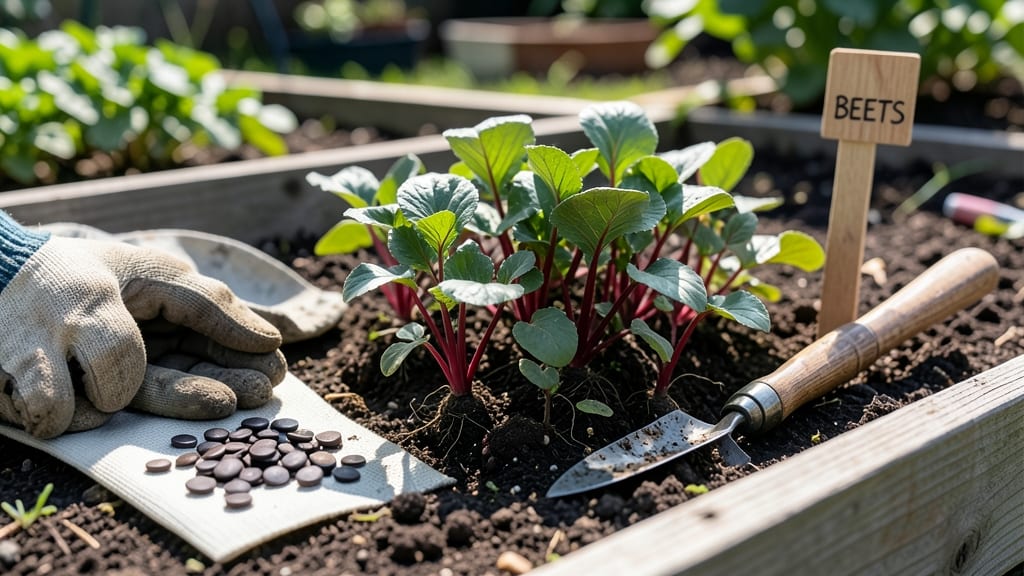
Timing is everything when it comes to growing crisp, sweet beets in Zone 5b—plant them too early, and you risk bolting; too late, and you’ll miss the harvest window. The key to success lies in knowing exactly when to get those seeds in the ground for perfect results every time.
If you’ve ever wondered why your beets turn bitter or struggle to germinate, it’s likely because you planted them outside the ideal window.
In Zone 5b, where last frost hits around mid-April, the best time to start is 4-6 weeks before that date—or in late summer for a fall crop. Let’s break down the exact timing and soil prep tricks to ensure your 🍠 beets thrive.
You’ll learn how to time your planting for both spring and fall harvests, avoid common mistakes that ruin beet crops, and adjust for early vs. late varieties.
Whether you’re a first-time gardener or a seasoned pro, these insights will help you grow beets that are tender, flavorful, and ready to harvest at the perfect moment.
Ready to transform your garden into a beet bonanza? Let’s dive into the step-by-step guide that’ll have you pulling fresh, vibrant roots straight from the soil in just 60-70 days—no guesswork required.
Best planting times for beets in Zone 5b: spring and fall guidelines
Beets are one of my favorite cool-season crops because they tolerate light frosts and thrive in moderate temperatures. In Zone 5b, timing your beet planting correctly ensures sweet, tender roots instead of woody or bitter harvests.
The key is planting when soil temperatures are 50-70°F and avoiding extreme heat.
Most gardeners in Zone 5b focus on two main planting windows: early spring and late summer/fall. Each window has unique benefits—spring planting gives you early harvests, while fall planting extends your season into cooler months. Let’s break down the exact dates and conditions for each.
| Season | Planting Window | Soil Temp | Frost Risk | Harvest Window |
|---|---|---|---|---|
| Early Spring | Mid-March to early April | 50-60°F | Low (after last frost) | June to early July |
| Late Summer/Fall | Mid-July to early August | 55-65°F | Moderate (first frost in Oct) | September to October |
🌱 Pro Tip: Use row covers for early spring plantings to protect seedlings from unexpected frosts.
For early spring plantings, I recommend starting seeds indoors 4-6 weeks before your last frost date (around April 15 in Zone 5b). This gives seedlings a head start before transplanting into well-drained soil once temperatures stabilize.
If you prefer direct sowing, wait until soil reaches 50°F—usually late March or early April.
Beets planted in late summer (mid-July to early August) benefit from cooler fall temperatures. This window avoids the intense heat of July and August, which can cause bolting (premature flowering) and bitter roots.
Aim to harvest before the first frost (around October 15 in Zone 5b) to enjoy sweet, tender beets.
One common mistake is planting beets too late in spring. If you miss the March-April window, your harvest may coincide with summer’s heat, leading to bolting or poor flavor.
Similarly, fall plantings must be timed so roots mature before frost—otherwise, they’ll develop a woody texture. Always check your last frost dates and count backward from your target harvest window.
To maximize your harvest, consider succession planting every 2-3 weeks during both spring and fall windows. This ensures a steady supply of fresh beets without overwhelming your garden at once.
For example, sow a batch in early April, another in mid-April, and one more in early May for a continuous harvest.
Another tip: Loosen soil to a depth of 6 inches before planting and mix in compost to improve drainage. Beets hate soggy soil, which can lead to rot. If your garden soil is heavy clay, consider raising beds or amending with sand or perlite to create an ideal growing environment.
Finally, don’t forget to thin seedlings to 3-4 inches apart once they’re 2 inches tall. Overcrowding leads to stunted roots and poor flavor. Use sharp scissors to avoid disturbing nearby plants, and save the thinnings for beet greens—they’re delicious in salads!
With these timing guidelines, you’ll enjoy crisp, sweet beets all season long—no bitter surprises here! 🌿
Best planting times for beets in Zone 5b: spring and fall guidelines
In Zone 5b, your beet harvests depend on precise timing—plant too early, and you risk bolting (going to seed) from cold snaps; too late, and roots won’t mature before fall frost. The ideal window spans two key periods: early spring and late summer.
For spring, aim to sow seeds 4-6 weeks before your last frost date (around mid-March to early April), while fall planting should start 8-10 weeks before the first frost (typically late July to early August).
Soil temperature is your best guide: beets germinate best when soil reaches 50°F (10°C). Use a soil thermometer to confirm readiness—cold soil delays germination and can lead to patchy seedlings.
In Zone 5b, this usually aligns with late March to early April for spring and mid-July to early August for fall. Don’t rush—waiting for the right conditions prevents poor germination and ensures strong starts.
🌱
| Planting Window | Ideal Soil Temp | Frost Considerations | Harvest Timeframe |
|---|---|---|---|
| Early Spring (March-April) | 50°F (10°C)+ | After last frost (mid-April) | June-July (60-70 days) |
| Late Summer (July-August) | 55°F (13°C)+ | Before first frost (mid-October) | September-October (60-70 days) |
For spring plantings, focus on fast-maturing varieties like 'Detroit Dark Red' (58 days) to ensure harvests before summer heat sets in. In contrast, fall plantings can accommodate slightly slower varieties like 'Chioggia' (65 days), as cooler temperatures slow growth naturally.
Always account for your specific last frost date—Zone 5b’s average is April 15, but microclimates may vary by 1-2 weeks.
Pro tip: Use row covers or cold frames for early spring plantings to extend the season and protect young seedlings from unexpected late frosts. This simple trick can add 2-3 extra weeks of growing time, giving you an earlier harvest.
Just remove covers when soil warms to 60°F (15°C) to prevent overheating.
In Zone 5b, succession planting every 2 weeks from April to July ensures a steady supply of fresh beets. Space seeds 1 inch apart in rows 12 inches apart for optimal airflow and root development.
Thin seedlings to 3-4 inches apart once they’re 2 inches tall—this reduces competition and yields larger, sweeter roots.
🌿