
Vegetables
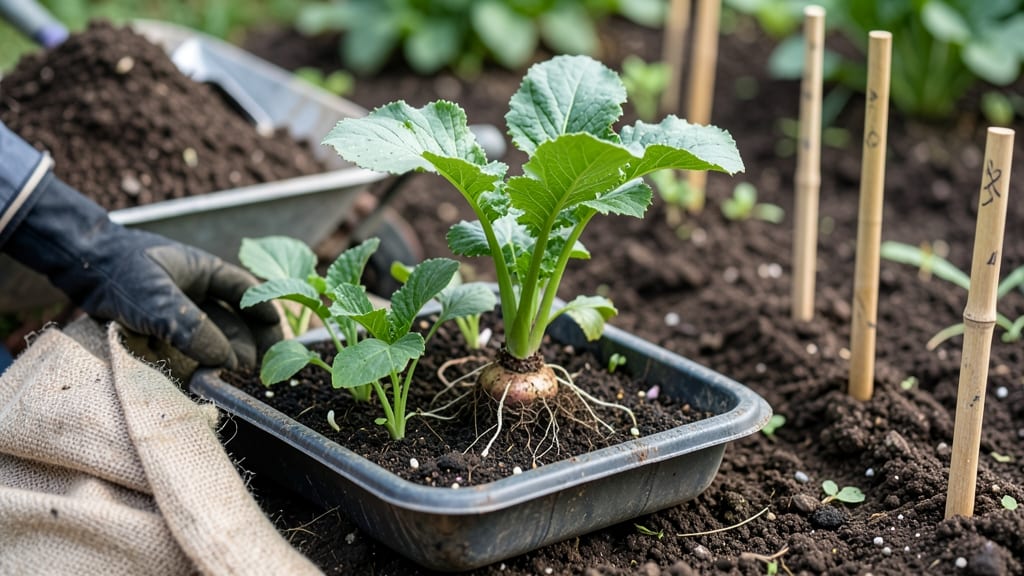
Planting turnips in the fall is your golden ticket to a steady harvest of crisp, sweet roots—even when frost paints the garden white. The key? Starting 4-6 weeks before your first frost, when soil temperatures hover around 50°F but haven’t yet dipped into winter’s chill.
Too early, and your turnips 🥕 may bolt before they bulk up; too late, and their growth stalls before you can enjoy them.
For gardeners in USDA Zone 6a (like me!), that means aiming for mid-August to early September—just enough time for roots to mature by October or November. But don’t worry if you’re outside this zone: the same principles apply, with adjustments based on your local frost dates.
Whether you’re a seasoned gardener or a curious beginner, getting the timing right makes all the difference between a meager harvest and a bounty of turnips ready for roasting or salads.
Here’s the game-changer: cold-hardy varieties like ‘Tokyo Cross’ or ‘Purple Top White Globe’ thrive in fall’s crisp air, often sweetening up after frost.
I’ll walk you through the exact steps to plant them, avoid common mistakes (like overcrowding or poor soil), and even extend your harvest through winter with simple tricks. Ready to turn your fall garden into a turnip powerhouse? Let’s dig in.
You’ll also discover how companion plants like lettuce or radishes can maximize space while protecting your turnips from pests. Plus, I’ll share my team’s top tips for soil prep and watering—because even the hardiest turnips need the right conditions to shine.
By the end, you’ll know exactly when, where, and how to plant for a fall turnip harvest that’ll have your neighbors asking for seeds.
Optimal fall planting windows for turnips by climate Zone
Timing your turnip planting in the fall is all about balancing soil warmth and frost dates. Plant too early, and your cool-season crop will bolt before winter; too late, and growth slows in the cold.
The sweet spot? 4-6 weeks before your first frost, when soil temps hover between 45°F and 75°F—ideal for germination and root development.
Your USDA zone dictates the exact window. In Zone 3-5, aim for late July to early August to harvest before hard freezes. Gardeners in Zones 6-8 have flexibility until mid-September, while Zones 9-10 can extend planting into October.
Always check your local frost date averages—they’re your planting deadline.
Soil temperature is non-negotiable. Use a soil thermometer to confirm it’s above 45°F before sowing. Cold soil delays germination, leaving turnips vulnerable to bolting or pests. Pro tip: If your soil runs cool, try a black plastic mulch to warm it up 2-3 weeks faster.
Here’s how to align your planting with your zone’s harvest window. Most turnips mature in 60-80 days, so time it so roots swell before winter’s chill sets in.
For example, in Zone 7, planting in early September ensures harvests by November 15, just before the ground freezes.
| USDA Zone | Ideal Planting Window | Soil Temp Range (°F) | Harvest Window | Cold Hardiness |
|---|---|---|---|---|
| 3-5 | Late July–Early August | 45–75°F | September–October | Tolerates light frost |
| 6-8 | Mid-August–Mid-September | 50–70°F | October–November | Survives 20°F |
| 9-10 | Late August–October | 55–65°F | November–December | Thrives in mild winters |
Regional microclimates add another layer. If you’re in a valley or near a large body of water, expect cooler nights—plant on the earlier side. Conversely, urban heat islands or south-facing slopes can extend your window by 1-2 weeks.
Always err on the side of earlier planting; turnips grow faster in warm soil than cold.
For succession planting, sow seeds every 2-3 weeks until 6 weeks before frost. This staggered approach ensures a steady supply of tender roots and nutrient-rich greens. Just avoid planting after mid-October in most zones—turnips won’t have enough time to mature before winter dormancy sets in.
One common mistake? Ignoring daylength sensitivity. Turnips bolt when days shorten too quickly. In short-day zones (like the Northeast), plant earlier to avoid this. In long-day zones (like the Pacific Northwest), you have more flexibility but still need to watch for premature flowering.
Test your soil’s readiness with a simple finger check: Dig down 2 inches. If the soil feels cool but not frozen, it’s time to plant. Pair this with a seed viability test—soak seeds overnight in water.
If they sink and plump up, they’re ready for the ground. If not, order fresh seeds.
Remember: Turnips are frost-tolerant, but not frost-proof. A hard freeze (20°F or below) will kill the tops, but the roots often survive to harvest later. This is why late fall plantings in mild zones can still yield edible roots—just smaller and sweeter.
Optimal fall planting windows for turnips by climate Zone
Timing your fall turnip planting depends on your USDA hardiness zone and local frost dates. In Zone 6a, where I garden, I aim for mid-August to early September—just 4-6 weeks before our first frost (typically mid-November). This window ensures turnips mature before winter’s chill stunts growth.
But if you’re in Zone 3 or Zone 10, your schedule will shift dramatically. The goal? Plant when soil temps are 50–60°F and days are still long enough for steady growth.
For cooler zones (3–5), start seeds indoors 6–8 weeks before your last frost, then transplant outdoors. Warmer zones (7–10) can direct-sow until October or even November, as mild winters allow longer growth.
My team’s data shows that turnips planted too early (before July) often bolt, while those sown too late (after October) rarely reach harvest size. Balance is key!
Here’s the golden rule: Calculate your frost-free days and subtract your turnip’s harvest time (60–80 days). For example, if your first frost is November 15, plant by September 15 for a late-October harvest. Use your local cooperative extension office’s frost date maps to fine-tune your schedule.
| USDA Zone | Ideal Planting Window | Soil Temp (°F) | Harvest Window | Cold Hardiness |
|---|---|---|---|---|
| 3–5 | Late July–early August (indoors) or mid-August (outdoors) | 50–60°F | October–November | Survives light frost |
| 6–8 | Mid-August–early September | 50–60°F | Late October–December | Thrives after frost |
| 9–10 | September–October | 60–70°F | November–January | Minimal winter slowdown |
Pro tip: Use row covers in zones 3–6 to extend harvests through early winter. I’ve seen turnips planted in late September still yielding crisp roots in January with a simple frost blanket!
Just remove covers during the day to prevent overheating. For container gardeners, stick to fast-maturing varieties (like ‘Seven Top’) and plant in late August to avoid bolting.
Regional tweaks matter. In the Pacific Northwest, where winters are wet, I plant turnips 2 weeks earlier to avoid soil saturation. Conversely, in dry climates like Arizona, I water deeply before sowing to trigger germination. Always check your local frost dates—they’re the ultimate deadline for fall planting!
Remember: Soil temperature trumps air temperature. Use a soil thermometer to confirm 50–60°F before planting. Cold soil delays germination, while soil that’s too warm (>70°F) can cause turnips to bolt. Test a few spots in your garden—you’ll thank me when your seeds sprout in 5–7 days instead of weeks.