
Plants
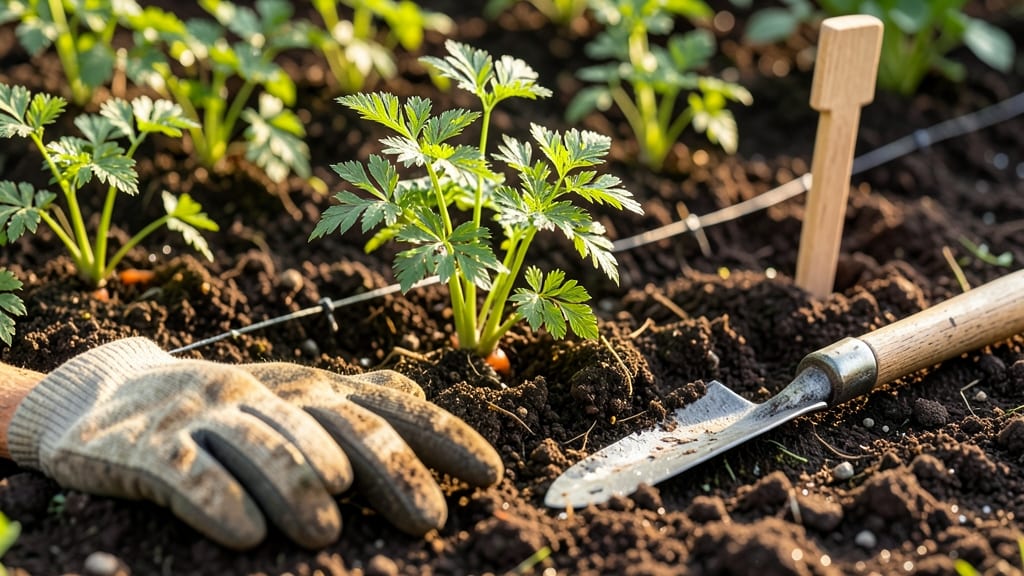
Knowing when to plant carrot seeds in Michigan makes all the difference between a bountiful harvest and struggling with bolting or stunted growth. The 🥕 you grow in your garden can turn out sweet and crisp—or tough and bitter—depending on timing, soil temperature, and frost risks.
Michigan’s USDA zones 5a-6b mean you’ve got a short window to get seeds in the ground just right. Plant too early, and frost will nip your seedlings before they sprout.
Too late, and summer heat can make your carrots woody and less flavorful. The key is understanding your local frost dates and soil conditions to maximize your growing season.
In this guide, I’ll break down the exact planting windows for spring and fall, including how to use succession planting for continuous harvests. You’ll learn how to prepare your soil, protect tender seedlings, and even extend your growing season with simple techniques. Let’s get those carrots growing the right way!
Whether you’re a first-time gardener or a seasoned green thumb, these zone-specific tips will help you avoid common mistakes and enjoy homegrown carrots from June through October. Ready to dig in?
Michigan carrot planting deadlines by USDA Zone (5-6)
Michigan’s USDA Zones 5a-6b create a unique challenge for carrot growers—cool springs, rocky soil, and unpredictable frosts demand precision. Unlike warmer climates, carrots here thrive in short, cool seasons, making timing critical to avoid bolting (premature flowering) or frost damage.
The key is planting when soil temperatures hit 50°F (10°C), ensuring seeds germinate reliably without risking early frosts.
Most of Michigan falls into Zones 5-6, with Detroit (Zone 6a), Grand Rapids (Zone 6b), and Traverse City (Zone 5b) each having slightly different last frost dates.
For example, Detroit typically sees its last frost around April 20th, while Traverse City’s average is May 5th. These dates separate early spring plantings (hardy varieties) from late spring/fall successions for continuous harvests.
🌱
| Planting Window | USDA Zone 5a (e.g., Traverse City) | USDA Zone 6a (e.g., Detroit) | Soil Temp Requirement | Frost Risk |
|---|---|---|---|---|
| Early Spring | Late April - Early May | Mid-April - Late April | 50°F (10°C) | High (use frost cloth) |
| Late Spring | May 10 - June 10 | April 25 - May 20 | 55°F (13°C) | Low (safe after last frost) |
| Fall | Late July - Early August | Late July - Mid-August | 60°F (16°C) | Moderate (harvest before first frost) |
| Soil Prep | Loosen soil to 12" deep | Remove rocks/clods | pH 6.0-6.8 | Add compost |
For Zone 5a (northern Michigan), aim for late April to early May for your first planting, using cold-hardy varieties like 'Early Nantes'. These seeds tolerate 40°F (4°C) soil temps, reducing frost risk.
In Zone 6a, you can start as early as mid-April, but always check 7-day forecasts—a late frost can wipe out seedlings in 24 hours.
Summer heat is another hurdle. Planting after June 15th risks bolting (carrots flowering prematurely), especially in southern Michigan. Instead, opt for shorter-day varieties like 'Danvers' or use shade cloth (30-50%) to extend the season. Fall plantings should begin by late July to ensure harvest before first frost (mid-October).
Pro tip: Use a soil thermometer to confirm temps—50°F (10°C) is the magic number for germination. If your soil runs cooler, wait 1-2 weeks or use a seedling heat mat for early starts. Michigan’s clay-heavy soils also benefit from sand or compost amendments to prevent forked roots.
🌿
Don’t overlook microclimates. Urban areas like Detroit may warm up faster than rural zones, while Traverse City’s lakeshore can delay spring by 1-2 weeks. When in doubt, err on the side of later plantings—carrots are forgiving if thinned properly, but frost will kill them instantly.
Plan for succession plantings every 2 weeks from April to July to ensure a steady harvest through October.
🥕
How to extend Michigan’s carrot growing season for year-round harvests
Michigan’s short growing season can feel like a race against time for carrot lovers—but with the right strategies, you can enjoy fresh, homegrown carrots from spring through fall. The key is succession planting and season extension techniques tailored to Michigan’s climate.
By staggering plantings and protecting young seedlings, you’ll avoid the pitfalls of bolting (flowering prematurely) and ensure a steady harvest.
Start by planning 3-4 planting cycles spaced 2-3 weeks apart. This approach keeps your garden producing carrots continuously, even as temperatures shift. For example, sow your first batch in early April (after the last frost), followed by mid-May, late June, and early August.
Each cycle will mature at different times, giving you a June-to-October harvest window without gaps.
🌱 Pro Tip: Use companion planting to deter pests and improve growth. Pair carrots with onions, leeks, or chives—their strong scent masks the carrot’s aroma, confusing carrot flies. Avoid planting near dill or fennel, which attract pests that love carrots.
To protect seedlings from late spring frosts (common in Michigan’s Zone 5-6), use row covers or cold frames. These low-cost solutions raise soil temperatures by 5-10°F, accelerating germination and shielding tender sprouts.
For fall plantings, opt for fast-maturing varieties like ‘Paris Market’ (50 days) or ‘Little Finger’ (60 days) to harvest before the first frost in mid-October.
💡 Season Extension Hack: Try a mini greenhouse made from a repurposed plastic bin or a hoop tunnel covered with clear plastic. These create microclimates that can push your harvest 2-3 weeks later into autumn.
Just ensure good airflow to prevent fungal diseases like Alternaria leaf spot, which thrives in damp conditions.
For overwintering carrots, choose hardy varieties like ‘Danvers’ or ‘Nantes’ and plant them in late summer (August). Mulch heavily with straw or leaves to insulate the soil and prevent freezing.
Harvest as needed through winter, or let them mature fully in spring—just be prepared to thin the mulch in early spring to avoid rot.
📋 Quick